Shrubs
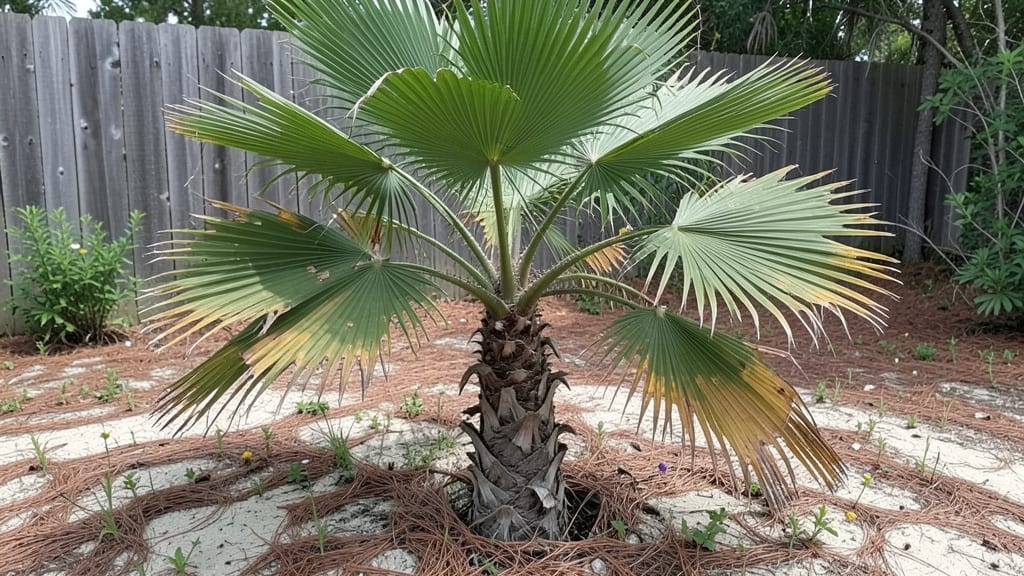
Florida's gardening zones range from 8a to 11, creating ideal conditions for tropical and subtropical plants like palm trees, hibiscus, and citrus year-round, while limiting cold-hardy varieties to northern areas. These zones dictate frost-free periods, heat tolerance, and the types of crops that thrive in each region.
Understanding Florida's gardening zones helps you select plants that will thrive without constant struggle. 🌿 The state's warm climate means most areas avoid frost entirely, but even small temperature variations between north and south Florida create distinct growing conditions.
For example, zone 9a in the panhandle can handle brief cold snaps, while zone 11 in the Keys enjoys consistently warm temperatures perfect for exotic species like bird-of-paradise or coconut palms.
What makes Florida unique is how humidity and soil types interact with these zones. The sandy soils of central Florida drain quickly, favoring drought-tolerant plants like yucca, while the richer, moisture-retentive soils of the Everglades support water-loving species such as cypress trees.
Even within a single zone, microclimates near water bodies or urban heat islands can create localized growing pockets where certain plants excel.
💡 In This Article
- How Florida’s Gardening Zones Affect Plant Survival
- Best Plants for Each Florida Gardening Zone
How Florida’s gardening zones affect plant survival
Florida’s gardening zones create a dramatic contrast in plant survival because of how temperature, humidity, and soil chemistry interact.
The state’s frost-free periods range from 200 days in zone 8a (northern panhandle) to 365 days in zone 11 (Keys), meaning tropical plants like monstera or frangipani can thrive year-round in the south but need winter protection in the north.
The key factor is how plants adapt their root systems: tropical species develop shallow, fibrous roots to absorb humidity quickly, while cold-hardy varieties grow deeper to access groundwater during dry spells.
Humidity plays a surprising role in plant selection. Southern Florida’s 80-90% humidity creates a greenhouse effect that accelerates growth but also promotes fungal diseases like powdery mildew, forcing gardeners to prioritize airflow-friendly plants (e.g., bromeliads) over dense foliage.
Northern zones like 9a-10a experience more seasonal dryness, where xeriscaping with yucca or agave becomes essential. The soil chemistry varies too: sandy soils in central Florida drain water in 24 hours, while the Everglades’ peat-based soils retain moisture for weeks, shaping which plants can survive.
Seasonal growth patterns shift dramatically between zones. In zone 10b-11, citrus trees produce fruit continuously, but in zone 9a, they need winter chill hours (300-500 hours below 45°F) to set buds.
This explains why Valencia oranges thrive in the Keys but struggle in Miami without proper care. The science here involves photoperiodism—how plants respond to daylight length—which affects flowering cycles. In southern zones, longer daylight hours trigger year-round blooms in hibiscus, while northern zones see seasonal flushes.
Microclimates add another layer of complexity. Urban areas like Miami experience heat islands where pavement raises temperatures by 5-10°F, favoring drought-resistant plants like bougainvillea. Coastal regions benefit from sea breezes, which lower humidity and reduce fungal risks for palm trees.
Meanwhile, inland areas like Orlando face more extreme temperature swings, requiring mulching to protect roots during rare cold snaps. These microclimates mean a single zone can host three distinct growing conditions within 10 miles.
Root systems adapt visibly to these conditions. Tropical plants like ginger develop rhizomes to spread horizontally, while citrus trees grow taproots to reach deep water.
The difference becomes clear when comparing avocado trees: in zone 10b, they grow 20-30 feet tall with minimal care, but in zone 9a, they may need windbreaks and winter blankets to survive.
This structural adaptation is why some plants look identical in catalogs but fail when transplanted across zones.
What most gardeners overlook is how soil pH interacts with these zones. Florida’s sandy soils often have a pH of 5.5-6.5, which suits azaleas and blueberries but stresses citrus (ideal pH: 6.0-7.5).
In zone 11, gardeners must amend soil with lime to prevent magnesium deficiency in mango trees, while zone 9a gardeners focus on drainage to avoid root rot in hibiscus. These pH adjustments can mean the difference between a thriving garden and a struggling one.
Here’s the takeaway: Florida’s zones aren’t just about temperature—they’re a puzzle of humidity, soil, and microclimates that dictate which plants will survive. Understanding these factors lets you choose species that match your local conditions, from drought-loving succulents in the panhandle to water-tolerant ferns in the Everglades.
The science behind it is what separates a guessing game from a successful garden. 🌱