Tools
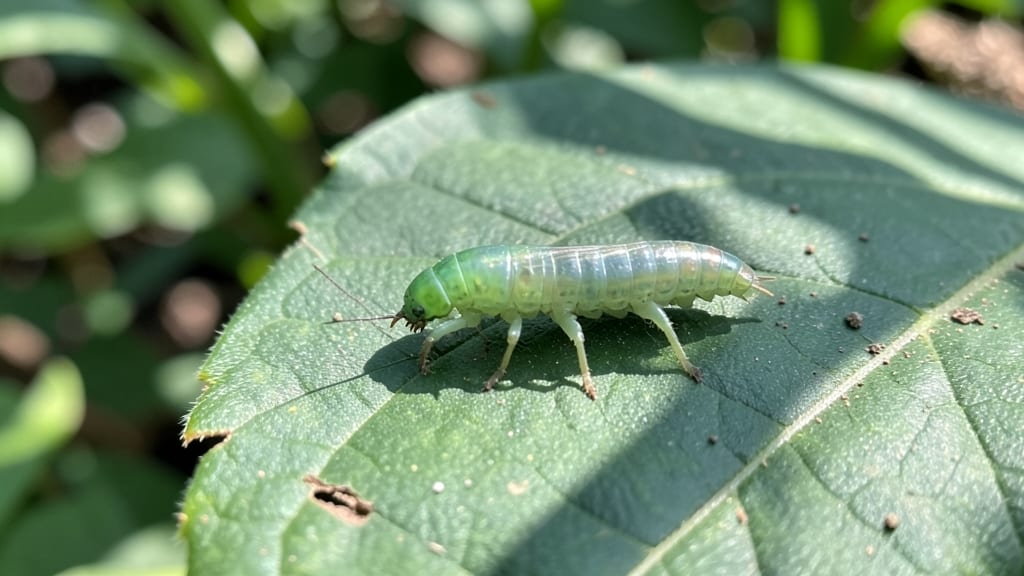
Flip through these garden bugs images to spot the good, the bad, and the downright confusing critters lurking in your plants—because not every tiny visitor is your enemy. 🌿 This guide gives you crystal-clear visuals of common garden bugs, from the sap-sucking aphids to the helpful ladybugs. that hunt them.
No more guessing what’s chewing your tomatoes or which critters deserve a snack.
Every bug here has a role, whether it’s munching leaves or protecting your garden naturally. I’ll show you exactly what to look for—color, size, and behavior—so you can spot them fast.
Aphids cluster in sticky groups, while ladybug larvae look like tiny alligators. The images make it obvious which bugs need booting and which ones you should welcome with open arms.
Once you recognize these garden visitors, you’ll know whether to call in reinforcements or leave them alone. Ladybugs and lacewings are your secret weapons against pests, while caterpillars and slugs need to be managed.
This isn’t just about identification—it’s about turning your garden into a balanced ecosystem where the good guys win.
Ready to become a bug detective? These visuals will help you make quick decisions, so you can spend less time squinting and more time enjoying your garden. And if you need help after identification, I’ll point you to the best organic remedies for each pest—no harsh chemicals required.
Common Causes Of Garden Pests
Understanding why garden pests invade your yard or garden is the first step in managing them effectively. These tiny intruders don’t just appear out of nowhere—they’re drawn by specific conditions and resources. Here’s a breakdown of the most common reasons, backed by science and practical insights.
Pests thrive in environments where plants are stressed or weakened. Overcrowding reduces airflow, creating damp, humid conditions that attract fungi-loving insects like slugs, snails, and aphids.
Excessive watering can also lead to: - Root rot (weakening plants) - Stagnant water (breeding grounds for mosquitoes and fungus gnats) - Soft, tender growth (easier for pests like caterpillars to feed on)
Actionable Fix:
- Space plants according to their mature size for better airflow.
- Water deeply but infrequently—aim for 1 inch per week (adjust for climate).
- Use mulch to retain moisture without over-saturating soil.
Healthy soil supports strong plants that naturally repel pests. When soil lacks nutrients or has imbalances (e.g., too much nitrogen), plants become vulnerable. Common culprits include:
- Aphids (attracted to soft, nitrogen-rich new growth).
- Whiteflies (thrive in nutrient-deficient, stressed plants).
- Grubs (feed on weak grass roots).
Soil Tests Reveal the Truth: Use a DIY soil test kit (or send a sample to a lab) to check for:
- pH levels (most pests prefer slightly acidic soil, pH 6.0–7.0).
- Nutrient deficiencies (add compost or organic fertilizer if needed).
- Compacted soil (aerate to improve root health).
Nature’s pest control relies on a balanced ecosystem. When beneficial insects (like ladybugs, lacewings, and parasitic wasps) are missing, pests explode.
This happens due to: - Pesticide overuse (kills both pests and their predators). - Monoculture gardening (single-crop gardens lack biodiversity). - Habitat destruction (removing wildflowers, leaf litter, or rocks).
Encourage Beneficial Bugs:
- Plant companion plants like marigolds, dill, or basil to attract predators.
- Avoid broad-spectrum pesticides—opt for neem oil or soapy water sprays instead.
- Leave some "messy" areas (like leaf piles) for overwintering predators.
Plants under stress—whether from fungal infections, viral diseases, or physical damage—emit chemical signals that attract pests. For example:
- Tomato hornworms target plants weakened by early blight.
- Japanese beetles prefer stressed roses or grapes.
- Cabbage worms attack clubroot-infected brassicas.
Preventative Measures:
- Rotate crops annually to prevent soil-borne diseases.
- Prune damaged foliage promptly to remove entry points for pests.
- Use resistant plant varieties (e.g., disease-resistant tomatoes).
Sometimes, pests hitch a ride or are accidentally introduced:
- Firewood (brings in emerald ash borers or spotted lanternflies).
- New plants or soil (can harbor grubs, nematodes, or scale insects).
- Compost piles (if too wet, they attract flies and rodents).
Break the Chain of Invasion:
- Inspect new plants for eggs, larvae, or webbing before planting.
- Store firewood at least 20 feet from your home and elevate it off the ground.
- Cover compost piles with a breathable tarp to deter pests.
Pests are highly sensitive to weather patterns.
For instance: - Drought stresses plants, making them more attractive to aphids and spider mites. - Warm winters allow overwintering pests (like boxelder bugs) to survive and multiply. - Heavy rain washes away natural predators, giving slugs and cutworms a population boom.
Adapt Your Garden:
- Mulch heavily during droughts to retain moisture.
- Use row covers in early spring to protect tender plants from frost-sensitive pests.
- Plant cold-hardy varieties to extend the growing season without stressing plants.
Overusing synthetic fertilizers or herbicides disrupts the soil microbiome, making plants more susceptible to pests.
For example: - Excess nitrogen leads to soft, sappy growth (loved by Japanese beetles). - Glyphosate residues can weaken plants, inviting root-feeding insects. - Salt buildup (from over-fertilizing) stresses plants, attracting thrips and whiteflies.
Go Organic & Balanced:
- Switch to slow-release, organic fertilizers (like fish emulsion or compost tea).
- Test soil before fertilizing to avoid overapplication.
- Use pre-emergent herbicides sparingly—they can harm beneficial soil organisms.
Most garden pest problems stem from stress, imbalance, or disrupted ecosystems.
By addressing soil health, plant spacing, natural predators, and seasonal care, you can create a garden that’s far less appealing to unwanted visitors. 🚫🐜 The goal isn’t just to see bugs—it’s to understand their triggers and outsmart them before they become a problem.
Simple Fixes for Common Garden Bugs
Dealing with unwanted critters in your garden doesn’t have to be a battle—just a few targeted strategies can keep your plants thriving. Below, we’ve mapped out practical solutions for the most common garden pests, from chewers to sap-suckers, along with prevention tips to stop them before they start.
Think of this as your garden’s first-aid kit, but way more eco-friendly!
Problem: These guys munch through leaves, stems, and roots, leaving jagged holes or wilting plants. Fix It:
- 🔥 Handpick & Remove: Early morning is prime time—caterpillars are sluggish. Drop them into soapy water (💡 Pro tip: Use a flashlight at night to spot them).
- 🍳 Natural Sprays: Mix 1 tsp neem oil + 1 tsp dish soap + 1 quart water in a spray bottle. Reapply every 5–7 days.
- 👨🍳 Barrier Methods: Surround vulnerable plants with diatomaceous earth (food-grade only) or copper tape (for slugs/grubs).
- 🌱 Prevent Future Damage: Plant basil, marigolds, or nasturtiums nearby—they repel chewers naturally.
Problem: Tiny but mighty, these pests drain plant juices, causing yellowing leaves, sticky residue ("honeydew"), and sooty mold. Fix It:
- 💦 Blast Them Away: Use a strong stream of water from a hose to knock them off leaves (do this in the morning).
- 🌿 Introduce Beneficial Bugs: Ladybugs, lacewings, and parasitic wasps love eating aphids. Buy them online or attract them with dill or fennel plants.
- 🔪 Soap & Oil Combo: Spray with 1 tbsp castile soap + 1 tbsp vegetable oil + 1 quart water. Shake well before use!
- 🎯 Prevent Sticky Situations: Keep gardens weed-free (weeds = pest hotels) and prune regularly to improve airflow.
Problem: Slugs leave silvery trails and holes in leaves, while fungus gnats lay eggs in damp soil, leading to root rot. Fix It:
- 🥘 Slug/Snail Traps:
- Beer trap: Bury a shallow dish filled with beer near plants. Slugs crawl in and drown (💡 Works best at night).
- Copper barrier: Slugs hate the electric shock from copper tape—wrap it around pots or raised beds.
- 🌡️ Fungus Gnat Control:
- Yellow sticky traps (available at garden centers) catch adult gnats.
- Dry soil fix: Let the top inch of soil dry out between waterings—gnats need moisture to breed.
- ✨ Prevent Slime & Grubs: Sprinkle crushed eggshells or coffee grounds around plants (slugs avoid the sharp edges).
Problem: These pests tunnel into stems or roots, causing sudden wilting or stunted growth. Fix It:
- 🔪 Cut & Destroy: If you spot a tomato hornworm (they’re huge and green!), squish it or drop it in soapy water. Check plants daily at dusk.
- 🌱 Collar Protection: For seedlings, wrap the stem with cardboard collars (cut from a toilet paper roll) to block cutworms.
- 🌡️ Soil Steaming (Severe Cases): For wireworms, steam the soil in early spring (use a propane soil steamer) to kill larvae before planting.
- 🎯 Prevent Tunnel Vision: Rotate crops yearly and remove plant debris in fall (borers overwinter in old stems).
No matter the bug, cleanliness is your best defense. Follow these year-round tips to keep pests at bay: - 🧹 Weekly Weeding: Weeds = pest hiding spots.
Pull them before they seed. - 🍂 Mulch Smartly: Use straw or wood chips (not thick layers)—thick mulch traps moisture and attracts fungus gnats. - 🌱 Companion Planting: Pair vulnerable plants with repellent companions: - Tomatoes + basil - Carrots + rosemary - Roses + garlic or chives - 🔄 Crop Rotation: Switch plant families yearly to starve soil-borne pests.
Remember: Most garden bugs are harmless or even helpful—focus on the real troublemakers (the ones causing visible damage). With these fixes, your garden will stay lush, and your pest problems will be history! 🌱🚫🐛
Frequently asked questions
What’s the best way to tell if a garden bug is harmful or helpful?
Look for physical damage first—chewed leaves, holes, or wilting plants mean it’s likely a pest. Beneficial bugs like ladybugs and lacewings have distinct markings (spots, lacy wings) and don’t harm plants. Use our visual guide to match colors, sizes, and behaviors (e.g., aphids cluster in sticky groups, while predatory bugs hunt actively).
Can I use these images to identify bugs in my region?
Yes! The images include common garden bugs found across North America, but regional variations exist. For precise ID, check local extension office guides or apps like iNaturalist. If you’re unsure, snap a photo and compare it side-by-side with our gallery—most pests match at least one image closely.
How do I print or save these garden bug images for offline use?
Right-click any image and select “Save Image As” to download it. For printing, use a high-resolution setting (300 DPI) to keep details sharp. Pro tip: Group related bugs (e.g., aphids + ladybugs) on one page for easy reference while gardening.
What should I do if I find a bug not in your gallery?
Start by noting its color, size, and damage type (e.g., “black beetle, ½-inch, skeletonizing leaves”). Search online with these details + your location. If it’s invasive (e.g., spotted lanternfly), report it to your state’s agricultural department—they track new pests.
Are there any bugs I should welcome into my garden?
Prioritize ladybugs, lacewings, parasitic wasps, and ground beetles—they devour pests like aphids and caterpillars. Plant dill, fennel, or marigolds to attract them. Even “scary” bugs like praying mantises eat harmful insects (just avoid spraying them with pesticides!).