
Tools
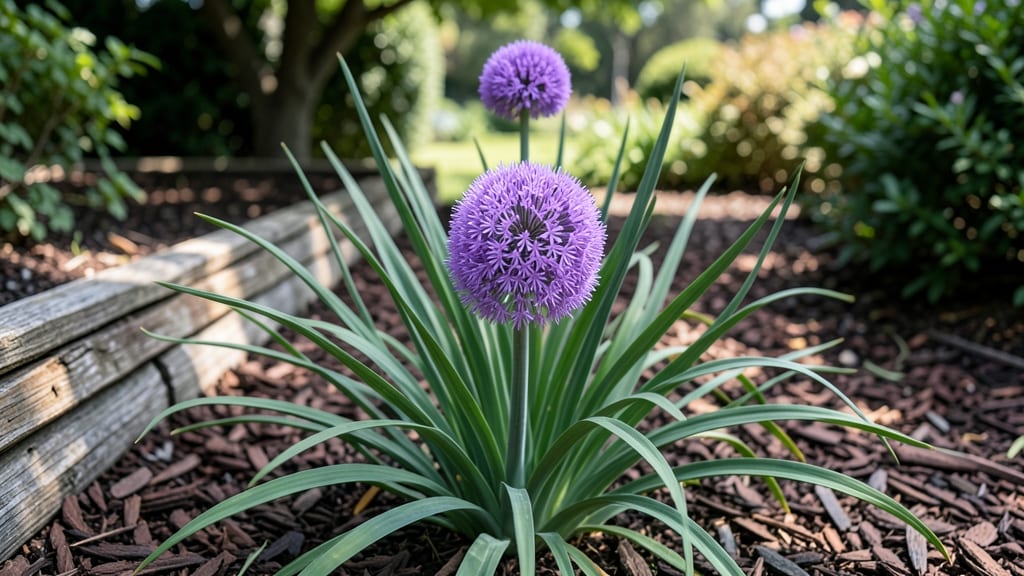
Designing the perfect garden bed width is the foundation of a thriving garden—because a bed that’s too narrow wastes space, while one that’s too wide turns weeding into a backbreaking chore.
Picture this: you’re knee-deep in mulch, reaching for the center of a 4-foot-wide bed, only to realize you’ve been standing in one spot for 10 minutes just to tend to your plants.
That’s not gardening—that’s a workout. The right width makes everything easier: reaching every plant without stepping on the soil, spacing crops just right, and even keeping weeds from staging a takeover.
Science says 3 to 4 feet is the sweet spot for most gardeners in Zone 6, whether you’re building raised beds or digging in-ground plots. Too narrow, and you’re left with awkward edges and wasted space.
Too wide, and your back (or your wallet for raised beds) will pay the price. Let’s break down the ideal dimensions, the tools to measure them, and how to avoid the most common mistakes that turn your garden into a maintenance nightmare.
By the end, you’ll know exactly how wide to build your beds, how to space your plants for maximum yield, and why mulch and paths are just as important as the width itself. Ready to design a garden that actually works for you?
Optimal garden bed widths for easy access and plant health
When designing your garden beds, the width you choose isn’t just about aesthetics—it directly impacts your plant health, weed control, and even your ability to reach every corner without stepping on the soil.
Research shows that garden beds with a width of 3 to 4 feet strike the perfect balance between accessibility and plant vitality. This range allows you to reach the center from both sides without trampling plants or compacting soil.
For raised beds, the ideal width is typically 3 to 4 feet, as this prevents soil compaction from walking on the bed itself.
In-ground beds can also benefit from this width, but wider options (up to 5 feet) are sometimes used for larger crops like corn or pumpkins. However, even wider beds risk poor maintenance and uneven watering.
Let’s explore how bed width affects soil quality, plant spacing, and weed suppression, with a comparison of raised vs. in-ground beds to help you decide what works best for your garden layout.
🌱
<comparison-table>One of the biggest advantages of a 3 to 4 foot width is the ability to access plants from both sides without stepping on the soil. This reduces soil compaction, which is critical for root health.
In raised beds, this width also makes it easier to manage mulch and weeds because you can reach every plant without disturbing the bed’s structure. For in-ground beds, this width still allows for easy maintenance while minimizing the need to walk on the soil.
If you’re growing large crops like corn or squash, you might consider a slightly wider bed (up to 5 feet), but even then, it’s best to divide the bed into sections with pathways.
This way, you can still maintain accessibility and prevent soil compaction. For most vegetables and herbs, however, sticking to the 3 to 4 foot range ensures optimal growth and easier care.
Another key factor is how bed width affects plant spacing. In narrower beds, you can space plants more closely, which is ideal for companion planting and maximizing yield.
For example, lettuce or radishes can be planted just 4 inches apart in a 3-foot bed, while tomatoes or peppers need at least 18 inches of space. Wider beds may require more spacing, leading to wasted space and reduced productivity.
For weed control, narrower beds are easier to manage because mulch can be applied uniformly, and weeds are less likely to spread uncontrollably. In wider beds, weeds can quickly take over the center if not monitored closely. This is why many gardeners prefer raised
How garden bed width affects plant spacing and yield
The width of your garden bed isn’t just about fitting more plants—it directly influences how far apart you space them, how easily you can tend to them, and even your harvest yield. A bed that’s too wide makes weeding and harvesting difficult, while one that’s too narrow wastes space.
The key is finding the sweet spot between accessibility and plant density for your specific crops.
For most vegetables and herbs, a 3–4 foot width is ideal because it allows you to reach the center from both sides without stepping on the soil. This prevents compaction and makes maintenance easier.
But when it comes to plant spacing, narrower beds often mean tighter spacing between plants, which can boost yields in small spaces—but only if you plan carefully.
Here’s how bed width impacts spacing for common crops, along with a quick reference chart to guide your layout:
| Crop Type | Spacing in Narrow Beds (2–3 ft wide) | Spacing in Wide Beds (4+ ft wide) | Yield Impact |
|---|---|---|---|
| Leafy Greens (Lettuce, Spinach) | 6–8 inches apart | 8–12 inches apart | Higher density in narrow beds |
| Tomatoes (Bush Varieties) | 12–18 inches apart | 18–24 inches apart | More airflow in wider beds |
| Carrots | 2–3 inches apart | 3–4 inches apart | Narrow beds reduce crowding |
| Peppers (Bell or Chili) | 12–15 inches apart | 18–24 inches apart | Wider spacing = fewer pests |
| Herbs (Basil, Parsley) | 6–9 inches apart | 9–12 inches apart | Narrow beds maximize small-space yields |
Notice how narrower beds (2–3 feet) force you to space plants closer together, which is perfect for high-density crops like leafy greens or herbs. But for larger plants like tomatoes or peppers, wider beds let you give them more room to thrive without overcrowding.
This balance is why 3–4 foot beds are the gold standard—they let you adjust spacing based on the crop while keeping maintenance manageable.
Another trick I use is interplanting fast-growing crops in narrow beds to maximize space. For example, plant radishes between rows of carrots—the radishes mature quickly, allowing you to harvest them before the carrots need more room. This technique works especially well in small urban gardens where space is limited.
If you’re working with raised beds, remember that their height gives you more flexibility with width. A 4-foot-wide raised bed is still easy to reach into from the sides, but you can fit more plants vertically with trellises or cages.
Just avoid going wider than 4 feet—otherwise, you’ll spend more time stepping on the soil than tending to your plants!
Experiment with your bed widths this season, and don’t be afraid to adjust spacing based on how your plants perform. The right balance between bed width and plant spacing can double your yield without doubling your work. Happy planting!