Tools
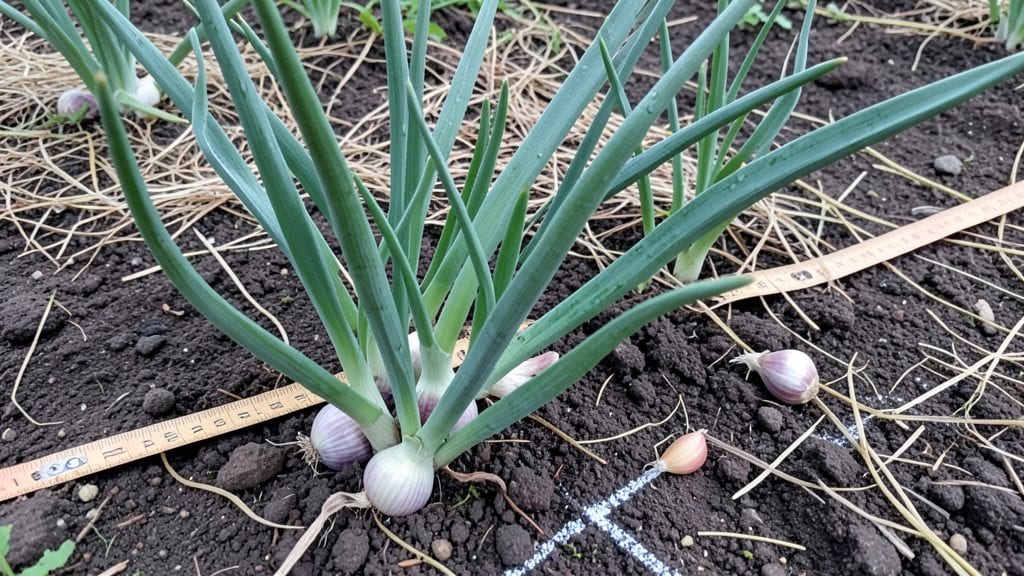
Determining garden bed measurements starts with plant type: vegetables need 12–24 inches of width for easy access, herbs do best in 6–12-inch spaces, and flowers require 18–36 inches for proper airflow. Bed length should align with your harvest goals, with 4-foot widths ideal for standard gardening tools. Raised beds need 2–3 feet of depth to support root growth and improve drainage.
Planting the right way means your garden beds match what each plant actually needs—not just what looks good. 🌱 For example, leafy greens like lettuce can handle tighter spacing, while sprawling tomatoes need that extra room to avoid disease.
The depth of raised beds also matters: deeper soil means better moisture control and fewer weeds, which is why many gardeners opt for 2–3 feet. If you're working with limited space, consider vertical gardening or tiered beds to maximize yield without sacrificing plant health.
Another key factor is how your bed dimensions interact with your tools. A 4-foot width lets you reach the center easily with a hoe or rake, while narrower beds force you to step on soil—compressing it and making it harder for roots to breathe.
For slopes or uneven ground, raised beds with adjustable heights can work wonders, giving you a level planting surface while preventing erosion.
💡 In This Article
- How Plant Biology Dictates Garden Bed Dimensions
- Practical Garden Bed Size Planning for Space and Tools
How plant biology dictates garden bed dimensions
Plant biology reveals why spacing matters so much—it's all about how roots compete for nutrients and water. Vegetables like tomatoes develop sprawling root systems that need 18–24 inches of width to avoid crowding, while shallow-rooted herbs such as basil thrive in just 6–12 inches.
The key factor is root zone competition: when plants are too close, their roots tangle, starving each other for moisture and minerals. This is why leafy greens can handle tighter spacing—their roots stay compact, but vining plants like cucumbers need room to spread their extensive networks.
Sunlight exposure plays a critical role too. Tall plants like sunflowers cast shadows that can smother shorter companions, which is why flowers often need 18–36 inches of spacing for proper airflow and light penetration.
The science here involves photosynthesis efficiency: when leaves overlap too much, the lower ones get shaded and produce less energy. For example, marigolds need 12 inches of space to prevent fungal diseases from thriving in damp, crowded foliage.
Even herbs like rosemary, which love full sun, benefit from 18 inches of clearance to prevent overcrowding that leads to woody stems.
Bed depth creates another biological advantage: deeper soil (especially in raised beds) maintains more stable temperatures and moisture levels. Roots like carrots, which can grow 12–16 inches deep, need loose, aerated soil to develop properly.
In-ground beds typically offer unlimited depth, but raised beds with 2–3 feet of fill replicate this natural depth while improving drainage. The difference? Raised beds warm up 2–3 weeks earlier in spring because they're insulated by the surrounding air, giving plants a head start.
This temperature advantage is why gardeners in cooler climates swear by raised beds for heat-loving crops like peppers.
Airflow is the unsung hero of plant health—it prevents fungal diseases by reducing humidity around leaves. Flowers like zinnias need 18–24 inches of spacing to allow air circulation, which cuts down on powdery mildew. The mechanism here is simple: stagnant air traps moisture, creating the perfect conditions for pathogens.
Even vegetables like broccoli, which have dense foliage, benefit from 12–18 inches of space to prevent rot. This is why trellising vining plants (like beans) not only saves space but also improves airflow at the base.
Comparing in-ground vs. raised beds highlights how soil structure affects plant biology. In-ground beds benefit from natural soil microbes that break down organic matter, but they can compact over time, restricting root growth.
Raised beds, on the other hand, allow you to control soil composition—mixing in compost or sand for perfect drainage. The trade-off? Raised beds require more initial effort to build but pay off with 30% higher yields for root crops like potatoes due to better moisture control.
For urban gardeners, raised beds also solve the problem of poor native soil while creating accessible planting spaces.
What most people don't realize is how bed dimensions affect pollination. Wider beds (like 36-inch flower borders) attract more bees and butterflies because they provide landing platforms for insects. Narrow beds force pollinators to fly over the plants rather than land, reducing their effectiveness.
This is why permaculture designs often use 4-foot-wide swales—wide enough for pollinators but narrow enough for easy maintenance. The biology here is about creating an ecosystem where every element supports the next.