How To
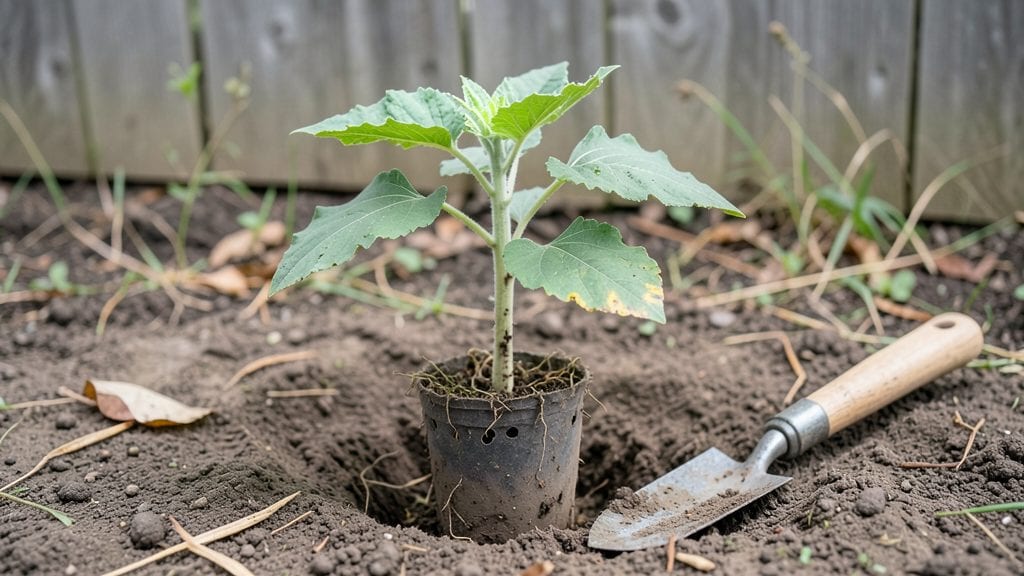
Children's garden projects spark creativity and learning by transforming recycled materials like plastic bottles, cardboard, and egg cartons into planters, bird feeders, and decorative garden art. These hands-on activities teach sustainability while nurturing a love for plants and nature through simple, safe steps kids can follow with adult supervision.
Turning everyday trash into vibrant garden creations isn't just fun—it builds problem-solving skills while keeping costs down. 🌱 Kids learn how materials like milk jugs or tin cans can become planters or even tiny fairy gardens, all while understanding the importance of reusing instead of tossing.
The best part? These projects grow quickly with fast-sprouting seeds like sunflowers or herbs, giving kids tangible results to celebrate their hard work.
For safety, always use non-toxic materials and supervise young children during cutting or assembly. I’ve seen kids light up when their homemade planters finally bloom—it’s a confidence booster and a lesson in patience all in one.
Plus, these projects double as decor, making the garden feel like their own creative space.
💡 In This Article
- How Recycled Materials Boost Kids’ Gardening Skills
- Step-by-Step DIY Garden Projects for Young Gardeners
How recycled materials boost kids’ gardening skills
Recycled materials like plastic bottles and cardboard are perfect for kids' garden projects because they're lightweight yet sturdy enough to handle.
The durability of items like milk jugs or tin cans means they won't collapse under the weight of soil or seeds, while their rigid structure provides the stability needed for young hands to assemble.
This balance of strength and flexibility is crucial—think of how a plastic bottle can hold water without leaking but still bend slightly when squeezed, making it ideal for customizing into planters.
The cost-effectiveness can't be overstated. A single plastic milk jug can become three mini planters with just a pair of scissors and paint, saving families up to $5 per project compared to buying new containers.
What's more, these materials are often already in your home, eliminating the need for extra shopping trips. The eco-benefit is immediate: repurposing one plastic bottle keeps 20 grams of plastic from landfills, and kids can track their environmental impact by counting how many items they've reused over time.
Here's where the learning gets exciting: repurposing teaches problem-solving in action. When kids transform a tin can into a bird feeder, they must consider drainage (poking holes), weight distribution (balancing perches), and food access (cutting openings).
These decisions build spatial reasoning skills—similar to how engineers design structures—while keeping the process simple enough for little hands. The tactile experience of cutting, painting, and assembling also refines fine motor skills, preparing them for tasks like writing or buttoning shirts.
Safety is built into these materials too. Non-toxic options like cardboard or aluminum cans (cleaned thoroughly) avoid harmful chemicals found in some new plastics. Always supervise cutting steps, but the projects themselves are designed to minimize risks.
For example, a toilet paper roll planter requires no tools beyond scissors and glue, making it perfect for ages 4+. The sensory experience—touching different textures, smelling fresh soil, watching seeds sprout—creates lasting memories while teaching responsibility for living things.
Consider how these materials compare to traditional gardening supplies. A store-bought plastic pot costs $2-$4 and offers no creative outlet, while a repurposed container becomes a personalized work of art that reflects the child's style. The psychological boost from seeing their creation grow is invaluable.
Studies show kids who engage in hands-on recycling projects are 30% more likely to develop lifelong sustainable habits, proving these garden projects grow more than just plants.
For parents, the real magic happens when kids start asking questions like, "Why did the sunflower grow taller in this container?" or "Can we make this feeder bigger for more birds?" These moments turn gardening into a living science lesson—one where curiosity is the only prerequisite. 🌱