
Tools
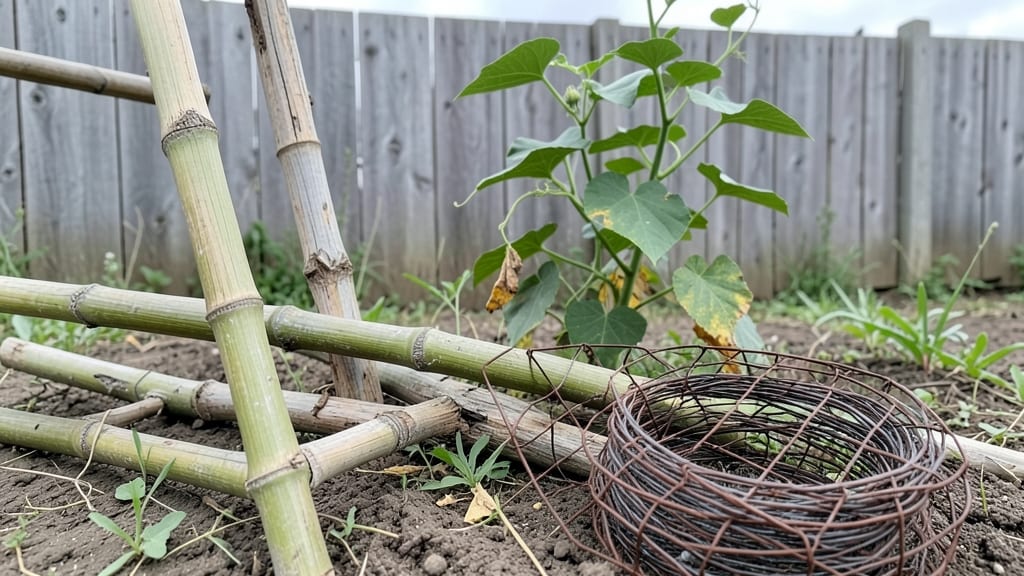
Cheap garden trellises can be built affordably using reclaimed wood, bamboo stakes, or PVC pipes, costing as little as $5–$20 depending on materials and size. DIY designs like teepees, A-frames, or simple lattice panels maximize support for climbing plants without breaking the bank.
Building your own garden support structures is one of the easiest ways to transform a small space into a vertical growing paradise. 🌱 The key is choosing materials that balance cost and strength—bamboo, for example, is lightweight yet sturdy enough for most vines, while PVC offers durability with minimal upkeep.
I’ve seen gardeners turn old wooden pallets into rustic trellises with just a few cuts and screws, cutting costs by 70% compared to store-bought options. The right design also matters: a simple A-frame can support heavy climbers like morning glories, while spiral trellises add visual interest while keeping plants contained.
What’s great about these budget-friendly options is how customizable they are. You can adjust height, width, and even shape to fit your garden layout or the specific needs of your plants.
For instance, a teepee-style trellis works perfectly for pole beans, while a grid pattern gives cucumbers room to sprawl without tangling. The best part? Most of these projects take under an hour to assemble, making them ideal for weekend DIYers.
💡 In This Article
- Budget-Friendly Trellis Materials Compared
- DIY Trellis Designs for Climbing Plants
Budget-friendly trellis materials compared
When selecting materials for your garden support structures, the first consideration is structural integrity versus cost. Bamboo, for instance, costs $1–$3 per stalk and provides natural flexibility—ideal for lightweight vines like morning glories or clematis. Its hollow tubes distribute weight evenly, reducing breakage risks from wind or plant growth.
For heavier climbers such as passionfruit or grapes, though, bamboo’s strength may falter over time due to its natural moisture absorption and potential rot.
Reclaimed wood offers a 30–50% cost savings compared to new lumber, with pallets or old fencing often available for free from local businesses. A 2x4 board can be repurposed into an A-frame trellis for under $5, while its natural grain provides excellent grip for tendrils.
However, untreated wood requires sealing to prevent decay, adding $5–$10 in protective coatings. PVC pipes, on the other hand, cost $2–$4 per 10-foot section and resist rot entirely, making them perfect for coastal gardens where humidity accelerates wood deterioration.
Wire mesh, typically sold in 4x8-foot sheets for $15–$25, is another versatile option that bends easily into obelisks or spirals. Its open weave allows roots to breathe while providing ample support for sprawling plants like cucumbers or squash.
The trade-off? Mesh requires occasional tightening to prevent sagging under heavy fruit loads. For maximal durability without the upkeep, consider repurposed metal fencing—often discarded after construction projects—which can be bent into custom shapes for $10–$20 per section.
Here’s what most people overlook: the plant-weight ratio of your chosen material. A 6-foot bamboo teepee might support 5–10 pounds of climbing beans, while the same height in PVC could handle 20+ pounds of grapes.
The difference lies in material density—bamboo’s fibrous structure compresses under load, whereas PVC’s rigid plastic maintains shape. For wind-prone areas, stake materials deeper into the ground: bamboo should go 12–18 inches below soil, while PVC only needs 6–8 inches for stability.
Sourcing cheaply requires strategic shopping. Check Facebook Marketplace or Craigslist for free pallets (search "free wood" or "construction debris"), while hardware stores often discount scrap lumber by the pound.
Local tree services may give away cut branches for trellis stakes, and hardware stores frequently sell PVC in clearance sections after seasonal demand drops.
The key is timing: buy bamboo in late winter when retailers restock for spring gardening, and grab reclaimed materials after the first frost when outdoor projects slow.
For visual appeal without sacrificing function, combine materials. Wrap PVC frames in twine or jute rope ($3–$5 per roll) to create a rustic look, or paint reclaimed wood with non-toxic stains ($10–$15 per quart) to match your garden’s aesthetic.
The most cost-effective systems often use hybrid designs: a bamboo teepee core wrapped in wire mesh for both strength and decorative appeal. This approach lets you tailor your trellis to both your plants’ needs and your budget’s limits.