
Tools
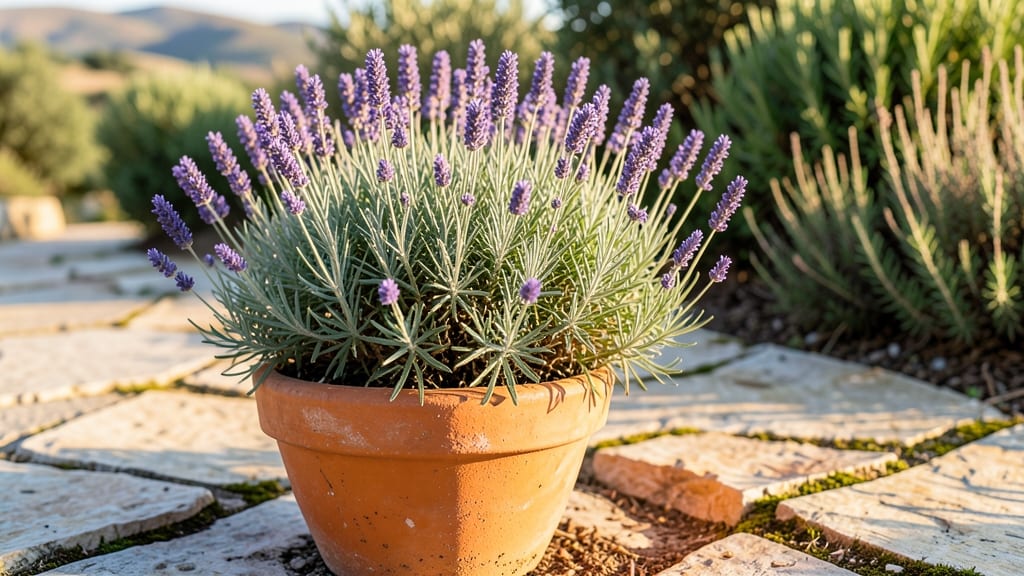
A Mediterranean style garden isn't just about plants—it's about creating a sun-drenched escape where every scent tells a story. 🌿 I fell in love with this style after visiting a hillside garden in Provence where lavender and rosemary grew wild against stone walls, their fragrance lingering long after the walk.
The real magic happens when you combine drought-tolerant plants with rustic materials that age beautifully under the sun.
You'll need a mix of sun-loving perennials like lavender, olive trees, and bougainvillea alongside terracotta pots, weathered stone, and gravel pathways that reflect the region's natural beauty.
The color palette stays earthy—think sandy beiges, deep blues, and muted greens—while the layout often includes tiered planting beds and small water features like shallow fountains. Even in hot climates, these gardens thrive with minimal water once established.
What you end up with is a garden that feels like a vacation every time you walk through it. The air hums with the scent of herbs, the textures of rough stone and smooth pottery create visual interest, and the layout invites you to linger.
My own Mediterranean corner now produces harvests of rosemary and thyme while requiring almost no extra watering after the first season. The key is balancing structure with natural growth—let plants spill over edges and embrace the imperfect charm.
This style works beautifully in USDA Zones 7-10, though you can adapt it for cooler climates by choosing cold-hardy varieties like dwarf olive trees or lavender. The Mediterranean aesthetic travels well—whether you're working with a small courtyard or a sprawling backyard. Let's bring that sun-kissed charm to your space!
📚 In This Guide
- What you need
- Instructions
- Tips and common mistakes
- Wrapping up and next steps
What you need
- ● Plants: Lavender (10-20 plants, Lavandula angustifolia or Lavandula dentata)
- ● Rosemary (5-10 bushes, Rosmarinus officinalis)
- ● Olive trees (1-3, Olea europaea, dwarf varieties for small gardens)
- ● Herbs: Thyme, oregano, and sage (3-5 plants each)
- ● Perennials: Salvia, catmint, and yarrow (5-10 plants each)
- ● Grapes or grapevines (1-2, Vitis vinifera, for trellises)
- ● Citrus trees (1-2, Citrus aurantium or Citrus limon, if climate permits)
- ● Hardscaping: Terracotta pots (5-10, varying sizes: 6", 10", 12")
- ● Stone pathways (cobblestones, flagstone, or gravel, ~50 sq. ft. coverage)
- ● Wooden trellises (2-4, 6-8 ft. tall, for climbing plants)
- ○ Permeable paving (optional, for walkways, ~20 sq. ft.)
- ● Decor: Wrought iron or wooden benches (1-2)
- ● Outdoor rugs (1-2, weather-resistant)
- ● Mosaic tiles or painted stones (for accents)
- ○ Wind chimes or hanging lanterns (optional, for ambiance)
- ● Gardening gloves (1 pair, heavy-duty)
- ● Pruning shears (1, sharp and durable)
- ● Trowel (1, for planting)
- ● Garden fork (1, for aerating soil)
- ● Wheelbarrow (1, for hauling materials)
- ○ Watering can (1, with a rose attachment) or drip irrigation kit (optional)
- ● Level (1, for even pathways)
- ● Measuring tape (1, 25 ft.)
- ● Safety gear: Kneepads, dust mask (if handling gravel)
- ● Sunlight: Full sun exposure (6+ hours daily) for most Mediterranean plants.
- ● Soil: Well-draining, slightly alkaline soil (pH 6.0-8.0). Amend clay soil with sand or gravel.
- ● Climate: Warm, dry summers and mild winters (zones 7-10 ideal; adapt for cooler climates with cold-hardy varieties).
- ● Water Access: Drip irrigation or a hose with a timer (Mediterranean gardens thrive on moderate watering, not soggy soil!).
- ● Space: Minimum 10x10 ft. for a starter garden; expand as desired.
Step-by-Step instructions for designing a Mediterranean style garden
Let's create a sun-drenched retreat that thrives on drought-tolerant charm and fragrant perennials.
🪴 Step 1: Define Your Sun and Soil Zones
Start by mapping your garden's sunlight exposure. Mediterranean plants thrive in full sun (6+ hours daily), so identify the sunniest spots for drought-resistant stars like lavender, rosemary, and olive trees. I always test soil drainage by digging a 12-inch deep hole—if water pools after 30 minutes, amend with 1-2 inches of coarse sand or gravel to improve drainage.
Soil pH should be neutral to slightly alkaline (6.5-7.5). If your soil is heavy clay, mix in 3 inches of compost to loosen it without suffocating roots. Mediterranean plants despise soggy feet, so prioritize well-draining soil over fertility—these plants prefer lean conditions that mimic their native rocky terrain.
☀️ Step 2: Arrange Hardscapes and Pathways
Use the flagstone pavers (4x6 inches) to create winding paths that guide visitors through the garden while reducing soil compaction. I stagger the stones in a herringbone pattern for visual interest, leaving 12-inch gaps between rows for ground cover plants like thyme or creeping phlox. These gaps also allow rainwater to penetrate the soil below.
Incorporate the terracotta pots (12-16 inches wide) along pathways to add height and texture. Fill them with a mix of 50% potting soil and 50% perlite to ensure rapid drainage. Place pots near seating areas to maximize their sensory appeal—nothing says "Mediterranean" like the scent of rosemary wafting through the air.
🌱 Step 3: Plant Drought-Tolerant Perennials
Begin with the lavender bushes (3-4 plants), spacing them 2-3 feet apart in well-draining soil. Plant them slightly deeper than their nursery pots to encourage strong root systems. I always water them deeply once after planting and then let nature take over—lavender thrives on neglect once established.
Add the rosemary bushes (2 plants) near the center of the garden where they'll receive afternoon shade from taller elements. Prune them lightly after planting to encourage bushier growth. For ground cover, scatter the sage plants (5-6) in clusters along the pathways, where their silvery foliage will contrast beautifully with the stone.
✂️ Step 4: Incorporate Fragrant and Textural Elements
Weave the climbing roses (2 vines) along the trellis to add vertical interest and intoxicating fragrance. Train the canes to spiral upward in a natural pattern, securing them with soft garden twine. Prune back any leggy growth immediately—this encourages fuller blooms and prevents overcrowding.
Use the olive tree (1 plant) as a focal point, positioning it where it will receive at least 8 hours of sun daily. The tree's silvery leaves and gnarled branches will anchor the space, while its drought tolerance makes it a low-maintenance centerpiece. Mulch around its base with 2 inches of gravel to suppress weeds and retain moisture.
💧 Step 5: Implement Water-Wise Irrigation
Install the drip irrigation system along the pathways, spacing emitters 12-18 inches apart near plant bases. Set the timer for 15-20 minutes every other day during the first growing season to establish roots, then reduce to 10 minutes weekly once plants are established. Mediterranean gardens rely on infrequent, deep watering to encourage deep root growth.
Group plants with similar water needs together—lavender and rosemary can share a zone, while the olive tree may need slightly more frequent watering until fully rooted. Always water in the early morning to minimize evaporation and fungal risks. Within 3-4 weeks, you'll notice stronger, more resilient plants that require less care.
Tips & tricks for perfect Mediterranean style gardens
Creating a Mediterranean garden that thrives requires attention to detail—here are my most valuable insights to help you avoid common pitfalls and create a space that feels authentically sun-drenched and effortlessly fragrant.
The Drainage Test: That 30-minute drainage test in Step 1 is non-negotiable. Mediterranean plants will wither in soggy soil, so if water pools after 30 minutes, don't just add more sand—consider raised beds for particularly heavy clay. I've seen olive trees die within weeks from overwatering in poorly drained soil, so take this step seriously. The 12-inch depth test ensures you're addressing root zone conditions, not just surface drainage.
Paver Pattern Precision: When arranging your flagstone pavers in Step 2, the 12-inch gaps between rows aren't just for aesthetics—they're crucial for root expansion and water penetration. Use a string line to maintain perfect alignment before setting each stone, and consider using slightly larger gaps (up to 18 inches) if you're planting particularly vigorous ground covers like creeping thyme. This small adjustment can prevent future root competition.
Plant Spacing Secrets: The 2-3 foot spacing for lavender bushes in Step 3 might seem generous, but it's essential for airflow and preventing fungal diseases. I've learned this the hard way—crowded lavender develops powdery mildew within a season. For rosemary, which grows more slowly, you can actually plant them 18 inches apart if space is limited, but don't go smaller than 12 inches. The sage plants should be spaced 12-15 inches apart to create that lush, carpet-like effect mentioned in the instructions.
Irrigation Timing: The 15-20 minute watering schedule in Step 5 might seem brief, but it's designed for deep penetration. Use a moisture meter to verify water reaches at least 6 inches down after each cycle. In my experience, Mediterranean plants develop much stronger root systems when watered this way—you'll notice the difference within those first 3-4 weeks. And that 10-minute weekly maintenance schedule? Stick to it religiously once established, even if it seems insufficient. These plants are adapted to survive on less.
Pro Tips for Mediterranean Style Garden
- The Drainage Test: That 30-minute drainage test in Step 1 is non-negotiable.
- Paver Pattern Precision: When arranging your flagstone pavers in Step 2, the 12-inch gaps between rows aren't just for aesthetics—they're crucial for root expansion and water penetration.
Frequently asked questions
Got questions about creating your dream Mediterranean-style garden? You’re not alone! Here are answers to the most common queries to help you bring sun-soaked charm to your outdoor space.
What plants are essential for a Mediterranean garden?
A Mediterranean garden thrives with drought-tolerant perennials like lavender, rosemary, and olive trees. Add vibrant annuals like geraniums, bougainvillea, and salvia for color. Pro tip: Stick to native or Mediterranean-climate plants for low-maintenance beauty!
How long does it take to establish a Mediterranean garden?
With proper planning, you’ll see results in 3–6 months, but full maturity (especially for perennials) takes 1–2 years. Start with fast-growing annuals for instant impact, then layer in slower-growing shrubs and trees. Patience pays off with fragrant, sun-drenched splendor!
Do Mediterranean gardens need a lot of water?
Not at all! These gardens are designed for drought tolerance. Once established, most plants thrive on occasional deep watering (every 1–2 weeks, depending on climate). Use mulch to retain moisture and reduce evaporation. Troubleshooting: Overwatering can harm roots—let soil dry between waterings!
Can I create a Mediterranean garden in a small space?
Use containers, vertical gardens, or raised beds for herbs, succulents, and small shrubs. Opt for compact varieties like dwarf olive trees or trailing rosemary. Even a balcony or patio can shine with Mediterranean flair—just prioritize sun exposure!
What’s the best way to add color without overpowering the natural look?
Stick to earthy, warm tones like terracotta pots, stone pathways, and muted greens with pops of purple (lavender) or pink (bougainvillea). Avoid bright, artificial colors—let the plants and materials speak for themselves. Design tip: Group plants by height and texture for harmony!
Wrapping up and next steps
A Mediterranean style garden isn’t just a space—it’s a sun-drenched sanctuary that blends effortless beauty with fragrant, low-maintenance perennials. By embracing earthy tones, drought-resistant plants, and rustic charm, you’ve unlocked a design that’s both timeless and inviting.
Whether you’re reviving an existing garden or starting fresh, this style promises wow with minimal fuss.
Ready to dive in? Sketch your layout today—start small with a single herb bed or a cozy seating nook, and watch your vision grow! 🌿✨