
Tools
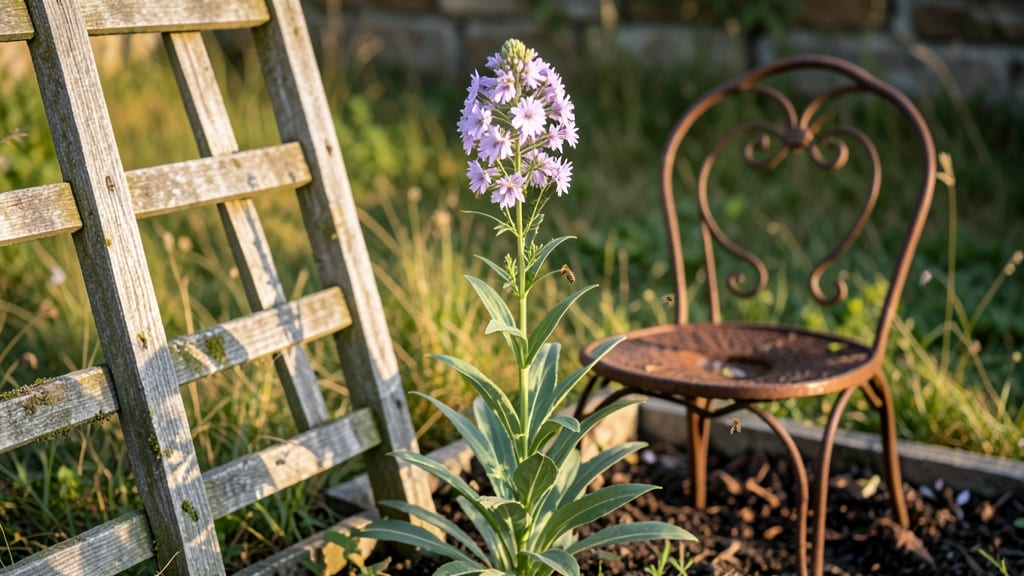
A grandma's garden picture creates nostalgic warmth through vibrant blooms, rustic decor like wooden benches, and soft natural lighting that highlights heirloom plants and vintage touches. The key is blending timeless elements—think stone paths, antique tools, and cozy seating—to spark memories of simpler times.
A grandma's garden picture thrives on sensory storytelling—imagine the scent of lavender, the rustle of petals in a breeze, or the patina of a well-loved iron chair. 🌸 The magic lies in these small details: heirloom roses climbing trellises, hand-painted terracotta pots, or even a vintage sun dial tucked into the corner.
These elements don't just decorate—they transport viewers to a slower, more intentional era where gardens were both functional and full of personality.
Lighting transforms these scenes from ordinary to extraordinary. Golden hour's warm glow softens shadows and makes colors pop, while diffused morning light creates that dreamy, timeless quality. I always recommend shooting during these windows—it's the difference between a snapshot and a keepsake.
And don't underestimate props: a stack of old gardening books, a woven basket of fresh herbs, or even a child's handprint in the dirt add layers of authenticity that cameras alone can't capture.
💡 In This Article
- Heirloom Plants and Vintage Garden Elements
- Best Lighting and Composition Tips for Timeless Garden Photos
Heirloom plants and vintage garden elements
Heirloom plants like English roses, hollyhocks, and lavender create nostalgia because they've been cultivated for generations, each carrying historical significance. The old rose varieties (like 'Blush Noisette' or 'Souvenir de la Malmaison') were favorites in Victorian gardens, while hollyhocks symbolized holiness in medieval herbals.
These plants trigger sensory memories—roses release 200+ volatile compounds that create their signature scent, while lavender's linalinol compound produces that calming aroma we associate with grandma's linens. 🌹
The tactile experience matters too. Hollyhocks have velvety petals that feel different from modern hybrids, while lavender stems have a woody texture that contrasts with sleek contemporary plants. Even the seed pods of heirloom beans or peas have that rough, papery texture that reminds us of childhood gardens.
Vintage elements like wrought-iron chairs (with their intricate scrollwork) or stone paths (often 2-3 feet wide) create visual anchors that our brains connect to simpler times.
Color psychology plays a crucial role too. Heirloom roses come in 100+ traditional colors—deep burgundies, soft peach, and buttery yellows—that evoke specific memories. The blue-gray foliage of lavender creates contrast that our eyes find comforting, while hollyhock's vertical lines draw the eye upward, creating that "grand" feeling.
These colors weren't just chosen for beauty; they had practical purposes—like using red flowers to stain fabrics or lavender as a natural insect repellent.
Vintage garden features work the same magic. A picket fence (typically 6 feet tall with 2-inch spaces between slats) wasn't just decorative—it marked property boundaries and provided windbreaks. Wrought-iron chairs often had cup holders for tea service, while stone paths were designed to drain water properly.
These functional elements become nostalgic triggers because they represent a time when gardens were both beautiful and purposeful.
Here's what makes these elements work together: The scent of lavender (up to 30 feet away on a still day) combined with the visual texture of roses and the tactile experience of stone paths creates a multi-sensory experience.
Our brains associate these combinations with childhood visits or family gatherings, making them powerful nostalgia triggers. Even the sound of petals rustling or the sight of bees visiting flowers becomes part of the memory.
The key insight is that these elements weren't just randomly chosen—they were culturally significant for generations. Heirloom plants survived because they were hardy and useful, while vintage features were built to last. This combination of utility and beauty is what makes them timeless in our collective memory.
When you arrange these elements thoughtfully, you're not just creating a picture—you're recreating an experience that feels familiar and comforting. 💛