Trees
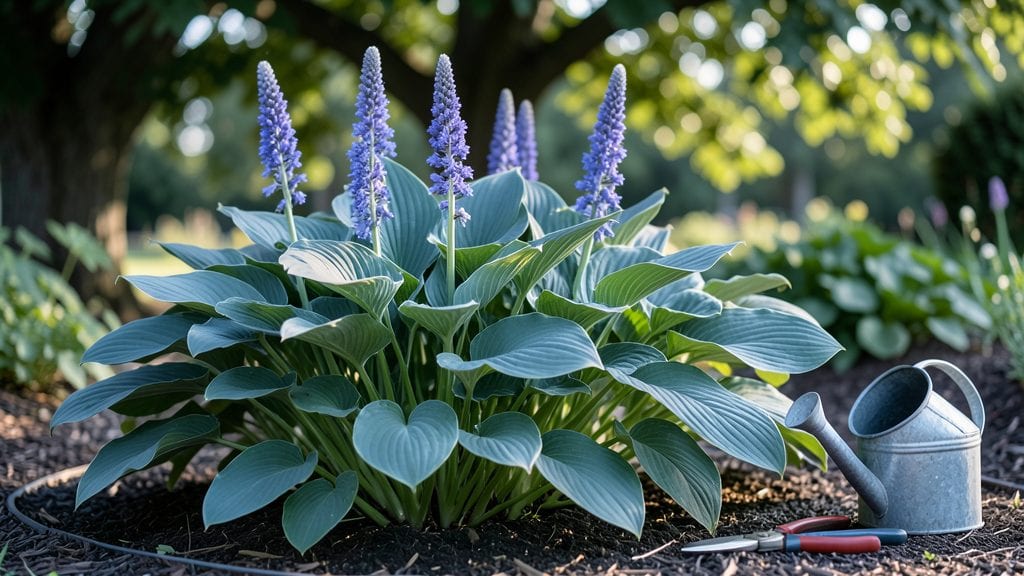
Hosta gardens pictures reveal how shade gardens thrive with bold foliage pairings like ferns, heucheras, and ornamental grasses, creating rich textures. Their foliage transforms from deep jewel tones in summer to fiery golds in fall, while thoughtful lighting and mulching keep colors vibrant all season.
Hosta gardens are all about creating visual depth through strategic plant combinations.
The key lies in mixing different leaf shapes—broad hostas with delicate ferns or spiky ornamental grasses—to add dimension. 💫 I’ve found that adding a few flowering companions, like astilbes or Japanese anemones, extends the season’s interest beyond just foliage.
The real magic happens when you play with height: taller varieties in back, medium in the middle, and low-growing ground covers in front.
What sets these gardens apart is how they evolve with the seasons. The same hosta bed that looks lush and blue in summer can turn into a golden masterpiece by autumn. This seasonal shift keeps things fresh without requiring constant changes.
Plus, the right mulch—like shredded bark or pine needles—helps maintain moisture and accentuates the colors, making every shade garden feel like a living work of art.
💡 In This Article
- Design Principles for Stunning Hosta Garden Layouts
- Best Hosta Varieties for Seasonal Color Shows
Design principles for stunning hosta garden layouts
Creating visual impact in hosta gardens starts with understanding how foliage interacts with light and space. Hostas thrive in partial to full shade, where their leaves develop the deepest colors.
The key is arranging plants by height—tall varieties like 'Sum and Substance' (36" tall) should anchor the back, while smaller types such as 'Blue Mouse Ears' (6" tall) fill the front.
This creates a natural tiered effect that draws the eye upward, much like a forest understory. 🌿 The science here involves light penetration: taller plants cast gentle shade on smaller ones, protecting their delicate leaves while maintaining vibrant hues.
Color contrast is another game-changer. Pairing blue hostas (like 'Halcyon') with golden varieties (like 'August Moon') creates striking visual tension. The human eye perceives these complementary colors as more intense when placed side by side—a principle borrowed from color theory.
For texture, mix broad hosta leaves with ferns (like matteuccia struthiopteris) or grasses (like Hakonechloa macra), which add movement and softness. The ideal spacing between plants is 18-24 inches apart, allowing foliage to mature without overcrowding, which can lead to slug damage and poor airflow.
Seasonal timing matters too. Most hostas bloom in late summer, but their foliage performs year-round. To extend interest, interplant with early spring bloomers (like hepaticas) and fall interest plants (like Japanese anemones).
Mulching with 3-4 inches of organic matter (like shredded bark) helps retain moisture and regulates soil temperature, which is critical for leaf vibrancy. Avoid dark mulches in hot climates—they can overheat soil and stress hostas, while lighter mulches reflect heat and preserve color.
Lighting plays a subtle but powerful role. Installing spotlights or path lights (2700K color temperature) highlights hosta foliage at night, especially variegated types that glow under artificial light. For daytime contrast, place silver or chartreuse foliage plants (like heucheras) near deep blues—their metallic sheen makes the hostas pop.
One common mistake is planting hostas in full sun without moisture, which causes leaf scorch. Always monitor soil moisture; hostas need 1-1.5 inches of water weekly during dry spells.
Texture is the final piece of the puzzle. Hostas range from velvety smooth ('Patriot') to rugged and corrugated ('Francee'), while ferns add lace-like detail. Mixing these creates a tactile experience that engages all senses.
For example, the rough texture of 'Blue Angel' contrasts beautifully with the delicate fronds of a maidenhair fern. This layering technique ensures your garden remains dynamic even when hostas aren't blooming. 💫
Pro tip: Group hostas by color families (blues, golds, greens) to create cohesive "pockets" of interest. This approach makes maintenance easier and enhances visual harmony. Start with a 3:1 ratio of hostas to companion plants—three hostas for every one fern or grass—to balance foliage density without overwhelming the space.