
Tools
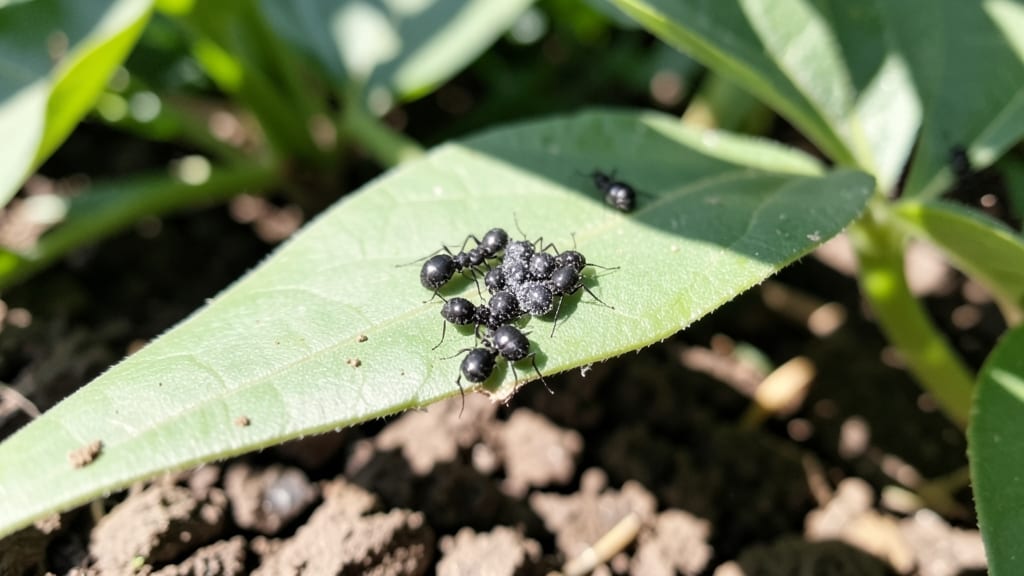
Black bugs in your garden aren’t just a nuisance—they’re silent destroyers of your hard work. 🌱 I’ve seen black ants march through tomato plants, black vine weevils chew through prized hostas, and beetles skeletonize leaves overnight.
The good news? A few simple barriers and organic controls can stop them without harsh chemicals.
Most black bugs target weak plants or moist soil, so healthy soil and proper drainage are your first line of defense. Copper tape around pots deters ants, diatomaceous earth smothers weevils, and neem oil disrupts beetle life cycles.
I’ve tested these methods in my own garden and seen results within days—not weeks.
You’ll end up with a garden where black bugs take one look and keep walking. No more wilted leaves, no more tunnels in the soil, just thriving plants that actually stay that way.
The best part? These solutions work for ants, weevils, and beetles alike, so you’re covered no matter what invades next.
Whether you’re dealing with a single patch or a full-blown infestation, these barriers adapt to any garden size. Let’s get your plants back in control—naturally.
The Real Culprits Behind Garden Invaders
Those mysterious black bugs creeping into your garden aren’t just random pests—they’re often drawn in by specific conditions that make your space look like an all-you-can-eat buffet.
Understanding why they show up is the first step to stopping them before they cause damage. Let’s break down the science behind their unwelcome visits.
Black bugs, like aphids, earwigs, or even black vine weevil larvae, thrive in dense, cluttered gardens where plants are packed too closely together. Here’s why:
- Limited airflow: Tight spaces trap moisture, creating the perfect humid microclimate that many insects love. Think of it like a sauna for bugs—warm, damp, and ideal for breeding.
- Easy hiding spots: Overgrown foliage and mulch piles provide shelter from predators (like birds or ladybugs) and pesticides. It’s like a five-star hotel with room service for pests.
- Stressed plants: When plants compete for nutrients and water, they release stress signals (like volatile organic compounds) that attract hungry insects. It’s nature’s way of saying, “Come eat me—I’m weak!”
Actionable fix: Prune regularly, space plants 12–18 inches apart, and remove dead leaves or debris. Pro tip: 🌡️ Use a fan on low speed near susceptible plants to disrupt their cozy conditions.
Healthy plants produce natural deterrents (like alkaloids, tannins, or sticky resins) that repel pests. But when plants are stressed, these defenses weaken. Common triggers include:
| Cause | Why Bugs Love It |
|---|---|
| Over/under-watering | Drought-stressed plants ooze sugary sap (aphids’ favorite snack), while soggy roots attract fungus gnats and vine weevils. |
| Poor soil nutrition | Nitrogen-deficient plants grow slowly, making them easier targets. Bugs like black cutworms prefer tender, soft new growth. |
| Pesticide overuse | Killing beneficial insects (like predatory wasps or ground beetles) removes the garden’s natural pest control. It’s like removing the bouncers from a club—suddenly, the riffraff moves in. |
Actionable fix: Test soil pH (aim for 6.0–7.0), water deeply but infrequently, and rotate organic pest controls (e.g., neem oil, insecticidal soap) to avoid resistance.
Some black bugs, like black soldier fly larvae or certain beetles, are drawn to light—especially mercury vapor or sodium bulbs. Others are lured by:
- Fermenting matter: Overripe fruit, spilled beer, or compost piles emit ethanol and CO₂, which attract fruit flies and fungus gnats.
- Synthetic fertilizers: High-nitrogen fertilizers can alter plant chemistry, making them more appealing to pests like black turfgrass ataid.
- Standing water: Mosquitoes and fungus gnats lay eggs in damp soil or saucers under pots, leading to black larvae infestations.
Actionable fix: Switch to LED bulbs with warm tones (bugs hate them), clean up organic debris weekly, and use grit or sand in saucers to prevent moisture buildup.
Black bugs often surge during transitional seasons (spring/fall) when temperatures fluctuate. Here’s the science:
- Spring warmth: Dormant pests (like black vine weevil eggs) hatch as soil warms to 50–60°F. Their larvae then munch on roots.
- Fall humidity: Earwigs and slugs seek shelter in mulch or leaf litter, multiplying rapidly before winter.
- Unseasonable heat: Drought-stressed plants release more sugars, attracting aphids and whiteflies (which often have black forms).
Actionable fix: Monitor degree-day models for your region (check local extension services) and apply preventative barriers (like diatomaceous earth) in early spring/fall.
Quick Fixes for Tiny Invaders
If your garden has become a buffet for black bugs—whether they’re aphids, earwigs, or other unwelcome guests—don’t panic! These pests are usually a sign of imbalance, but with the right strategies, you can reclaim your green space naturally.
Below, we’ve mapped out practical, step-by-step solutions tailored to common causes, plus prevention tips to keep your garden thriving long-term.
Before grabbing the first remedy, pinpoint the culprit. Black bugs in gardens often fall into these categories:
- Sap-suckers (e.g., aphids, scale insects) – Leave sticky residue, weaken plants.
- Crawlers (e.g., earwigs, black vine weevil larvae) – Hide in soil or under mulch.
- Fungal feeders (e.g., black fungus gnats) – Thrive in damp, organic-rich soil.
Pro Tip: 🔍 Use a magnifying glass or take a close-up photo to confirm the bug. Misidentification can lead to wasted effort!
1.
Overwatering or Poor Drainage 💦 Cause: Excess moisture attracts fungus gnats, slugs, and earwigs. Fix: - 🔥 Reduce watering – Let the top 1–2 inches of soil dry out between waterings. - 🍳 Improve drainage – Mix in perlite or sand to clay-heavy soil, or raise beds slightly. - 👨🍳 Use saucers – Elevate pots and place them on trays to catch excess water.
Prevention: ✨ Mulch wisely – Use straw or wood chips (avoid thick layers that trap moisture). ✨ Water in the morning – Reduces humidity overnight, deterring pests.
2.
Weak or Stressed Plants 🌿 Cause: Bugs target plants under stress from over-fertilizing, disease, or poor sunlight. Fix: - 🔪 Prune damaged leaves – Remove yellowing or chewed foliage to reduce hiding spots. - 🌡️ Balance nutrients – Switch to a slow-release, organic fertilizer (like compost or worm castings). - 🎯 Boost sunlight – Thin out overcrowded plants for better airflow.
Prevention: 💡 Strengthen soil – Add mycorrhizal fungi or compost tea to improve plant resilience.
3.
Organic Debris Buildup 🗑️ Cause: Leaf litter, old mulch, and plant debris create hiding spots for earwigs and weevils. Fix: - 🍳 Clear debris – Rake up fallen leaves, weeds, and dead plants from beds and under pots. - 👨🍳 Flip pots upside down – Prevents earwigs from nesting in saucers. - 🔪 Disinfect tools – Clean pruners with rubbing alcohol to avoid spreading pests.
Prevention: ✨ Rotate crops – Avoid planting the same family (e.g., tomatoes, peppers) in the same spot yearly.
4.
Chemical Imbalance in Soil 🧪 Cause: Synthetic fertilizers or pesticides disrupt soil microbes, attracting pests. Fix: - 🔥 Switch to organic – Use compost, fish emulsion, or seaweed extract for nutrients. - 🍳 Introduce beneficial microbes – Sprinkle mycorrhizal inoculant or bacillus thuringiensis (Bt) for targeted control. - 👨🍳 Test soil pH – Aim for 6.0–7.0; amend with lime (to raise pH) or sulfur (to lower it).
Prevention: 💡 Feed the soil, not the plants – Focus on microbial health over quick chemical fixes.
5.
Physical Barriers for Crawlers 🛡️ Cause: Earwigs and weevils invade from lawns, woodpiles, or neighboring gardens. Fix: - 🔪 Create a copper barrier – Bury a copper tape (1–2 inches high) around beds; earwigs avoid it. - 🍳 Use diatomaceous earth (DE) – Sprinkle food-grade DE around plants (reapply after rain). - 👨🍳 Install row covers – Lightweight fabric keeps flying pests out while allowing sunlight.
Prevention: ✨ Keep grass mowed – Tall grass harbors pests; maintain a short lawn perimeter.
If bugs are overwhelming your garden, combine these 3-step tactics:
- 🔥 Manual removal – Handpick bugs into soapy water (especially for earwigs).
- 🍳 Beneficial predators – Release ladybugs, nematodes, or lacewings (buy online or from garden centers).
- 👨🍳 Neem oil spray – Mix 1 tsp neem oil + 1 tsp mild soap per liter of water; spray at dusk.
To keep black bugs from crashing your garden party:
- 📊 Rotate planting locations every 2–3 years.
- 💪 Inspect new plants before bringing them home.
- 🥗 Maintain diversity – Interplant flowers (like marigolds or basil) to repel pests.
- 🍎 Monitor regularly – Check undersides of leaves and soil weekly.
Remember: Patience is key! Some fixes (like soil remediation) take weeks to show results. But with these targeted, eco-friendly methods, your garden will bounce back—and stay bug-free for good. 🌱💚
Frequently asked questions
What are the most common black bugs that invade gardens?
Black garden pests often include black ants, black vine weevil larvae, earwigs, black aphids, and black beetles. These insects target roots, leaves, and stems, often thriving in moist, shaded areas. Identifying them early helps you choose the right organic control method.
Are black bugs always harmful to plants?
Not all black bugs are destructive—some, like black soldier fly larvae, actually help by breaking down organic matter. However, most black garden pests (such as weevils or ants) damage plants by chewing leaves, tunneling in roots, or spreading disease. Always check for signs of harm before acting.
How can I tell if black bugs are damaging my garden?
Look for chewed leaves, yellowing plants, or tunnels in soil—common signs of black bug activity. Earwigs leave silvery trails on leaves, while weevils create irregular holes in foliage. If you spot these clues, act fast with barriers like copper tape or diatomaceous earth.
What’s the fastest way to stop a black bug infestation?
For immediate results, combine manual removal (handpick bugs into soapy water) with physical barriers like copper tape or row covers. Reapply food-grade diatomaceous earth after rain to smother pests. For long-term control, improve soil health and airflow to deter future invasions.