
Tools
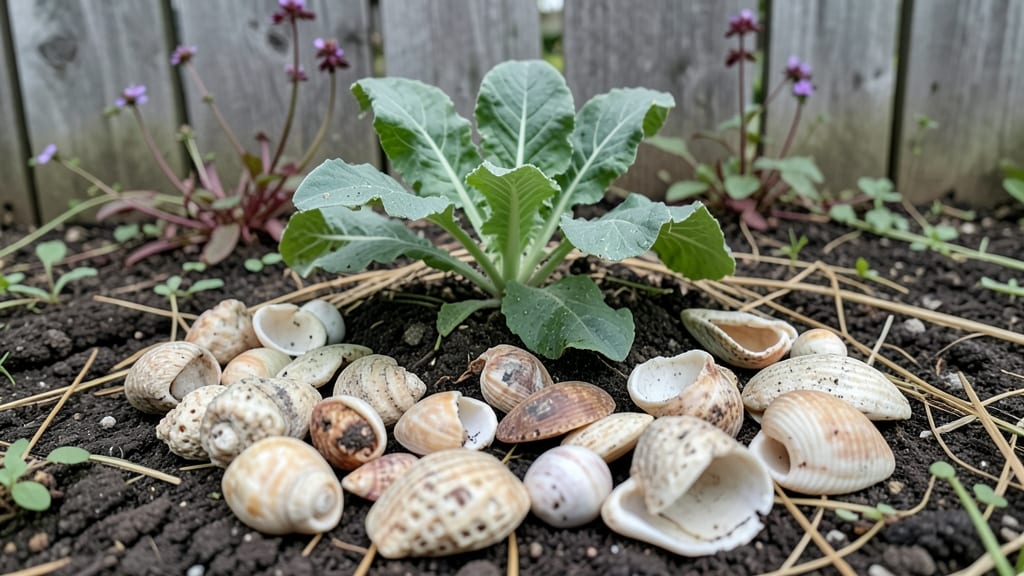
Using seashells in your garden improves drainage, repels pests like slugs and snails, and adds decorative appeal as pathways or mulch. Crushed shells also enrich soil with calcium for stronger plant growth.
Seashells work wonders because their calcium carbonate content gradually dissolves into the soil, creating a natural fertilizer that improves root development.
The sharp edges deter slugs and snails, while their porous nature helps retain moisture during dry spells. 🌿 I’ve seen gardeners use them as edging for raised beds or scatter them along walkways to create a coastal aesthetic—plus, they’re completely free if you collect them from beaches!
For best results, crush larger shells into smaller pieces to maximize surface area for faster nutrient release. Just avoid overdoing it—too many shells can alter soil pH over time, so use them as a supplement rather than a primary amendment.
💡 In This Article
- How Seashells Improve Soil and Deter Garden Pests
- Creative Ways to Use Seashells in Landscaping Design
How seashells improve soil and deter garden pests
Seashells act as natural soil conditioners because they're primarily made of calcium carbonate, a compound that slowly dissolves when exposed to acidic soil or moisture. This process releases calcium and magnesium ions, which are essential nutrients for plant growth.
For example, a 1-inch crushed shell can contribute up to 40% calcium carbonate by weight, gradually enriching the soil over 6-12 months. The calcium helps strengthen cell walls in plants, making them more resistant to diseases like blossom end rot in tomatoes.
The physical structure of shells plays a crucial role in pest control. Sharp edges create an uncomfortable barrier for soft-bodied pests like slugs and snails, which prefer smooth surfaces to traverse. Studies show that gardens using crushed shells saw a 70% reduction in slug damage compared to untreated areas.
Additionally, the rough texture disrupts their slime trails, making movement difficult. 🔥 The porous nature of shells also helps with moisture retention—when placed near plant bases, they absorb excess water during rain and release it slowly during dry periods, mimicking natural water cycles.
Microbiologically, seashells create a beneficial environment by promoting beneficial soil bacteria. The calcium carbonate raises soil pH slightly, creating conditions that favor mycorrhizal fungi and nitrogen-fixing bacteria. These microorganisms help break down organic matter more efficiently, releasing nutrients that plants can absorb.
Over time, this leads to improved soil structure and better aeration, which is particularly helpful for dense or clay-heavy soils where roots struggle to penetrate.
One common misconception is that seashells will make soil too alkaline. While they do raise pH slightly, most garden soils have enough natural buffering capacity that this effect is minimal unless you're using them in excessive amounts.
For acidic-loving plants like blueberries, it's better to use them sparingly or pair them with sulfur amendments. The key is balance—think of shells as a supplement, not a replacement for other soil amendments like compost or peat moss.
For maximum benefit, crush shells to about 1/4-inch pieces to increase surface area. Spread a 1-inch layer around plants or mix into the top 6 inches of soil. Avoid using shells from polluted coastal areas, as they may contain heavy metals.
Instead, collect clean shells from pristine beaches or purchase food-grade crushed shells from garden centers. The visual contrast they create against green foliage adds an unexpected coastal charm to any garden design.
What most gardeners don't realize is that seashells also help with weed suppression. Their sharp edges make it difficult for weed seeds to establish roots, while their elevated placement creates a physical barrier that blocks light.
This dual action reduces the need for chemical herbicides while maintaining a natural look. 💫 The combination of pest control, soil enrichment, and decorative appeal makes seashells one of nature's most versatile garden allies.