
Tools
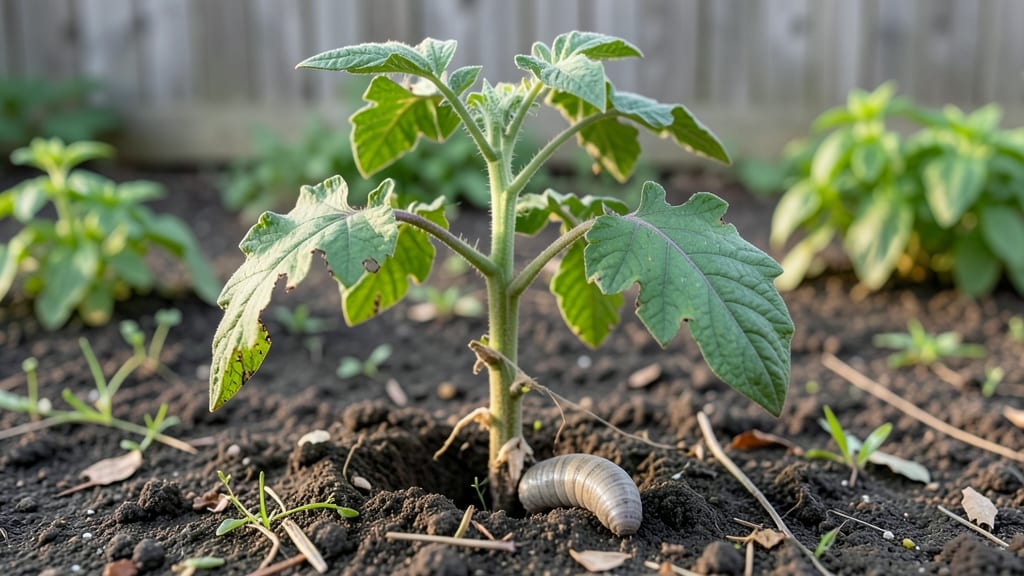
Cutworms in your garden can turn a thriving plot into a sad, half-eaten disaster overnight. 🌱 I’ve lost count of the seedlings they’ve wiped out over the years—until I discovered these organic traps that actually work. The key isn’t just killing them, but stopping them before they start.
These sneaky pests hide in the soil during the day, only to climb up and devour young plants at night. The good news? You don’t need harsh chemicals to win this battle.
Simple barriers like cardboard collars or even crushed eggshells around stems create a physical block they can’t chew through. It’s a game-changer for anyone tired of finding chewed-off plants at dawn.
Within a week, you’ll see new growth pushing through unharmed, and the cutworm population will crash. The best part? These methods protect your soil health while keeping pests at bay. No more guessing—just proven, organic solutions that actually eliminate the problem.
Works for seedlings, young transplants, and even established plants that suddenly show signs of stress. Let’s get those gardens back to thriving in no time.
Root Causes of Garden Munchers
Cutworms don’t just appear out of nowhere—they’re drawn to your garden by a mix of environmental factors, plant choices, and even your gardening habits. Understanding why these sneaky caterpillars target your crops is the first step to stopping them before they turn your hard work into a buffet.
Let’s break down the science behind their behavior.
Cutworms are opportunists, and they love plants that are already stressed or dying. When plants are overripe, diseased, or struggling from poor soil, they become an easy meal. Here’s why:
- Sugar-rich sap: Ripe fruits and soft stems contain more sugars, making them irresistible to cutworms. Think overripe tomatoes, melons, or even fallen leaves with high sugar content.
- Low defense compounds: Healthy plants produce alkaloids and tannins that deter pests. When plants are weak, these natural repellents weaken too.
- Moisture buildup: Overwatered or poorly drained soil creates a damp, decaying environment—perfect for cutworm larvae to hide and feed.
Actionable fix: Harvest crops promptly, remove fallen fruit/leaves, and improve soil drainage. Pro tip: 💡 Mulch with straw (not wood chips) to deter moisture-loving larvae while keeping soil aerated.
Cutworms are nocturnal hunters, meaning they strike under cover of darkness when predators (like birds or toads) are less active. Their behavior is tied to:
- Light conditions: They’re drawn to artificial lights at night (like porch lights or garden floodlights), which can attract moths—their parent species. More moths = more eggs = more cutworms.
- Temperature spikes: Warm nights (above 60°F/15°C) trigger their feeding frenzy. They’re less active in cooler weather.
- Humidity levels: High humidity keeps their bodies hydrated and their skin flexible, making them more active in damp conditions.
Actionable fix: Use yellow bug lights (which attract fewer moths) or motion-activated lights to deter adult moths. Pro tip: ✨ Plant marigolds or garlic near lights—their strong scents repel moths naturally.
Cutworms thrive in messy, neglected gardens where they can hide, breed, and feed undisturbed. Key contributors include:
| Problem | Why It Attracts Cutworms |
|---|---|
| Leaf litter & debris | Provides hiding spots for larvae and a moist microclimate for egg-laying. |
| Uncovered soil | Adult moths prefer bare soil to lay eggs near young seedlings. |
| Compost piles | Decaying organic matter feeds larvae and mimics their natural habitat. |
| Weeds & grass clippings | Hosts alternative food sources and provides cover for pupation. |
Actionable fix: Clear debris regularly, especially after rain (when larvae are most active). Pro tip: 🌡️ Till soil in late summer to expose pupae before they hatch—just be mindful of beneficial insects!
Cutworms don’t choose gardens randomly—they’re strategic about where they settle. By addressing these root causes, you’re not just reacting to damage; you’re starving out their incentives to stay. Next up: how to turn these triggers into traps that work overnight.
Quick Fixes for Cutworm Chaos
Now that you understand why cutworms are wreaking havoc in your garden, let’s tackle them head-on with practical, organic solutions. These strategies target the root causes—whether it’s their love for young plants, their nocturnal habits, or their sneaky hiding spots—while keeping your garden thriving without harsh chemicals.
Prevention is your first line of defense. Cutworms thrive in undisturbed soil, so disrupt their comfort zone with these simple steps:
- 🌱 Mulch with a twist: Use straw, grass clippings, or wood chips around plants, but avoid thick layers—cutworms love burrowing in deep mulch.
Instead, keep it light (1–2 inches) and fluffy to deter them. - 🌙 Light up the night: Cutworms are nocturnal, so install solar-powered LED lights near vulnerable plants.
The sudden brightness startles them into hiding or exposes them to predators like birds. - 🛡️ Protect young seedlings: Wrap the base of seedlings with cardboard collars (cut from egg cartons or toilet paper rolls) or use commercial seedling guards.
These physical barriers block cutworms from chewing stems at ground level. - 🌱 Plant smart: Interplant marigolds, basil, or thyme—their strong scents repel cutworms. Avoid planting near corn, tomatoes, or cabbage, which are their favorite snacks.
If cutworms are already feasting, these traps will lure them out of hiding so you can eliminate them without chemicals:
- 🥛 The classic milk jug trap: - Cut a plastic milk jug in half and invert the top into the bottom, creating a funnel. - Bury it 1–2 inches deep near affected plants.
The cutworms will crawl inside and get trapped. - Check daily and dispose of them in soapy water (never compost them—they’ll just hatch more worms!).
- 🍎 Apple cider vinegar bait: - Mix 1 part apple cider vinegar with 1 part water in a shallow dish. - Place near plants at dusk.
Cutworms are attracted to the smell and will drown in the mixture. - Pro tip: Add a drop of dish soap to break the surface tension and speed up drowning.
- 🥔 The potato trap:
- Bury a raw potato near the garden bed. Cutworms will crawl inside to feed.
- Check every few hours and relocate them to a far-off area (like a compost pile away from your garden) to starve.
If you’re hands-on, handpicking cutworms is one of the fastest ways to reduce their numbers. Here’s how:
- 🌙 Go at dawn or dusk: Cutworms are most active when the soil is damp and cool. Use a flashlight to spot them curled up near plants. - 🔪 Grab and go: Wear gloves and carefully pick them off plants or soil.
Drop them into a bucket of soapy water to kill them instantly. - 🌱 Check under mulch: Lift mulch or boards where they hide—you’ll often find clusters of them.
✨ Pro tip: If you have chickens, let them forage in the garden after dark. They’ll happily snack on cutworms while fertilizing the soil!
Cutworms return year after year if their habitat stays ideal. Break the cycle with these low-maintenance fixes:
| Problem | Solution | How to Do It |
|---|---|---|
| Compacted soil | Loosen soil | Use a broadfork or till in compost to aerate. Cutworms hate dry, crumbly soil. |
| Overwatered beds | Reduce moisture | Water deeply but less frequently to discourage cutworm activity. |
| Weedy garden edges | Remove weeds | Cutworms hide in weeds—keep borders clean and mulch-free near plant bases. |
| Late-season debris | Clean up thoroughly | Rake up all plant debris in fall to remove egg masses and overwintering worms. |
- 🚨 Act fast if you see:
- Wilting seedlings (check stems for cuts).
- Chewed leaves with frass (cutworm poop).
- Curled-up worms on soil or plants at night.
- 🌱 Wait and monitor if:
- You’re early in the season (cutworms may not be active yet).
- You’ve already taken preventive steps (like mulching or traps).
💡 Remember: Cutworms are a sign of a healthy, fertile garden—they’re just opportunistic eaters. With these strategies, you’ll outsmart them without harming your plants or the ecosystem.
🎯 Final Tip: Combine traps + prevention + manual removal for the best results. Consistency is key—cutworms won’t stand a chance!
Frequently asked questions
What are the first signs of cutworms in my garden?
Look for chewed stems at ground level—plants will suddenly wilt or collapse without visible damage above soil. Check for frass (tiny black droppings) near the base of plants or curled-up worms hiding in mulch during daylight hours.
Can I use coffee grounds to repel cutworms?
Yes! Sprinkle used coffee grounds around plant bases—the strong scent deters cutworms and adds nitrogen to soil. For extra protection, mix with crushed eggshells (the sharp edges irritate their soft bodies). Reapply after rain.
How do I know if my cutworm problem is severe?
If you find more than 3-5 worms per square foot or see multiple plants wilting overnight, it’s time for aggressive action. Monitor for new egg masses (tiny white clusters on leaves) and combine traps with neem oil sprays (1 tsp per gallon of water) for large infestations.
Will ducks or chickens actually eat cutworms?
Chickens and ducks are cutworm magnets—they’ll happily hunt them at dawn/dusk. For best results, let them forage in the garden for 1-2 hours daily during the coolest parts of the day (they’re less active in midday heat).
Can I use diatomaceous earth on cutworms?
Yes, but with caution. Food-grade diatomaceous earth works by dehydrating cutworms—sprinkle a thin layer (1 tbsp per sq ft) around plants. Reapply after watering, and avoid overapplying (it can harm beneficial insects). Best used as a targeted barrier rather than blanket coverage.