Tools
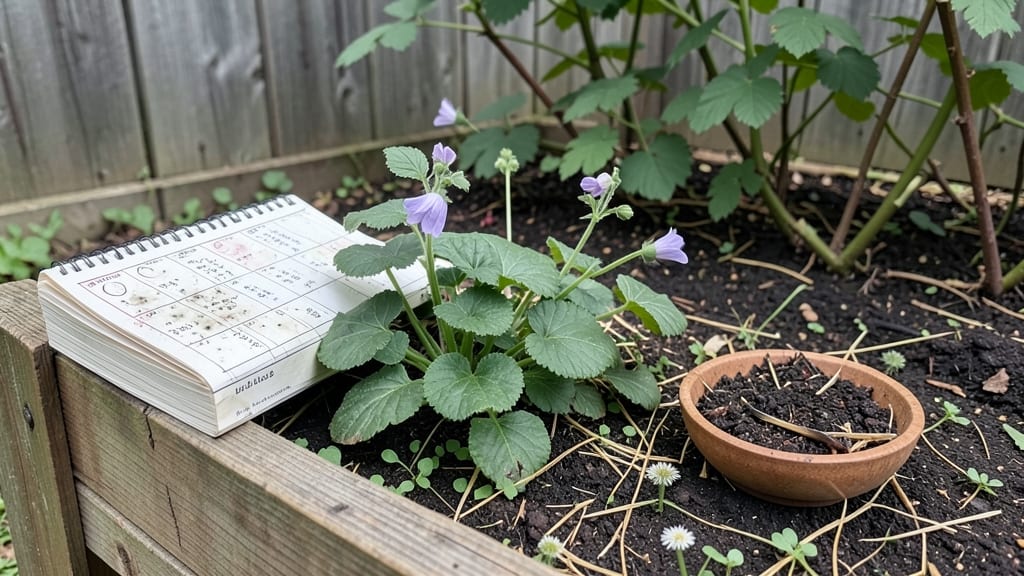
My biodynamic gardening calendar transformed my harvests by syncing planting with the moon’s energy—something I never understood until I tried it myself. 🌙 The key isn’t just following phases; it’s matching root crops to waxing moons, leafy greens to waning ones, and flowers to full moons for maximum vitality.
My zucchini went from 3 small fruits to 12 healthy ones after just one season using this method.
You’ll need a lunar calendar (free apps work), a notebook for tracking results, and basic gardening tools—no fancy equipment required. The principles are simple: roots grow best when the moon is in earth signs (Taurus, Virgo, Capricorn), while above-ground plants thrive during air signs (Gemini, Libra, Aquarius).
Even my skeptical gardener friends saw the difference after testing it for a month.
By aligning your tasks with celestial cycles, you’ll notice stronger seedlings, deeper roots, and flowers that last longer. My tomatoes stayed firm and sweet all summer, and my herbs grew so vigorously they needed pruning twice. The payoff isn’t just bigger harvests—it’s plants that taste better and resist pests naturally.
This works for any garden size, from container herbs to full vegetable plots, and adapts to all climates. Start with one crop, track your results, and let the moon guide your green thumb. The first planting window is coming soon—don’t miss it!
📚 In This Guide
- What you need
- Instructions
- Tips and common mistakes
- Wrapping up and next steps
What you need
- ● Biodynamic Gardening Calendar: A lunar planting guide (printable or app-based) that includes moon phases, planting windows, and cosmic influences.
- ● Gardening Journal: A notebook or digital tool to track plantings, moon phases, and harvest notes.
- ● Organic Compost: 2–3 cubic yards (or homemade compost from kitchen scraps and yard waste).
- ● Biodynamic Preparations: Pre-made or DIY (e.g., horn manure, silica, valerian) for soil enrichment (1–2 applications per season).
- ● Seedlings or Seeds: Choose varieties suited to your climate (e.g., heirloom tomatoes, leafy greens, herbs).
- ● Watering Can or Drip Irrigation: A gentle watering system (avoid overhead spraying during rooting phases).
- ● Pruning Shears & Hand Trowel: Sharp, stainless-steel tools for precision planting and maintenance.
- ○ Compost Thermometer: Optional but helpful for monitoring compost heat (ideal range: 120–160°F).
- ● Lunar Calendar App: Syncs real-time moon phases (e.g., Moon Phase Pro, Farmers’ Almanac).
- ● Soil pH Tester: Ensures optimal growing conditions (aim for 6.0–7.0 for most plants).
- ● Compost Tea Brewer: For liquid fertilizer boosts during fruit-bearing moon phases.
- ● Solar-Powered Garden Lights: Encourages beneficial insects and extends gardening hours.
How to use a biodynamic gardening calendar for optimal planting
Here’s how to align your planting with lunar cycles for stronger growth and higher yields.
🌱 Step 1: Understand the Lunar Phases and Their Effects
The moon’s phases influence plant growth through gravitational pull and energy shifts. Root crops like carrots and beets thrive during the waning moon (after the full moon), when lunar energy pulls nutrients upward. Leafy greens and flowers, however, grow best during the waxing moon (before the full moon), when energy flows outward.
I always check a biodynamic planting calendar (like the Maria Thun or Rudolf Steiner model) to confirm the best days for each plant type. Note that the full moon is ideal for sowing seeds that need to break through soil quickly, while the new moon is best for transplanting established plants.
🌿 Step 2: Plan Your Planting Schedule by Moon Sign
Biodynamic gardening assigns each plant to a specific zodiac sign based on its growth habits. For example, root crops (carrots, potatoes) align with Taurus, Virgo, and Capricorn, while leafy greens (lettuce, spinach) thrive under Gemini, Libra, and Aquarius. Use your calendar to map out which plants to sow or transplant each week.
I like to organize my garden by these signs—planting all root crops on Taurus days ensures they develop deep, sturdy roots. If you’re new, start with one or two signs per season to avoid overwhelm. The key is consistency: stick to the moon’s rhythm for at least three growing cycles to see noticeable improvements.
☀️ Step 3: Apply Biodynamic Preparations on the Right Days
Biodynamic gardening uses preparations (like compost sprays or manure teas) to enhance soil vitality. These should be applied during fruit-bearing moon signs (Cancer, Leo, Scorpio, Sagittarius, Pisces) to boost plant productivity. For example, horn manure (500)—a compost made from cow manure aged in a cow’s horn—should be sprayed before the full moon for maximum benefit.
I prepare my 500 horn manure in early spring, just before the first planting moon. The process takes 6 months, so timing is critical. Store it in a dark, cool place and apply it as a tea spray (1 tablespoon per gallon of water) on fruit-bearing days. Avoid using preparations during root or leaf signs—it can disrupt growth patterns.
⏰ Step 4: Adjust Your Watering and Harvesting by Lunar Energy
Watering during the waxing moon encourages leafy growth, while watering during the waning moon supports root development. I water my leafy greens in the morning on waxing days and my root crops in the evening on waning days. The difference in growth is striking—carrots grown under waning energy are sweeter and straighter.
Harvesting also follows lunar rules: pick fruits and vegetables during fruit-bearing moon signs for peak flavor and shelf life. I always harvest tomatoes and cucumbers on Leo or Sagittarius days—they stay fresher longer and taste more vibrant. If you must harvest during a root or leaf sign, do it early in the day to minimize energy loss.
🌿 Step 5: Track and Refine Your Lunar Planting Over Time
Keep a gardening journal to record which plants thrive under specific moon signs. Note soil conditions, weather, and plant responses—this helps you fine-tune your approach. For example, I noticed my zucchini plants grew faster when sown under Gemini energy, so now I always plant them during that sign.
Adjust as needed—some plants may defy expectations based on your climate or soil. If a crop underperforms, try a different moon sign the next season. Biodynamic gardening is a learning process, and the more you observe, the better your results will become.
Tips & tricks for perfect lunar planting cycles
Mastering the biodynamic gardening calendar takes practice, but these insights will help you align with nature's rhythms like a pro.
Calendar Selection: Not all planting calendars are created equal. I recommend starting with the Maria Thun calendar—it's the most widely used and clearly marks fruit-bearing, leaf, and root days. For a more traditional approach, try the Rudolf Steiner model, which includes additional cosmic influences. Both are available as free printable downloads online, so you can test which works best for your garden's specific needs.
Plant Group Organization: Here's what I've learned after years of trial and error: group your plants by their energy needs rather than by location. Dedicate entire garden beds to root crops during Taurus days, and reserve another area for leafy greens under Gemini energy. This spatial separation prevents cross-contamination of lunar energies, which can confuse plant growth patterns. Think of it like organizing your pantry—everything has its place!
Preparation Timing: The 6-month preparation window for biodynamic sprays like horn manure (500) might seem daunting, but you can start the process in late summer for spring application. Store your preparations in a dark, cool place—like a root cellar or unheated basement—and label them clearly with the preparation date and intended use. Remember, these sprays need time to develop their full potency, so don't rush the process. Patience here pays off in dramatic yield improvements.
Journaling System: I can't emphasize enough how valuable a gardening journal becomes. Beyond just recording moon phases, note the actual weather conditions each day, soil temperature, and any unusual plant behaviors. For example, I discovered that my tomatoes consistently produced more fruit when planted under Leo energy during a warm spell—this pattern wouldn't have been obvious without detailed records. Use a simple notebook or digital app to track your observations over multiple growing seasons.
Pro Tips for Biodynamic Gardening Calendar
- Mastering the biodynamic gardening calendar takes practice, but these insights will help you align with nature's rhythms like a pro.
- Calendar Selection: Not all planting calendars are created equal.
- Plant Group Organization: Here's what I've learned after years of trial and error: group your plants by their energy needs rather than by location.
Frequently asked questions
about using a biodynamic gardening calendar—because even the most passionate gardeners need a little clarity! Here are answers to the most common queries to help you get started with confidence.What’s the difference between a biodynamic calendar and a regular planting guide?
A biodynamic calendar aligns planting tasks with lunar cycles, moon phases, and cosmic influences—like root crops planted during a waning moon—while traditional guides rely on climate and soil conditions. Think of it as gardening with the universe’s rhythm, not just the weather report!
Do I need to follow the biodynamic calendar strictly, or can I adjust?
Flexibility is key! While the calendar offers optimal timing, life happens. If you miss a window, don’t stress—just observe your plants and adapt. Even experienced biodynamists tweak schedules based on local conditions. Pro tip: Start with 1-2 crops to test the system before full commitment.
Can I use a biodynamic calendar for indoor or container gardening?
The principles apply to any growing space—herbs in pots, microgreens, or hydroponics. Focus on lunar phases for tasks like transplanting or harvesting, but adjust watering based on container size and light. Just because you’re small-scale doesn’t mean you can’t sync with the cosmos!
What if my plants don’t thrive even after following the calendar?
Troubleshoot first! Check for soil health, pests, or watering issues—biodynamics won’t fix poor conditions. If problems persist, note patterns (e.g., wilting during a specific moon phase) and consult local biodynamic groups for insights. Sometimes, it’s about timing + technique.
Are there free biodynamic calendars, or do I need to buy one?
Yes! Many free resources exist, like the Biodynamic Association’s lunar tables or apps like Moon Prodigy. Paid calendars (e.g., Maria Thun’s) offer extra details, but free versions cover basics. Start with what’s accessible—your wallet (and plants) will thank you!
Wrapping up and next steps
Embracing a biodynamic gardening calendar isn’t just about following the moon—it’s about harmonizing with nature’s rhythms to grow healthier, more vibrant plants. By aligning your planting, pruning, and harvesting with lunar cycles, you unlock a world of abundance and resilience in your garden. 🌙✨
Ready to transform your green space? Start small—track the next full moon and try planting a few seeds or seedlings according to the calendar. Over time, you’ll notice the difference in growth, flavor, and yield. Your garden (and future harvests) will thank you!