
Advice
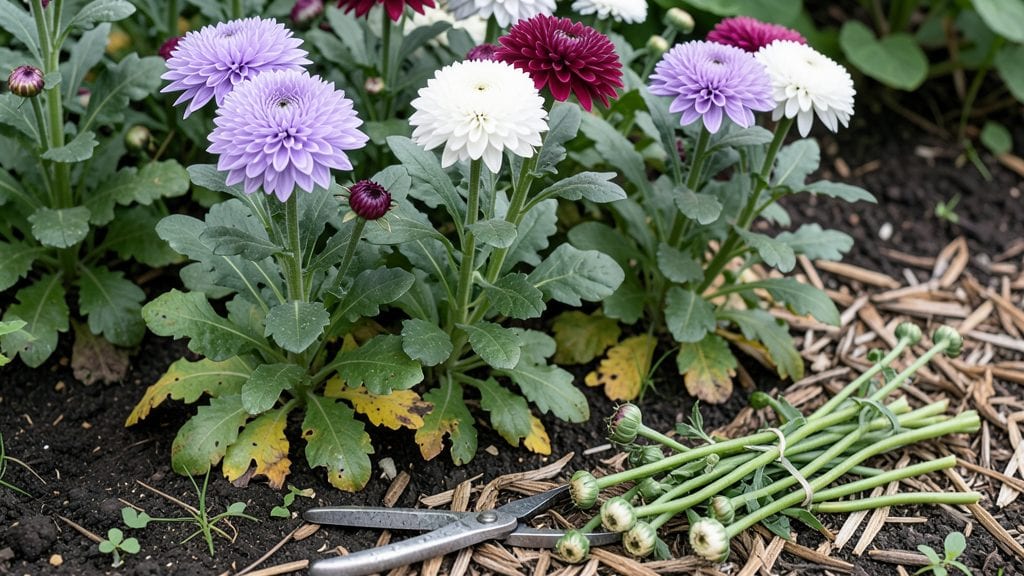
September is your last chance to plant for fall harvests before winter sets in. 🌱 I’ve learned that the plants you put in now—kale, spinach, carrots, and radishes—will reward you with fresh greens and roots when most gardens are asleep.
The key is timing: sow seeds now, and you’ll have tender baby leaves by October, or even hearty winter crops if you’re in a mild zone.
You don’t need fancy tools—just a sunny spot, some well-draining soil, and a watering can. I start with a simple raised bed or even large containers if space is tight. Cool-season crops thrive in cooler temps, so no more wilting from summer heat.
The trick is keeping soil moist but not soggy; I check moisture with my finger before watering. A light mulch layer helps retain moisture and keeps weeds at bay.
By late fall, you’ll be harvesting crisp carrots, peppery arugula, and sweet potatoes straight from your garden. The taste is unmatched—nothing beats homegrown produce at its peak. Plus, these plants often overwinter, giving you an early spring harvest too. It’s a game-changer for anyone who loves fresh food year-round.
Whether you’re in a backyard, balcony, or community plot, these tips work everywhere. In colder zones, opt for cold-hardy varieties and protect young plants with row covers. The goal? Extend your growing season as long as possible. Let’s make the most of these golden weeks before frost.
📚 In This Guide
- What you need
- Instructions
- Tips and common mistakes
- Wrapping up and next steps
What you need
- ● Seeds: Choose cold-hardy varieties like kale, spinach, lettuce, radishes, carrots, and garlic (1–2 lbs per crop, depending on garden size).
- ● Seedlings: Transplant-ready broccoli, Brussels sprouts, or cabbage (6–12 plants, depending on spacing needs).
- ● Compost/Soil Amendments: 2–3 cubic yards of well-aged compost or organic matter to enrich soil for nutrient-hungry fall crops.
- ● Mulch: Straw or shredded leaves (1–2 inches thick) to insulate soil and retain moisture.
- ● Hand Trowel: For precise planting and soil prep (ergonomic handle preferred).
- ● Garden Gloves: Durable, breathable pair to protect hands from thorns or sharp soil.
- ● Rake: Medium-sized (18–24 inches) for leveling soil and spreading mulch.
- ● Watering Can or Hose: With a gentle spray nozzle for delicate seedlings.
- ○ Row Cover/Frost Blanket (Optional): Lightweight fabric to shield young plants from early frosts.
- ● Test soil pH (aim for 6.0–7.0 for most fall crops). Adjust with lime or sulfur if needed.
- ● Clear out spent summer plants and weeds to reduce disease risk.
- ● Check frost dates in your zone—plan planting 6–8 weeks before the first frost for a full harvest.
Instructions for September planting success
September is your second chance—use these steps to plant hardy crops that thrive in cooler weather.
🌱 Step 1: Choose Fast-Growing Fall Crops
Focus on cool-season vegetables like spinach, kale, radishes, and lettuce—these mature quickly before frost. I avoid slow growers like tomatoes or peppers; their 30-90 day harvest windows won’t finish before winter. Check your local frost date and count backward to select varieties that fit.
For a 4-plant harvest, I recommend 1 packet each of spinach, kale, radishes, and lettuce. These handle light frosts better than summer crops. Plant seeds 4-6 weeks before your first frost for a fall harvest. If you’re unsure about your frost date, err on the side of earlier planting—cool nights actually improve flavor in many greens.
🪴 Step 2: Prepare the Soil for Cool Weather
September’s soil stays warm from summer heat, so it’s perfect for planting. Work in 2-3 inches of compost to replenish nutrients after summer’s heavy use. Avoid tilling when soil is wet—it compacts and creates a crust that seedlings struggle to break through.
If your soil is still warm (test by pressing your hand into the ground—if it feels like a hot bath, it’s too warm), wait until evening to plant. Cool-season crops like 45-65°F soil for best germination. I like to add a 1-inch layer of straw mulch after planting to retain moisture and moderate soil temperature as nights cool.
☀️ Step 3: Plant with Proper Spacing and Light
Follow seed packet spacing—crowding invites disease and weak stems. For example, radishes need 1 inch apart, while kale can spread to 12 inches. Plant in rows 18 inches apart for easy weeding and airflow. September’s sunlight is less intense, so place seedlings in full sun (6+ hours) but avoid the hottest afternoon sun if possible.
Water deeply after planting to settle the soil and remove air pockets around roots. Use a soaker hose or water at the base—avoid overhead watering, which can spread fungal spores. I like to water in the late afternoon so moisture evaporates before nightfall, reducing rot risk.
💧 Step 4: Maintain Moisture and Protect from Frost
September’s fluctuating weather means moisture is key. Water 2-3 times per week until soil is 1-2 inches deep and dry. Use your finger to check—if the top layer feels dry, it’s time to water. Mulch helps retain moisture, but don’t overdo it; 1 inch of straw is plenty.
Watch for early frost warnings. If a light frost is forecast, cover tender greens with row fabric or old sheets at dusk. Most cold-hardy crops survive 20-25°F, but a sudden drop below that can damage leaves. I’ve found that kale and spinach actually taste sweeter after a light frost, so don’t rush to cover unless temperatures drop sharply.
✂️ Step 5: Harvest Before Winter Sets In
Start harvesting when plants reach maturity—radishes in 25-30 days, lettuce in 30-40 days, and kale in 50-60 days. Pick outer leaves first to encourage regrowth. Use clean scissors or your fingers to avoid damaging stems. Harvest in the morning after dew dries for the crispest texture.
If frost hits before you finish harvesting, don’t panic. Many greens like kale and spinach survive light frosts. Cut and use them immediately for salads or cook them—frost sweetens their flavor. For radishes, pull them before they bolt or develop woody centers. Store extras in the fridge for 5-7 days or freeze for later use.
Tips & tricks for September planting success
September's second planting season offers a golden opportunity—here's how to maximize your fall harvest with these battle-tested strategies.
Soil Temperature Secrets: That 45-65°F range for soil is crucial for germination. I learned this the hard way after planting too early in warm soil—seeds just sat there! Test soil temperature by pressing your hand in: if it feels like a hot bath, wait until evening. For faster cooling, shade the soil with a board for a few hours before planting.
Planting Timing Precision: The 4-6 week window before frost is your target, but don't guess! Check your local frost date and count backward from that. If you're unsure, plant your spinach and lettuce first—they're more cold-tolerant. I've found radishes actually prefer cooler soil, so they can go in slightly later than other crops.
Frost Protection Hacks: When temperatures drop toward 20-25°F, cover crops with row fabric or even old sheets at dusk. The key is to create a microclimate that traps warmth. I've used upside-down buckets over individual plants to protect them from light frosts. Remember, kale and spinach actually taste sweeter after a light frost—just don't let it get too severe!
Watering Wisdom: September's fluctuating weather makes moisture management critical. That 2-3 times per week guideline works, but check the top 1-2 inches of soil first. Morning watering is ideal, but late afternoon works too—just make sure moisture evaporates before nightfall. I've seen many gardeners overwater in September, thinking plants need more when the air cools.
Pro Tips for Gardening In September
- September's second planting season offers a golden opportunity—here's how to maximize your fall harvest with these battle-tested strategies.
- Soil Temperature Secrets: That 45-65°F range for soil is crucial for germination.
- Planting Timing Precision: The 4-6 week window before frost is your target, but don't guess!
Frequently asked questions
Got questions about tackling your September garden? You’re not alone—this is a busy month! Here are answers to the most common questions to help you make the most of your late-summer gardening efforts.
Can I still plant vegetables in September for a fall harvest?
Cool-season crops like kale, spinach, broccoli, and carrots thrive when planted in September. Aim for 6–8 weeks before your first frost date. Check your local frost calendar—some regions can even squeeze in fast-maturing greens like radishes or lettuce!
What’s the best way to extend the growing season in September?
Use row covers, cold frames, or low tunnels to shield plants from frost. For containers, bring them indoors during cold snaps. Mulch heavily around plants to insulate roots. Pro tip: Plant succession crops (like bush beans) in late August to replace early harvests with late-season bounty!
How do I deal with pests still active in September?
Pests like aphids or cabbage worms may linger. Try neem oil or soapy water sprays for organic control. Handpick larger pests (like tomato hornworms) early in the morning. Prevention works too—remove debris where pests hide and attract beneficial insects like ladybugs with dill or marigolds.
What if September is unusually hot or dry?
Hot spells? Water deeply in the early morning to reduce evaporation and mulch to retain moisture. For drought stress, prioritize watering young seedlings and leafy greens. If heat persists, opt for heat-tolerant varieties like Swiss chard or Malabar spinach—they handle the heat better than delicate lettuce.
When should I start planning for spring planting in September?
September is perfect for soil prep! Test your soil’s pH and nutrient levels, then amend with compost or aged manure. Rotate crops by sketching a layout for next year—note where you’ll plant heavy feeders (like tomatoes) vs. light feeders (like beans). Store seeds in a cool, dry place for spring!
Wrapping up and next steps
September is your golden opportunity to extend your garden’s productivity and savor fresh harvests well into fall! 🌱 From planting cool-season crops to preparing your soil for winter, this month bridges summer’s end and autumn’s promise.
With the right techniques—like succession planting and protective mulching—you’ll turn late-season challenges into thriving gardens.
Ready to keep the harvests coming? Start by sketching a simple plan for your remaining beds, then grab your tools and dive in! Even small steps—like sowing a few more radishes or hardening off seedlings—can make a big difference. Happy gardening! 🌿