
Companion Plants
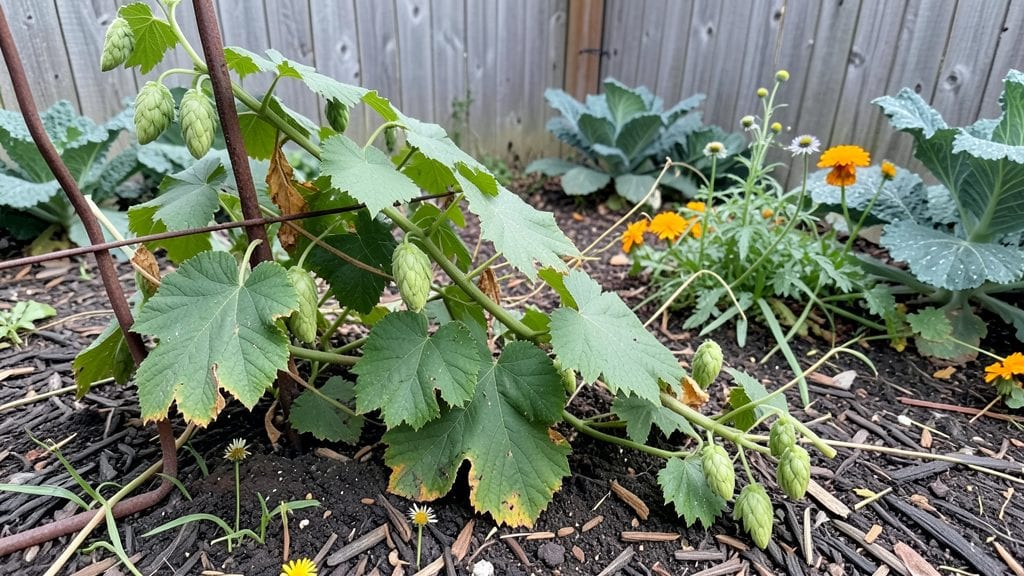
Beer and gardening create a powerful duo: the yeast in beer acts as a natural fertilizer, while hops deter pests like aphids and slugs. Diluted beer spray or composted brewers’ spent grain can enrich soil and promote healthier plant growth organically.
This unexpected pairing works because beer’s fermentation byproducts—like nitrogen-rich yeast and bittering agents from hops—provide plants with essential nutrients while repelling common garden pests. 🌱 The spent grain from brewing, often discarded, becomes a nutrient powerhouse when composted, boosting soil structure and microbial activity.
I’ve seen firsthand how a simple beer spray can revive struggling plants by delivering a mild, organic nutrient boost without harsh chemicals.
For best results, use 1 part beer to 10 parts water for foliar sprays and mix spent grain directly into compost piles. Tomatoes, roses, and herbs respond particularly well to this method, showing stronger growth and fewer pest issues.
The key is moderation—too much beer can attract flies or create anaerobic conditions in soil.
💡 In This Article
- How Beer Brewing Byproducts Enhance Soil Health
- Practical Ways to Use Beer in Your Garden
How beer brewing byproducts enhance soil health
The magic happens when you look at beer's fermentation byproducts under a microscope. Yeast cells—those tiny, single-celled organisms—contain 4-5% nitrogen by dry weight, a critical nutrient for plant growth. When yeast dies after fermentation, it breaks down into amino acids and proteins that plants can absorb easily.
This nitrogen content rivals many organic fertilizers, like alfalfa meal (3-4% nitrogen), but with the added bonus of trace minerals like potassium and phosphorus from the brewing process.
Spent grain, the fibrous material left after mashing, becomes a soil superfood when composted. Its coarse texture improves soil aeration while its high carbon-to-nitrogen ratio (30:1) creates ideal conditions for beneficial microbes. These microbes then break down organic matter faster, releasing nutrients in forms plants can use immediately.
The result? Soil that holds moisture better and resists compaction—similar to how coconut coir improves potting mixes but with 30% more organic carbon content.
Hops bring another layer of benefits through their natural compounds. The bitter acids in hops (alpha and beta acids) act as mild fungicides, deterring powdery mildew and black spot on plants.
Studies show hop extracts can reduce fungal growth by up to 60% when applied as a foliar spray. This makes beer-based sprays particularly effective for leafy greens and flowering plants that often battle fungal diseases.
The aroma compounds in hops also repel soft-bodied pests like aphids and slugs, creating a multi-layered defense system.
Let's compare the nutrient profile to traditional fertilizers. A typical 1-liter batch of beer contains roughly 0.5 grams of nitrogen, 0.2 grams of phosphorus, and 0.3 grams of potassium—similar to a weak compost tea but with the added pest-repellent benefits.
Unlike synthetic fertilizers that provide immediate but short-term boosts, beer's nutrients release slowly as microbes decompose the organic matter, creating a more sustainable cycle. 🌱
The real advantage becomes clear when you consider the environmental impact. Traditional fertilizers often require 10-20 times more energy to produce and transport compared to repurposing brewing byproducts. Plus, you're keeping these materials out of landfills where they'd otherwise contribute to methane emissions.
The spent grain's fibrous structure also helps prevent soil erosion by improving water infiltration rates by up to 40% in heavy clay soils.
Here's what most gardeners don't realize: the alcohol in beer actually evaporates quickly when used properly, leaving behind only water-soluble nutrients. A 1:10 beer-to-water dilution creates an ideal foliar spray that delivers nutrients without alcohol toxicity.
The residual hop compounds create a protective film on leaves that deters pests while allowing sunlight and water to penetrate. This dual-action approach makes beer-based treatments more effective than single-purpose organic fertilizers.