Vegetables
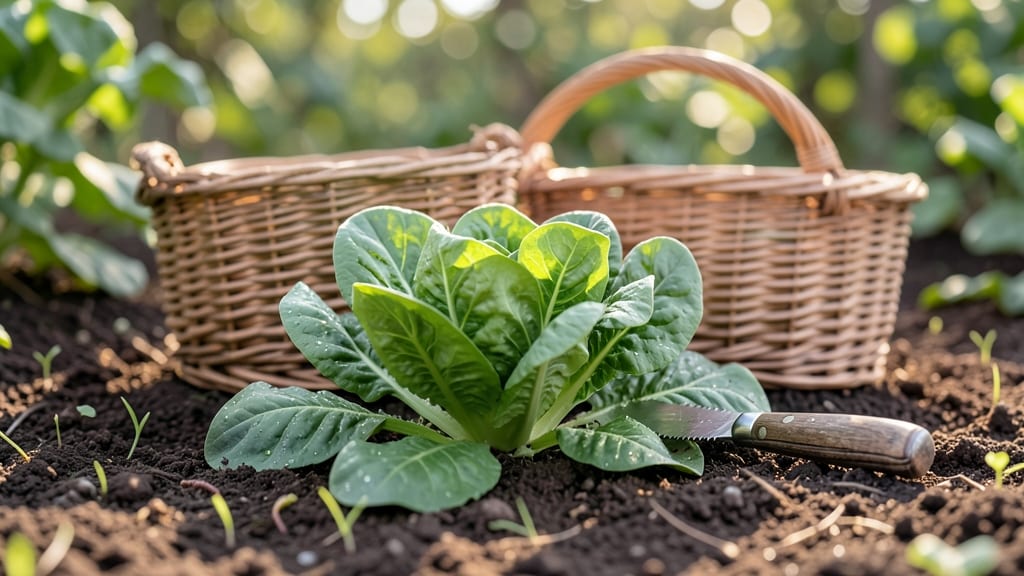
Human gardens thrive because they integrate deliberate soil preparation, precise nutrient management, and carefully controlled growing conditions—like optimized light exposure, watering schedules, and pest control—to maximize plant health and harvest quality.
Human gardens outperform wild plant growth because we actively engineer their environments. 🌱 The secret lies in understanding how plants interact with their surroundings—whether it's adjusting soil pH to unlock nutrients or strategically placing crops to deter pests.
Unlike nature, where plants compete for resources, human gardens create ideal conditions where every plant gets exactly what it needs, when it needs it.
This approach isn't just about better yields—it's about sustainability too. By rotating crops and using organic amendments, we build soil health over time, creating ecosystems where plants thrive without synthetic shortcuts. The result? Gardens that produce more food with less waste, proving that smart management beats brute force every time.
💡 In This Article
- How Soil Composition Boosts Garden Productivity
- Key Techniques for Maximizing Garden Growth
How soil composition boosts garden productivity
The foundation of any thriving garden starts with soil composition, where science meets practical gardening. Healthy soil isn't just dirt—it's a living ecosystem teeming with organic matter, beneficial microbes, and essential minerals that work together to feed plants.
When humans amend soil with compost or aged manure, they're essentially adding a nutrient-rich "food" that supports root development and microbial activity. These microbes break down organic material, releasing nutrients like nitrogen, phosphorus, and potassium in forms plants can readily absorb.
Drainage plays a critical role too. Well-amended soil maintains a balance—holding enough moisture for roots while allowing excess water to escape. Sandy soils drain too quickly, while clay holds water like a sponge, both creating stress for plants.
The ideal texture, often called loam, combines sand, silt, and clay to create a crumbly structure that retains moisture without suffocating roots. For example, adding 2-3 inches of compost to heavy clay can improve drainage by 30-40% within a season, creating an environment where roots can thrive.
pH levels determine which nutrients plants can access. Most vegetables prefer slightly acidic to neutral soil (pH 6.0-7.0), while blueberries need acidic conditions (pH 4.5-5.5). When soil pH strays too far from ideal, essential nutrients like iron or calcium become locked away, even if they're present.
Testing soil and adjusting with lime (to raise pH) or sulfur (to lower it) ensures plants get the full spectrum of nutrients they need. This precision is what transforms struggling plants into vigorous growers.
Microbial diversity is the unsung hero of productive soil. A single teaspoon of healthy garden soil contains billions of bacteria and fungi that decompose organic matter, suppress harmful pathogens, and even produce growth-promoting hormones.
When gardeners add compost or mulch, they're feeding these microbes, which in turn create a feedback loop of nutrient cycling. For instance, mycorrhizal fungi form symbiotic relationships with plant roots, extending their reach by up to 10 times and increasing nutrient absorption.
This natural partnership is what allows plants to grow stronger and more resilient.
Consider the difference between wild plants and garden vegetables: one survives with minimal resources, while the other flourishes with optimal conditions. In a garden, soil amendments create a nutrient-rich environment where roots can spread freely, access water efficiently, and resist diseases.
The result? Plants that grow faster, produce higher yields, and withstand environmental stresses like drought or pests. This is why human gardens consistently outperform wild ecosystems—they're not just growing plants, they're cultivating perfect conditions for them to thrive.