Vegetables
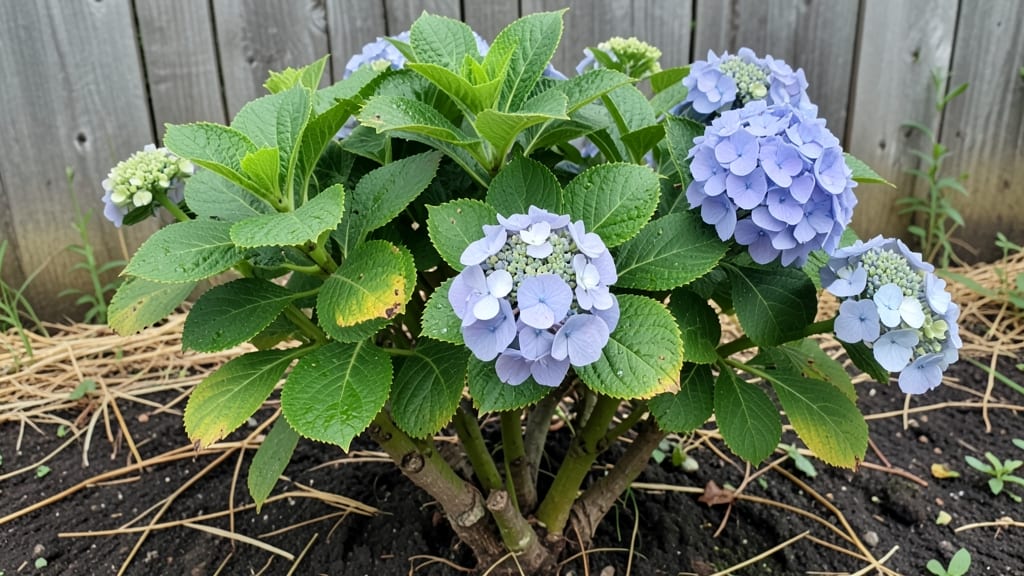
My beautiful secret gardens aren’t hidden behind a hedge—they’re tucked between two overgrown shrubs where morning light spills just right. 🌿 Year-round color and fragrance don’t require a sprawling yard; they thrive in pockets of space most people overlook.
I turned a forgotten corner into a living sanctuary where lavender, peonies, and Russian sage create a tapestry of scent and hue that lasts from spring through frost.
Here's the magic: layering perennials with different bloom times and textures creates that "always in season" effect. Start with a backdrop of evergreen shrubs or ornamental grasses, then add mid-height perennials like catmint or salvia, and top it with fragrant climbers like clematis or roses.
The key is choosing plants that love your light conditions—whether it's dappled shade or full sun—and won't fight for space.
What you'll end up with is a garden that feels like stepping into a storybook, where every visit reveals something new. The air hums with the scent of blooming roses in summer and the woody fragrance of winter jasmine in cold months.
Neighbors stop to ask where I get my "green thumb"—the secret is simply paying attention to what thrives in your own overlooked corners.
This approach works in urban backyards, suburban side yards, or even balcony planters. The only requirement is a spot that feels special to you—whether it's a shady nook, a sunny corner, or a sliver of land between fence and foundation. Let's bring that hidden potential to life.
📚 In This Guide
- What you need
- Instructions
- Tips and common mistakes
- Wrapping up and next steps
What you need
- ● Perennial plants: Choose fragrant, low-maintenance varieties like lavender, roses, peonies, or clematis (3–5 plants per section for full coverage).
- ● Soil: 2–3 cubic yards of well-draining, nutrient-rich garden soil (amend with compost for richer blooms).
- ● Mulch: 1–2 bags of organic mulch (cedar or pine) to retain moisture and suppress weeds.
- ● Fertilizer: Slow-release organic fertilizer (e.g., 10-10-10 or compost tea) for seasonal feeding.
- ○ Watering system: Drip irrigation kit or soaker hoses (optional but highly recommended for efficiency).
- ● Garden trowel or spade (for planting).
- ● Pruners (sharp, clean pair for trimming).
- ● Gloves (gardening or work gloves).
- ● Wheelbarrow (for hauling soil/mulch).
- ● Measuring tape (to plan spacing).
- ○ Optional: Trellis or arbor (for climbing plants like clematis or jasmine).
- ● Sunlight assessment: 6+ hours of sun/day for most perennials (check plant tags for specifics).
- ● Space: Minimum 4’x4’ area per plant (expand for larger gardens).
- ● Water access: Nearby hose or irrigation hookup.
- ○ Optional: Privacy screen (lattice, hedges, or decorative fencing for a "secret" feel).
How to design a year-round secret garden with fragrant perennials
Here’s how to create a lush, private retreat that blooms and perfumes every season.
🌱 Step 1: Choose a Secluded Spot with Dappled Light
Secret gardens thrive in partial shade—think 4-6 hours of morning sun with afternoon shade from trees or a fence. I always scout locations where light filters through leaves, creating that dreamy, ethereal glow. Avoid full sun, which can scorch delicate blooms like lavender or astilbe, or deep shade, where fragrant perennials like peonies or phlox won’t flourish.
Look for a 6x6-foot area (or larger if you’re ambitious) tucked behind shrubs, under an arbor, or nestled between taller plants. The goal is privacy without sacrificing light. Test your spot by placing a white sheet on the ground at different times of day—if it stays mostly shaded by midday, it’s perfect.
🪴 Step 2: Layer Soil and Mulch for Rich, Moist Roots
Remove grass or weeds, then loosen the top 6 inches of soil with a garden fork. Amend with 2 inches of compost to improve drainage and fertility—fragrant perennials like roses and gardenias demand nutrient-rich soil. I mix in a handful of slow-release organic fertilizer (like bone meal or worm castings) to give plants a steady boost.
Top with 3 inches of mulch (cypress or pine bark works best) to retain moisture and suppress weeds. Keep mulch 2 inches away from plant stems to prevent rot. This layer also keeps roots cool in summer and insulated in winter, which is key for perennials that bloom year after year.
☀️ Step 3: Plant Fragrant Perennials in Seasonal Blooms
Start with four key perennials for continuous color and scent:
- Spring: Bleeding heart (Dicentra spectabilis) for heart-shaped blooms and a light vanilla fragrance.
- Summer: Lavender (Lavandula) for silvery foliage and a calming aroma when brushed.
- Fall: Russian sage (Perovskia atriplicifolia) for spiky purple blooms and a citrusy scent.
- Winter: Winter daphne (Daphne odora) for tiny, intensely fragrant white flowers when little else blooms.
Space plants 18-24 inches apart to allow airflow (which prevents fungal diseases). Dig holes twice as wide as the root ball but no deeper—this encourages roots to spread outward. Water deeply after planting to settle the soil, then add a 1-inch layer of mulch around each plant to lock in moisture.
💧 Step 4: Water Deeply and Prune for Year-Long Beauty
Water once a week in the first month, then taper to every 10-14 days once established—fragrant perennials hate soggy roots. I check soil moisture by pushing a finger 2 inches deep; if it’s dry, it’s time to water. In summer, add morning watering to prevent evaporation and fungal issues.
Prune spent blooms right after flowering (e.g., cut back lavender after summer blooms to encourage next year’s growth). In late winter, trim back one-third of the oldest stems to make room for new growth. This keeps your secret garden tidy and encourages lush, fragrant reblooms.
✂️ Step 5: Add Finishing Touches for Magic
Weave in climbing roses (like Rosa ‘New Dawn’) along a trellis or fence for a romantic touch. Their blooms release a heady perfume in late spring and early summer. Scatter fragrant ground covers like sweet woodruff (Galium odoratum) for a carpet of tiny white flowers that smell like vanilla when crushed.
Finally, add a stone path or wooden bench to invite lingering. I like to place a small fountain or birdbath—the sound of water enhances the garden’s tranquil vibe. Lightly scent the air with lavender sachets tucked into pockets of mulch for an extra whiff of fragrance on warm days.
Tips & tricks for perfect secret gardens
Creating a fragrant perennial garden that thrives year-round takes a few key insights I wish I'd known earlier. These tricks will help you avoid common pitfalls and create a space that truly feels like a secret retreat.
Location is Everything: When testing your 6x6-foot spot, observe it for a full week before planting. Morning sun patterns change with seasons—what looks perfect in spring might become too hot in summer. I always mark the area with stakes at different times of day to track how sunlight shifts. This prevents the disappointment of plants struggling later in the season.
Soil Preparation Secret: Don't skimp on the 2 inches of compost in Step 2—this is where flavor (or fragrance, in this case) really develops. I like to mix in a handful of coffee grounds with the compost for extra nitrogen, especially if your soil is sandy. The mulch layer is equally crucial: keep it consistently 3 inches thick, but remember to refresh it every spring as it breaks down. This maintains that perfect moisture balance without suffocating roots.
Planting Strategy: The 18-24 inch spacing in Step 3 might seem generous, but trust me—crowded plants lead to fungal issues and weaker fragrance. I always plant in a staggered pattern, placing taller plants like Russian sage at the back and shorter ones like sweet woodruff in front. This creates natural layers that enhance both the visual appeal and scent diffusion when you walk through the garden. The twice-as-wide holes really do make a difference—roots spread outward, creating stronger, more resilient plants.
Watering Wisdom: That first month of weekly watering is critical, but here's what nobody tells you: the 2-inch deep soil check works best in the morning. Evening moisture can lead to fungal problems, especially with fragrant perennials that often have soft foliage. I set a timer on my phone for the same time each morning to maintain consistency—this garden thrives on routine.
Pro Tips for Beautiful Secret Gardens
- Creating a fragrant perennial garden that thrives year-round takes a few key insights I wish I'd known earlier.
- Location is Everything: When testing your 6x6-foot spot, observe it for a full week before planting.
- Soil Preparation Secret: Don't skimp on the 2 inches of compost in Step 2—this is where flavor (or fragrance, in this case) really develops.
Frequently asked questions
Got questions about creating your own beautiful secret gardens? You’re not alone—many gardeners wonder how to keep these fragrant, colorful spaces thriving year-round. Here are some answers to common queries to help you get started!
How do I choose the right perennials for a secret garden?
Opt for fragrant, low-maintenance perennials like lavender, roses, peonies, or hydrangeas. Consider your climate, sunlight, and soil type—most secret gardens thrive in partial shade with moist, well-draining soil. Native plants are a great choice for sustainability and resilience!
When is the best time to plant perennials for year-round color?
Spring and early fall are ideal! Plant in spring after the last frost for summer blooms, or in early fall (6-8 weeks before frost) to establish roots before winter. Avoid planting in extreme heat or cold. Pro tip: Mulch after planting to retain moisture and protect roots.
How often should I water a secret garden?
Water deeply 1-2 times per week, depending on rainfall and soil type. Newly planted perennials need more frequent watering (every 2-3 days) until established. Morning watering reduces evaporation and fungal risks. Use a drip irrigation system for efficiency!
What’s the best way to keep pests and diseases away?
Prevent pests with healthy soil, proper spacing, and organic mulch. Monitor for aphids, slugs, or powdery mildew early. Use neem oil or companion planting (like marigolds) to deter pests naturally. Remove diseased leaves promptly to avoid spread.
Can I create a secret garden in a small space, like a balcony or courtyard?
Use containers, vertical gardens, or raised beds to maximize space. Choose compact perennials like dwarf lavender, creeping thyme, or mini roses. Even a single large pot can become a fragrant, colorful oasis!
Wrapping up and next steps
Creating a year-round oasis of color and fragrance with fragrant perennials isn’t just a dream—it’s a rewarding journey that brings joy to your senses and your soul. 🌸 Whether you’re a seasoned gardener or just starting, these secret gardens prove that beauty thrives with patience and passion.
Now that you’re armed with the right plants, tips, and answers, why not take the next step?
Start small—pick one fragrant perennial to plant this weekend or sketch a cozy corner for your dream garden.
Share your progress with fellow plant lovers or tag us in your blooming masterpiece! 🌿 The most beautiful gardens grow from curiosity and care—yours could be the next hidden treasure waiting to be discovered.