Container Gardens
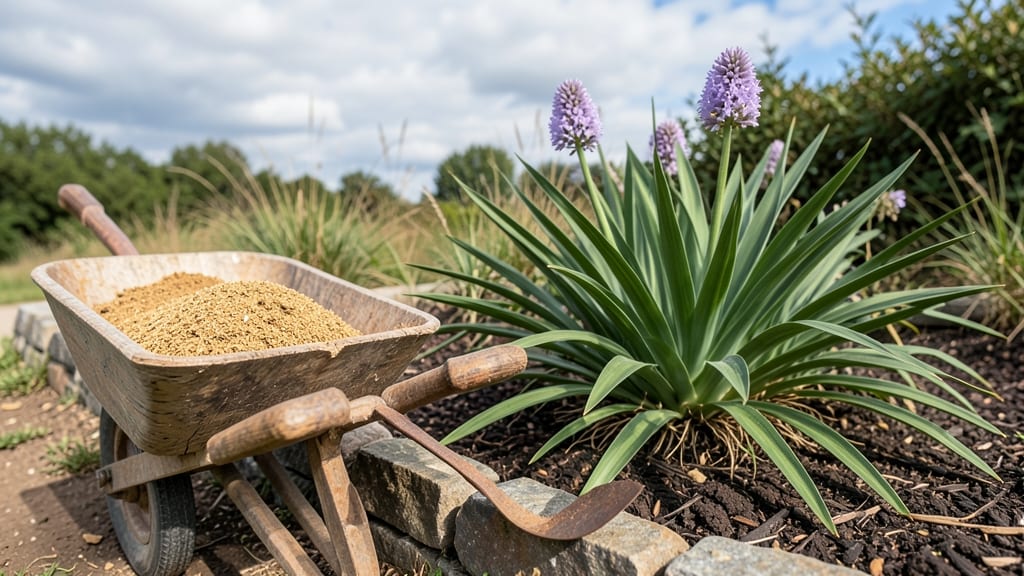
Adding sawdust to garden beds enhances soil structure by improving aeration and water-holding capacity while decomposing into organic matter, though overuse can drain nitrogen and disrupt soil pH balance.
Sawdust acts as a slow-release soil amendment, breaking down over months to create a spongy texture that holds moisture while preventing compaction. 🌱 The key is balance—too much creates a nitrogen sink, starving plants, while the right amount feeds beneficial microbes.
I've seen hardwood sawdust work wonders in raised beds, but softwood varieties can acidify soil over time, so always test your local options first.
For best results, mix sawdust with compost or aged manure to offset nitrogen depletion, and limit applications to 1-2 inches per season. Vegetable gardens and perennial beds benefit most, while delicate seedlings or newly planted areas should avoid it entirely.
💡 In This Article
- How Sawdust Breaks Down and Impacts Soil Health
- Best Practices for Adding Sawdust to Garden Soil
How sawdust breaks down and impacts soil health
Sawdust decomposition kicks off when soil microbes—especially fungi and bacteria—break down the cellulose and lignin in wood fibers. The process starts slowly because sawdust has an extremely high carbon-to-nitrogen (C:N) ratio of about 500:1 to 800:1, meaning it contains very little nitrogen for microbes to feed on.
This creates what's called a "nitrogen sink," where microbes consume available nitrogen in the soil just to decompose the sawdust, potentially starving your plants of this essential nutrient. 🔥
Hardwood sawdust (from oak, maple, or beech) decomposes more slowly than softwood (pine or cedar) because its dense structure resists microbial breakdown. Hardwoods typically take 6-12 months to fully decompose, while softwoods break down in 3-6 months.
The difference matters: softwoods also release more acidic compounds, which can lower soil pH over time—sometimes dropping from neutral 6.5-7.0 to acidic 5.0-5.5 in heavy applications. This acidification can harm plants like tomatoes and peppers that prefer slightly alkaline conditions.
As sawdust decomposes, it transforms into humus—a dark, spongy organic matter that improves soil structure by creating tiny air pockets. These pockets enhance aeration, which is why gardeners notice healthier root systems in sawdust-amended beds.
However, the process releases very little nitrogen directly, so plants rely on stored soil nitrogen during this transition. That's why pairing sawdust with nitrogen-rich amendments like compost or blood meal is critical for maintaining plant vigor. 💛
Microbes play a starring role in this transformation. Fungi like mycorrhizae form symbiotic relationships with plant roots, while bacteria break down simpler compounds. The breakdown releases beneficial organic acids that help dissolve minerals in the soil, making them more available to plants.
Over time, this creates a more fertile environment—but only if you've balanced the nitrogen demand. Think of it like feeding a hungry crowd: you need to provide enough protein (nitrogen) to keep everyone satisfied while they digest the carb-heavy sawdust.
One surprising benefit is sawdust's ability to suppress weeds. The thick, mulch-like layer blocks sunlight from reaching weed seeds, while its slow decomposition means you won't need to reapply as often as with straw or grass clippings.
For container gardens, mixing 1 part sawdust with 2 parts compost creates an ideal growing medium that retains moisture without becoming waterlogged. The key is patience—rushing the process by adding too much can create an anaerobic (oxygen-poor) environment that smells like rot and harms roots. ✨
Here's what most gardeners overlook: sawdust's pH impact varies dramatically by wood type. Cedar sawdust, for example, contains natural oils that act as a mild fungicide, while pine sawdust can create a more acidic environment that favors blueberries but harms most vegetables.
Always test your soil pH before adding sawdust, and consider using hardwood varieties for vegetable gardens where you want to maintain neutral pH levels. The right application can turn sawdust from a waste product into one of your garden's most valuable amendments. 🌱