Tools
Creating a backyard secret garden transforms your outdoor space into a serene escape where you can unwind and reconnect with nature. I stumbled upon this idea after realizing my backyard could be more than just a patch of grass—it could be a lush, private retreat just steps from my door.
The key is blending dense foliage with fragrant flowers and climbing vines to create a living curtain that blocks views and noise while inviting you deeper into the space.
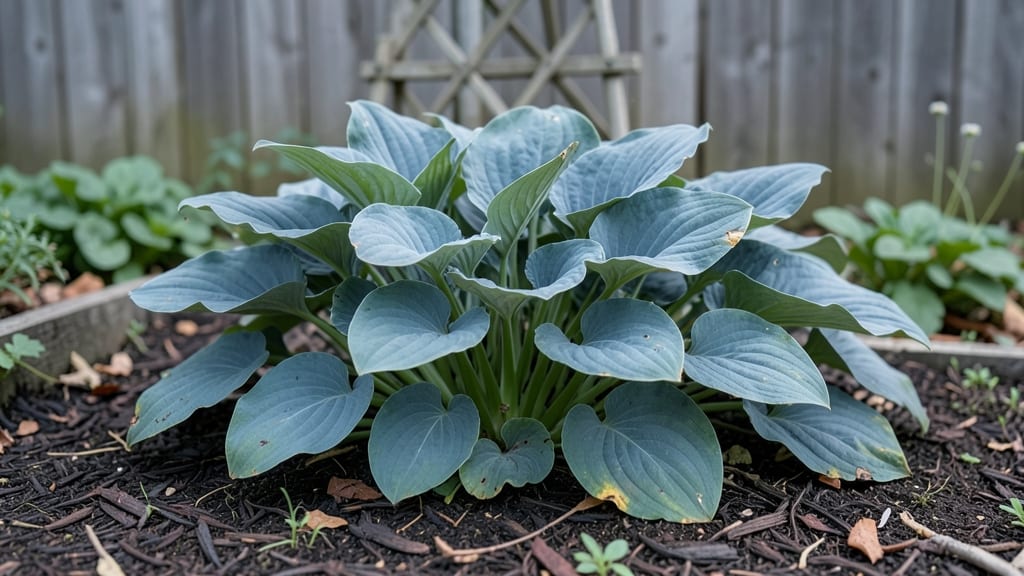
The magic lies in low-maintenance plants like hostas, ferns, and boxwoods that thrive in shade, paired with evergreen shrubs for year-round structure. Add a trellis or arbor draped in climbing roses or clematis to soften the space and draw the eye upward.
A cozy seating nook with weather-resistant cushions turns it into a perfect spot for morning coffee or quiet reading—your own private sanctuary in the heart of your yard.
By summer, you’ll be surrounded by the intoxicating scent of jasmine and the rustling of leaves, while autumn brings rich foliage colors and the crunch of fallen leaves underfoot. Even in winter, evergreens keep the space vibrant, and the sound of wind through branches adds to the charm.
This isn’t just a garden—it’s a transformation of your backyard into a place of peace and beauty.
Whether you have a small corner or a sprawling yard, the principles stay the same: layer plants for depth, mix textures, and let nature do the work.
Start small, experiment with what thrives in your space, and soon you’ll have a secret garden that feels like a hidden world just for you.
📚 In This Guide
- What you need
- Instructions
- Tips and common mistakes
- Wrapping up and next steps
What you need
- ● Fencing or Privacy Screens: 10–20 ft of lattice panels, bamboo rolls, or trellis kits (depending on garden size)
- ● 4–6 wooden posts (4x4 inches, 6–8 ft tall) or metal stakes
- ● Outdoor-rated screws/nails and a drill/driver
- ● Soil & Planting Supplies: 2–3 bags of high-quality garden soil (20–30 lbs each)
- ● Organic compost or peat moss (1–2 bags)
- ● Slow-release fertilizer (e.g., 10-10-10, 1 lb per 100 sq ft)
- ● Mulch (cedar or pine, 2–3 bags)
- ● Plants for Year-Round Greenery: 5–10 shrubs (e.g., boxwood, hydrangea, or dwarf lilac)
- ● 3–5 climbing plants (e.g., ivy, jasmine, or clematis)
- ● 1–2 ground covers (e.g., creeping thyme or pachysandra)
- ○ Optional: 1–2 small trees (e.g., Japanese maple or ornamental cherry)
- ● Basic Tools: Trowel or hand shovel
- ● Pruners (bypass or anvil type)
- ● Garden gloves (2 pairs)
- ● Wheelbarrow or large bucket
- ● Measuring tape and stakes
- ● String lights or solar-powered path lights (for ambiance)
- ● Decorative stones, pebbles, or stepping stones (1–2 bags)
- ● Arbor or pergola kit (for climbing plants and shade)
- ● Birdbath or small water feature (adds serenity!)
- ● Weather-resistant benches or seating (e.g., Adirondack chairs)
Instructions for designing your backyard secret garden
Transforming your backyard into a lush, private retreat is simpler than you think—just follow these steps.
Choose the Perfect Location
Find a spot that gets at least 4-6 hours of sunlight daily but also offers natural shade in the afternoon. I like to pick an area near a fence or corner where the existing landscape provides a subtle backdrop. Check the space at different times of day—morning sun warms the garden, while afternoon shade keeps plants from drying out too quickly.
Look for a level or gently sloping area to avoid water pooling after rain. If your yard has uneven ground, consider building a small raised bed or mound to create a cozy seating nook. This also helps with drainage and prevents soggy roots. Measure the space carefully—you’ll want enough room for plants to grow without crowding, plus space for a bench or two later on.
Clear and Prepare the Soil
Remove any grass, weeds, or debris from the chosen area using a shovel or garden fork. I dig out the top 6 inches of soil and sift through it to remove rocks and roots. This ensures your plants have room to grow without competing with unwanted vegetation. If the soil feels hard or compacted, mix in 2-3 inches of compost to improve drainage and fertility.
For a richer, more vibrant garden, I often add a layer of mulch after planting to retain moisture and suppress weeds. Spread it evenly, leaving a 2-inch gap around the base of any plants to prevent rot. This step is especially important if your garden will include delicate ferns or shade-loving plants that need consistent moisture.
Select Privacy-Focused Plants
Choose a mix of evergreens, flowering shrubs, and climbing vines to create year-round privacy. I recommend starting with 3-5 tall shrubs like arborvitae or hydrangeas as your foundation—they provide structure and grow quickly. Add 2-3 climbing plants like clematis or ivy to train along trellises or fences for extra coverage.
For a softer, more natural look, incorporate low-growing ground covers like creeping jenny or pachysandra. These fill in gaps and keep weeds at bay. Space plants according to their mature size—check the tags for guidance, but a good rule is to plant shrubs 3-5 feet apart and smaller plants 1-2 feet apart. This ensures they have room to spread without overcrowding.
Add Seating and Decorative Touches
Place a small bench or pair of Adirondack chairs in the center of your garden for a cozy spot to relax. I like to position them where you can enjoy the greenery while still feeling secluded. Add a weather-resistant rug or stepping stones to define pathways and make the space feel intentional. These details tie everything together and make the garden feel like a true retreat.
Incorporate subtle lighting with solar-powered path lights or string lights draped along a trellis. This not only enhances the ambiance but also makes the garden usable in the evening. For extra charm, add a small water feature like a bubbling stone fountain—it creates a soothing soundtrack and attracts birds. Keep it simple; the goal is to blend these elements naturally into the landscape.
Maintain for Long-Term Beauty
Water deeply 2-3 times per week during the first growing season to help roots establish. Once plants are mature, most will only need watering during dry spells. I check the soil by sticking my finger 1 inch down—if it feels dry, it’s time to water. Avoid wetting the leaves of broadleaf plants to prevent fungal diseases.
Prune plants in early spring or late fall to encourage bushier growth. Remove any dead or overgrown branches, and shape shrubs gently to maintain their form. A little regular care keeps your secret garden looking lush and inviting year after year. With time, your space will feel like a hidden oasis—perfect for unwinding or enjoying quiet moments outdoors.
Tips & tricks for perfect backyard secret garden
A few simple strategies will help you create a thriving, private garden that feels like a true escape.
Location Strategy: When evaluating sunlight in Step 1, observe your yard at different times of day—morning sun is ideal for most plants, but afternoon shade becomes crucial in summer. I've found that areas near north-facing fences often provide the perfect balance of morning warmth and afternoon shade. If your yard has limited sunlight, consider shade-tolerant plants like hostas or ferns to fill in gaps.
Soil Preparation Tip: In Step 2, don't skip the soil sifting process—it makes all the difference for root health. I use a simple garden fork to loosen the top 6 inches of soil, then sift out rocks and debris through a large mesh bag. This creates a perfect planting environment where roots can spread easily. For clay-heavy soils, add extra compost to improve drainage, and for sandy soils, mix in some peat moss to retain moisture.
Plant Placement: The spacing recommendations in Step 3 are crucial for long-term success. When planting your 3-5 foundation shrubs, imagine their mature size—most arborvitae will reach 10-15 feet tall, so give them plenty of room. I like to create a semi-circle arrangement with taller plants at the back and shorter ones in front. This not only looks beautiful but also allows sunlight to reach all plants throughout the day.
Maintenance Shortcut: For Step 5's watering routine, I've found that installing a simple drip irrigation system saves time and ensures consistent moisture. Set it to water deeply 2-3 times per week during the first season, then adjust based on rainfall. The key is to water at the base of plants rather than overhead—this prevents fungal diseases and keeps leaves dry, which is especially important for broadleaf plants.
Pro Tips for Backyard Secret Garden
- A few simple strategies will help you create a thriving, private garden that feels like a true escape.
- Location Strategy: When evaluating sunlight in Step 1, observe your yard at different times of day—morning sun is ideal for most plants, but afternoon shade becomes crucial in summer.
- Soil Preparation Tip: In Step 2, don't skip the soil sifting process—it makes all the difference for root health.
Frequently asked questions
Got questions about creating your own backyard secret garden? You’re not alone! Here are some of the most common queries—and their answers—to help you get started with confidence.
What’s the best time of year to start a secret garden?
The ideal time depends on your climate! In mild zones, spring or early fall is perfect—soil is workable, and plants establish roots before extreme heat or cold. In colder regions, wait until after the last frost (usually late spring). If you’re planting perennials, focus on early spring for maximum growth.
How do I keep my secret garden private without blocking sunlight?
Use semi-sheer fabrics like bamboo screens, lattice panels, or climbing vines (e.g., clematis or jasmine) to add privacy while allowing light through. For denser coverage, try ornamental grasses or tall shrubs like arborvitae. A mix of both creates a magical, airy feel!
Do I need special tools for a secret garden?
Not necessarily! Basic tools like a shovel, pruners, and gloves work for most projects. For intricate designs (e.g., trellises or layered plantings), consider a hand trowel, kneeling pad, and measuring tape. Rent or borrow heavy-duty tools like a rototiller if your space is large.
What are the easiest low-maintenance plants for a secret garden?
Opt for drought-tolerant perennials like hostas, ferns, or lavender for lush greenery with minimal fuss. Evergreen shrubs (e.g., boxwood or holly) provide year-round privacy. For height, try bamboo or ornamental grasses—they’re hardy and require little pruning.
How do I fix overgrown or messy secret garden areas?
Start by pruning dead or invasive plants first. For tangled vines, use sharp shears to trim back to healthy growth. Add mulch to suppress weeds, and consider edging tools to define pathways. A little elbow grease + seasonal upkeep keeps your garden looking intentional!
Wrapping up and next steps
A backyard secret garden isn’t just a dream—it’s a tangible, tranquil escape waiting to unfold. By blending lush greenery, strategic privacy screens, and thoughtful design, you’ve got the blueprint for a year-round sanctuary that feels like a hidden world. 🌿✨
Ready to turn your vision into reality? Start small—pick one corner of your yard and begin planting, or sketch a layout with the materials you’ve gathered. Every step brings you closer to your own little slice of serenity. What’s the first plant or feature you’ll add?