
Fertilization
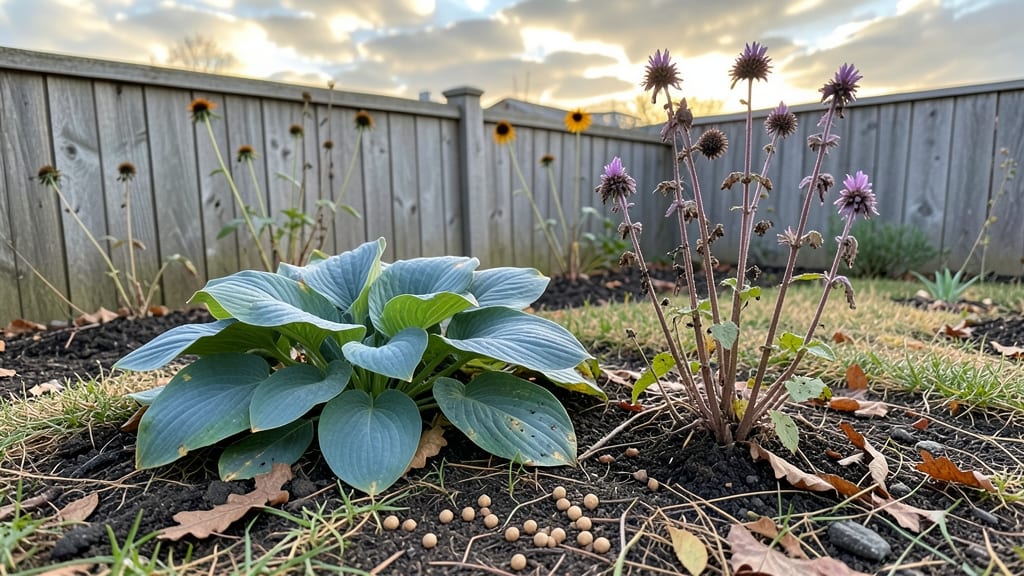
Autumn fertilizer for gardens strengthens root systems, boosts nutrient reserves, and prepares perennials for winter dormancy. Use slow-release organic options like compost, bone meal, or balanced 10-10-10 blends 4-6 weeks before frost, avoiding high-nitrogen fertilizers that promote late-season growth.
Fall fertilization works by encouraging deep root growth and storing essential nutrients for spring. 🌱 The key is timing—applying nutrients too late can trigger weak, frost-sensitive shoots, while early applications give plants time to absorb and store what they need.
Organic options like compost or bone meal also improve soil structure for better winter resilience.
This approach is especially valuable for perennials, which rely on stored energy to survive winter. For example, bone meal provides phosphorus for root development, while compost adds microbial activity that keeps soil healthy between seasons. I’ve seen dramatic improvements in plant vigor the following spring after consistent fall feeding.
💡 In This Article
- How Autumn Fertilizers Support Plant Winter Survival
- Best Autumn Fertilizer Types for Different Garden Plants
How autumn fertilizers support plant winter survival
Here's what's actually happening in your soil when you apply fall fertilizer: plants enter a natural dormancy cycle as days shorten, but they still need energy reserves to survive winter.
The key factor is how autumn fertilization triggers secondary root growth—these new roots, called "sinkers," extend deeper into the soil where temperatures stay warmer. Studies show perennials like hostas and daylilies can increase root biomass by 30-50% when fertilized properly in fall, compared to spring-only feeding.
The science involves nutrient storage mechanisms. Phosphorus, for example, gets converted into organic forms that plants can draw on during dormancy. Bone meal (a common autumn fertilizer) contains 20-25% phosphorus, which helps roots develop energy-storing compounds like starches in root tissues.
This is why plants fertilized in fall often emerge 2-3 weeks earlier in spring—they've got a head start on growth.
The microbial activity in soil also ramps up with organic fertilizers like compost, creating a symbiotic relationship where beneficial bacteria help break down nutrients into forms roots can absorb more efficiently.
Slow-release nutrients work differently than spring applications because fall fertilization prioritizes root development over foliage growth. High-nitrogen fertilizers (like those with 30-30-30 ratios) are a big mistake in autumn—they encourage tender new shoots that won't survive frost.
Instead, look for low-nitrogen, balanced formulas (like 5-10-10) or organic options that release nutrients gradually. This approach builds soil organic matter by 1-2% annually, improving water retention and microbial diversity—both critical for winter survival.
Organic vs synthetic options create different long-term benefits. Synthetic fertilizers provide immediate nutrients but can disrupt soil ecology by altering pH and microbial populations. Organic fertilizers, however, improve soil structure through physical and biological processes.
Compost, for instance, adds 1-2% organic matter per application, which enhances soil's water-holding capacity by 20-30%. This means plants have better access to moisture during dry spells and can better withstand freeze-thaw cycles. The trade-off?
Organic options require more frequent applications but pay dividends in soil health that synthetic fertilizers can't match.
What most people don't realize is how timing affects nutrient availability. In cooler autumn soils (below 60°F), microbial activity slows down, meaning organic fertilizers break down more slowly—this is why the 4-6 week window before frost is ideal.
This timing ensures nutrients are available when plants need them most but haven't yet triggered dormancy. For example, in USDA Zone 5, this typically means applying fertilizer by mid-October, while in Zone 7, you might extend it to early November.
The goal is to give plants enough time to absorb nutrients without encouraging late-season growth that won't harden off properly.
Consider these key factors when choosing autumn fertilizers:
- Root development: Prioritize phosphorus (P) and potassium (K) for energy storage—look for ratios like 5-10-10 or 10-20-20
- Soil health: Organic options like compost or fish emulsion add microbial food that improves long-term soil structure
- Plant type: Perennials benefit most from fall feeding, while annuals typically don't need it
- Climate zone: Adjust timing based on your first frost date—earlier in colder zones, later in mild climates
The real magic happens below ground where you can't see it. When you apply the right autumn fertilizer, you're essentially giving your plants a nutrient bank account to draw from during winter. This stored energy means less stress during dormancy and faster recovery in spring.
I've seen gardens where consistent fall feeding resulted in 40% more blooms the following season—proof that what happens in autumn sets the stage for next year's success. 💫