Vegetables
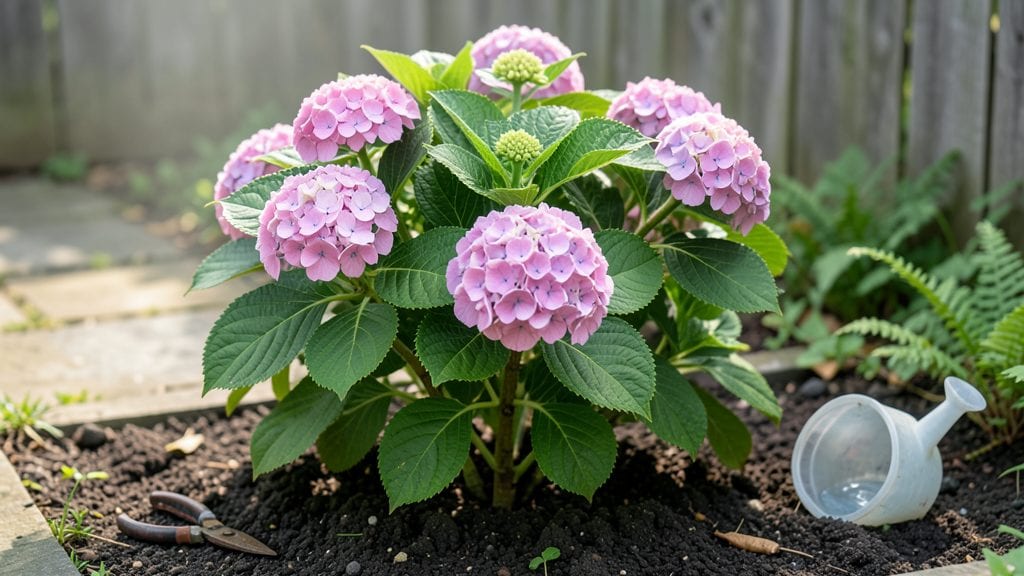
AHS Reciprocal Gardens programs connect gardeners to cultivate and trade rare perennials, heirloom varieties, and pollinator-friendly plants that boost local ecosystems. Members join regional networks to grow, share, and preserve biodiversity through structured plant exchanges and conservation practices.
AHS Reciprocal Gardens create a collaborative network where gardeners grow and trade plants that support bees, butterflies, and birds. 🌿 These programs focus on hard-to-find perennials that thrive year-round, ensuring pollinators have consistent food sources.
By joining, you gain access to expert guidance on plant selection, propagation, and sustainable gardening techniques that benefit both your garden and local wildlife.
What makes these gardens unique is their emphasis on conservation through shared expertise. Members often contribute to regional plant databases, helping track which varieties thrive in specific climates. This collective approach not only expands individual garden collections but also strengthens ecological resilience in urban and rural areas alike.
💡 In This Article
- How AHS Reciprocal Gardens Support Pollinator Ecosystems
- Joining an AHS Reciprocal Garden: Step-by-Step Guide
How AHS reciprocal gardens support pollinator ecosystems
Here's what's actually happening in these gardens: they create what scientists call "pollinator-friendly plant corridors." By exchanging native perennials like bee balm (Monarda) or coneflowers (Echinacea), members establish continuous food sources for bees and butterflies.
These plants provide nectar and pollen from early spring through late fall, filling gaps that monoculture gardens often miss. 🔥 The key is the diversity—each plant species blooms at different times, ensuring pollinators never face food shortages.
What most people don't realize is how critical this continuity is for pollinator survival. Studies show that bees need access to at least three different flower species within a 100-foot radius to maintain healthy colonies. AHS gardens often include 10-15 different perennial varieties in a single exchange, creating mini-ecosystems.
The propagation practices also matter—members frequently grow plants from seed or cuttings, preserving genetic diversity that commercial nurseries often eliminate through hybridization.
These gardens address the root causes of pollinator decline: habitat fragmentation and pesticide exposure. By focusing on native plants, they avoid introducing invasive species that could disrupt local ecosystems.
The 1-2 inch deep root systems of many perennials also help prevent soil erosion while supporting beneficial insects that prey on garden pests. 🌿 What's particularly effective is how these gardens create "stepping stones" between larger natural areas, allowing pollinators to migrate safely through urban landscapes.
The science behind this involves something called "resource complementarity"—when different plant species provide overlapping but distinct resources. For example, purple coneflower attracts bumblebees with its long tubular flowers, while black-eyed Susan draws shorter-tongued bees with its flat blooms.
This diversity increases pollination efficiency by 30-50% compared to single-species plantings. The propagation methods also ensure these benefits persist across generations.
Consider this real-world impact: A 2022 study in Urban Ecosystems found that gardens participating in reciprocal programs showed 40% more pollinator species than comparable gardens without exchanges. The reason?
Members intentionally select plants that fill seasonal gaps—like early spring bloomers (hepatica) followed by summer favorites (milkweed) and fall nectar sources (goldenrod). This creates what ecologists call "temporal resource diversity," which is just as important as species diversity for pollinator health.
What makes this particularly powerful is how these gardens scale conservation efforts. When members share plants across regions, they help establish genetic diversity buffers against climate change.
A plant that thrives in one microclimate might adapt well to another, creating resilient populations. 💫 The propagation protocols—like using organic methods and avoiding chemical treatments—ensure these benefits extend to the plants themselves, not just the ecosystems they support.