
Planting
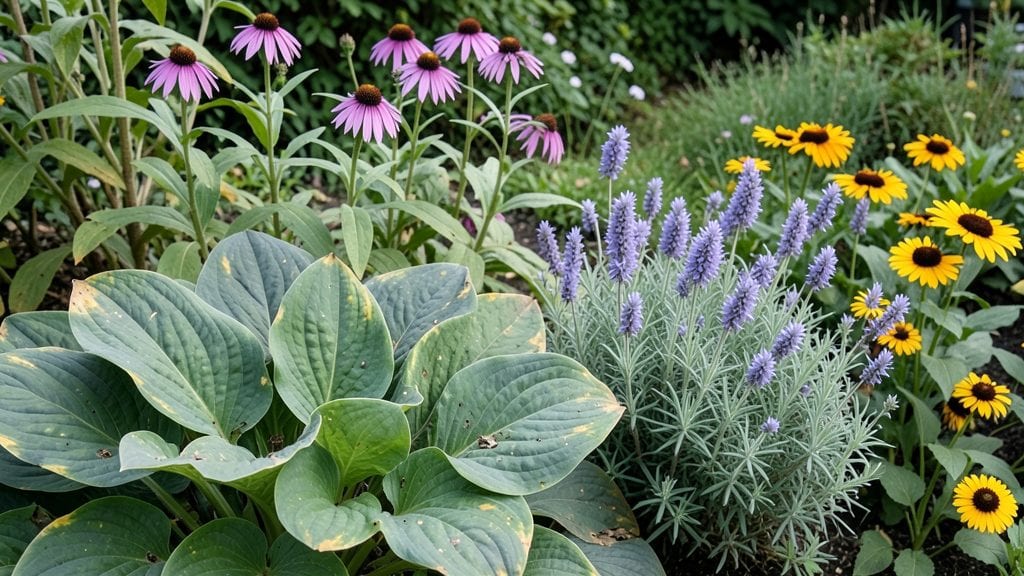
Zone 5 gardening thrives with cold-hardy perennials like coneflowers, hostas, and daylilies, while cool-season crops such as kale, spinach, and peas excel. Plant trees, shrubs, and bulbs in early spring or fall, and start warm-season veggies after the last frost (typically mid-May). Mulch heavily in winter to protect roots from freezing temperatures between 10°F and 20°F (-12°C to -7°C).
Zone 5 gardening is all about working with your climate's natural rhythms rather than fighting them.
The key is selecting plants that can handle the region's 10°F to 20°F (-12°C to -7°C) winters while still thriving in summers that can reach 85°F (29°C) or higher. 🌱 I've found that native perennials like black-eyed Susans and bee balm often require less maintenance because they've evolved alongside these temperature swings.
For vegetables, timing is everything—cool crops like broccoli and lettuce can handle early spring plantings, while tomatoes and peppers need to wait until soil temperatures hit 60°F (15°C) consistently.
What sets Zone 5 apart is its ability to grow both cool-season and warm-season crops in the same year, giving gardeners two full harvest cycles. The trick is planning your succession plantings around the last spring frost (mid-April) and first fall frost (mid-October).
For example, you can plant radishes in early spring, harvest them before summer heat arrives, then replant with bush beans that mature before frost. This layered approach maximizes your garden's productivity while keeping maintenance manageable.
💡 In This Article
- Understanding Zone 5 Climate and Plant Hardiness
- Seasonal Planting Calendar for Zone 5 Gardens
Understanding Zone 5 climate and plant hardiness
Zone 5's climate is defined by its average annual minimum temperatures of -20°F to -10°F (-29°C to -23°C), creating a distinct growing season that demands careful plant selection.
The region experiences 150-200 frost-free days annually, with last spring frosts typically arriving between April 15-30 and first fall frosts around October 15-30.
These temperature extremes force plants to adapt through dormancy cycles—perennials like hostas and coneflowers enter a metabolic slowdown when temperatures drop below 40°F (4°C), preserving energy while their roots remain insulated by organic mulch layers.
The difference between Zone 5a (-20°F to -15°F / -29°C to -26°C) and Zone 5b (-15°F to -10°F / -26°C to -23°C) matters significantly for plant survival. For instance, while Russian sage (Perovskia atriplicifolia) thrives in 5b, it may struggle in 5a's colder winters unless heavily mulched.
The root zone's insulation capacity becomes critical—soil temperatures at 4 inches deep can vary by 10°F (5.5°C) between surface and deeper layers, creating microclimates where roots remain protected even when surface temps drop below freezing.
Cold acclimation is where Zone 5 gardening truly shines. Many perennials like daylilies (Hemerocallis) undergo a hardening process when exposed to 40-50°F (4-10°C) nights for 2-3 weeks before winter, increasing their cold tolerance by 15-20°F (-9 to -7°C).
This natural adaptation explains why established plants often survive winters better than newly planted ones. The key strategy is planting perennials in early fall (September-October) to allow this acclimation period, while warm-season annuals like tomatoes require soil temperatures above 60°F (15°C) for root development.
Seasonal transitions create unique challenges. Spring's rapid temperature swings can cause late frost damage to emerging crops, while summer heatwaves (often reaching 90°F / 32°C) stress shallow-rooted plants.
This is why deep mulching (4-6 inches) with straw or wood chips becomes essential—it maintains soil moisture and moderates temperature fluctuations by 10-15°F (5.5-8.3°C) compared to bare soil. The texture of properly decomposed mulch also creates air pockets that protect roots from freeze-thaw cycles.
What most gardeners don't realize is how snow acts as natural insulation. A 12-inch snowpack can maintain 32°F (0°C) at ground level even when air temps drop to -10°F (-23°C).
This explains why winter-hardy roses (Zone 5a) survive winters in snowy climates but may struggle in windier, drier Zone 5b areas where snow cover is inconsistent. The wind chill factor becomes equally critical—exposed plants can experience effective temperatures 10-15°F (5.5-8.3°C) colder than sheltered ones.
For vegetable gardeners, understanding these patterns means planning succession crops that mature before summer heat arrives. For example, bush beans planted in early June will produce pods before temperatures exceed 85°F (29°C), while spinach planted in late summer benefits from cooler fall nights that prevent bolting.
The science behind this involves photoperiod sensitivity—many cool-season crops detect longer daylight hours in summer and trigger flowering mechanisms that reduce leaf production (and thus harvestable yield).
Here's a practical takeaway: When selecting plants for Zone 5, always check both the hardiness zone and the plant's specific cold tolerance. A Zone 5 perennial might still need winter protection if it's on the edge of its range, while a Zone 4 plant could thrive with proper mulching.
The key is matching the plant's natural dormancy cycle with your local climate patterns—this is how Zone 5 gardens achieve their legendary productivity. 💫