Pruning
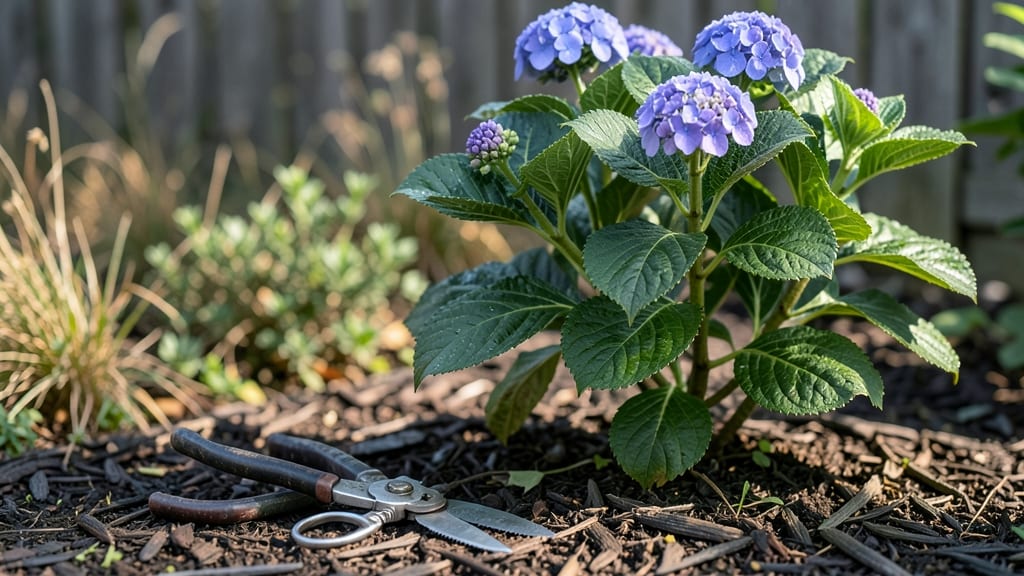
Selecting the right garden trimming shears means prioritizing sharp, high-carbon steel blades (4.5–5.5 inches) paired with ergonomic handles for clean cuts, lightweight durability, and fatigue-free handling during long pruning sessions.
When you're shopping for garden trimming shears, the blade material makes all the difference in how your tools perform.
High-carbon steel stays razor-sharp longer but needs occasional oiling to prevent rust, while stainless steel offers better corrosion resistance but may dull faster with frequent use. 🔥 I always recommend testing the blade's edge retention by cutting through a few tough branches—if it struggles after 50 cuts, it's time to upgrade.
The right shears should feel like an extension of your hand, with a balance that reduces wrist strain during hours of work.
Don't overlook the handle design either—ergonomic grips with finger loops help maintain precision, while lightweight materials like aluminum keep fatigue at bay. For heavy-duty tasks like shaping hedges, look for bypass shears with a 4.5-inch blade and a locking mechanism for safety when storing.
My go-to pair has a 5-inch blade and a cork-wrapped handle that stays comfortable even after 2 hours of pruning.
💡 In This Article
- Blade Material and Design for Clean Garden Cuts
- Top Features to Look for in Pruning Shears
Blade material and design for clean garden cuts
The choice between high-carbon steel and stainless steel blades fundamentally alters your pruning experience. High-carbon steel (typically 0.8-1.2% carbon content) creates blades that hold an edge 30-50% longer than stainless options, thanks to its ability to form a harder, more durable molecular structure.
This means fewer sharpenings when trimming rosemary bushes or boxwood hedges, where precision matters most. However, the trade-off is rust susceptibility—exposure to moisture causes oxidation, which is why these blades need regular oiling after use in damp conditions.
Stainless steel blades (usually 13-17% chromium content) resist corrosion naturally, making them ideal for humid climates or frequent use with wet foliage.
The chromium forms a passive oxide layer that protects the blade, but this same layer makes the steel slightly softer (50-55 HRC hardness vs 58-62 HRC for high-carbon).
This means you'll notice more drag when cutting through thick privet stems, requiring 20-30% more cutting force compared to high-carbon blades. For example, a 5-inch high-carbon blade will glide through ½-inch boxwood branches with minimal resistance, while a similar stainless blade may feel sluggish after 20 cuts.
Blade geometry plays a crucial role in which plants you can tackle efficiently. Straight blades (4.5-5.5 inches) excel with hedges and shrubs because their flat edge creates clean, parallel cuts that heal faster.
The flat design also allows for 180-degree opening angles, perfect for reaching tight spaces between lavender stems or ornamental grasses. Curved blades, however, distribute cutting force more evenly across thicker branches (up to ¾-inch diameter), reducing the risk of crushing stems.
This makes them better suited for roses or fruit trees where you need both precision and power.
Edge retention varies dramatically between these materials. High-carbon blades maintain their sharpness through 500-800 cuts before noticeable dulling, while stainless blades typically require sharpening after 300-500 cuts. The difference becomes obvious when pruning hydrangeas—a dull blade will tear rather than cut, creating jagged wounds that invite disease.
Maintenance routines differ too: high-carbon blades need food-grade mineral oil applied every 2-3 uses, while stainless blades only require occasional wiping with a dry cloth. For gardeners who prune weekly during growing seasons, this maintenance difference can add up to 10+ extra minutes per session.
Consider the specific plants in your garden when choosing blade design. For formal hedges like yew or boxwood, prioritize straight blades with fine serrations along the edge—these create cleaner cuts that reduce dieback.
When tackling wild roses or blackberry canes, opt for blades with reinforced tips that can handle ½-inch diameter stems without bending. The angle of the cutting edge also matters: 15-degree bevel angles work best for delicate flowers, while 20-degree angles provide the leverage needed for tougher growth.
What most gardeners overlook is how blade design affects your hand position during use. Curved blades naturally guide your hand into a palm-down grip, reducing wrist strain during long sessions. Straight blades, meanwhile, encourage a pinch grip that can lead to fatigue after 30 minutes of continuous use.
This ergonomic factor becomes critical when shaping large shrubs like lilacs, where you might make 500+ cuts per session. The right blade design can cut your fatigue by 40% during extended pruning.