Pruning
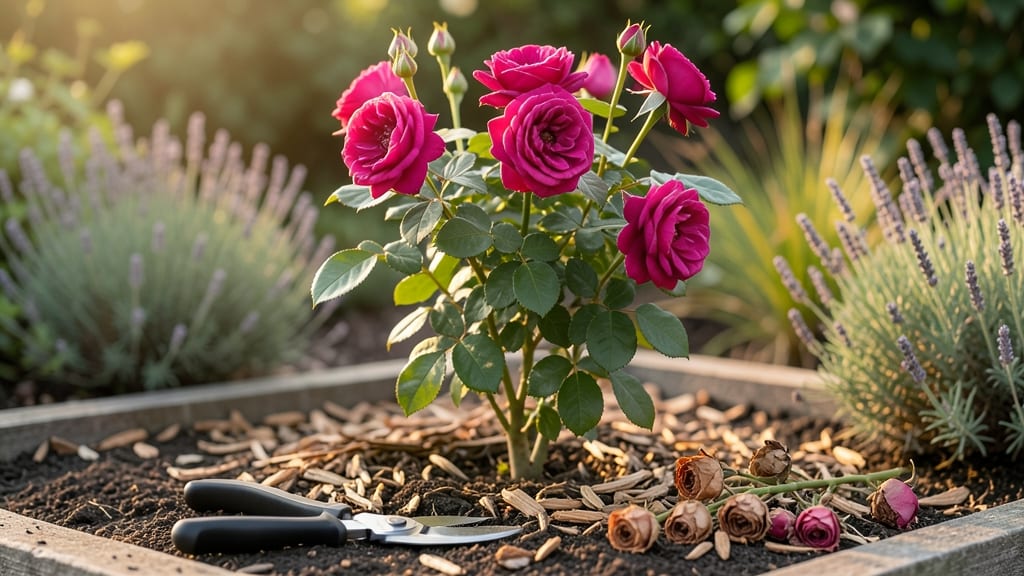
Deadheading in gardening means removing spent or faded flowers from plants to redirect energy into new blooms, prolong flowering cycles, and prevent seed formation. This simple pruning technique improves plant health and encourages continuous growth.
Deadheading isn't just trimming—it's a way to give your plants a second wind. When you snip off those tired blooms, you're essentially telling the plant, "Hey, don't waste energy on seeds—focus on growing more flowers!"
This trick works because plants naturally shift their energy toward reproduction once flowers fade. 🌸 By removing them, you're essentially cheating the system to keep your garden looking fresh and vibrant for weeks longer. Plus, it keeps your plants looking neat and encourages stronger stems and foliage down the road.
Think of it like giving your plants a spa day—they'll reward you with more blooms and healthier growth. The best part? You don't need fancy tools. A simple pair of clean scissors or even your fingers can do the job.
Just be gentle—you want to avoid damaging the plant's main stems. Timing matters too; morning is ideal because the plant is hydrated and ready to bounce back.
💡 In This Article
- How Deadheading Works: Plant Energy Redirection
- When and How to Deadhead Different Flower Types
How deadheading works: plant energy redirection
Here's what's actually happening when you deadhead: the moment a flower fades, your plant's hormonal system kicks into "seed production mode." The plant starts diverting up to 40% of its energy toward developing seeds, which means fewer resources for new blooms or leaf growth.
By removing the spent flower, you're essentially hitting the "reset button" on this reproductive cycle. This works because the plant's natural growth regulators—like the hormone ethylene—signal the transition from flowering to seed development.
The key mechanism involves auxin, a plant hormone that controls growth patterns. When you remove a spent bloom, auxin levels drop in that area, which prevents the formation of seed pods and allows the plant to redirect nutrients back into the stem and leaves.
Studies show that plants like zinnias can produce 30-50% more flowers when deadheaded regularly compared to those left to seed naturally. The plant's photosynthetic machinery, which captures sunlight to create energy, gets reallocated from seed development to foliage and flower buds.
What most people don't realize is how quickly this energy redirection happens. Within just 24-48 hours of deadheading, you'll often see new flower buds forming at the base of the stem.
This rapid response occurs because the plant's vascular system—its internal "plumbing"—automatically reroutes water and nutrients to areas with higher growth hormone concentrations. The result? A bushier plant with more vibrant blooms that last weeks longer than they would otherwise.
There's a sensory component too: freshly deadheaded plants often emit a lighter, sweeter aroma because they're not expending energy on seed production. The leaves become thicker and more vibrant as the plant focuses on vegetative growth rather than reproductive efforts.
For example, a rose bush that's regularly deadheaded might produce flowers continuously from spring until frost, whereas one left to seed might only bloom for 6-8 weeks before going dormant.
This biological process explains why deadheading works so well for annuals like petunias and geraniums, which have a single growing season to reproduce. By preventing seed formation, you're essentially "tricking" the plant into thinking it has more time to grow.
The plant's survival instinct kicks in, and it puts all its energy into producing more flowers rather than seeds it might never get to disperse.
Even perennials benefit from this technique, though the timing differs slightly. For example, a coneflower left to go to seed will produce 10-15% more seeds than one deadheaded, but the trade-off is a 50% reduction in next year's flowers.
The plant's energy budget is fixed, and you're choosing where those resources go—either into seeds for next year's growth or into more blooms for this year's show.