Tools
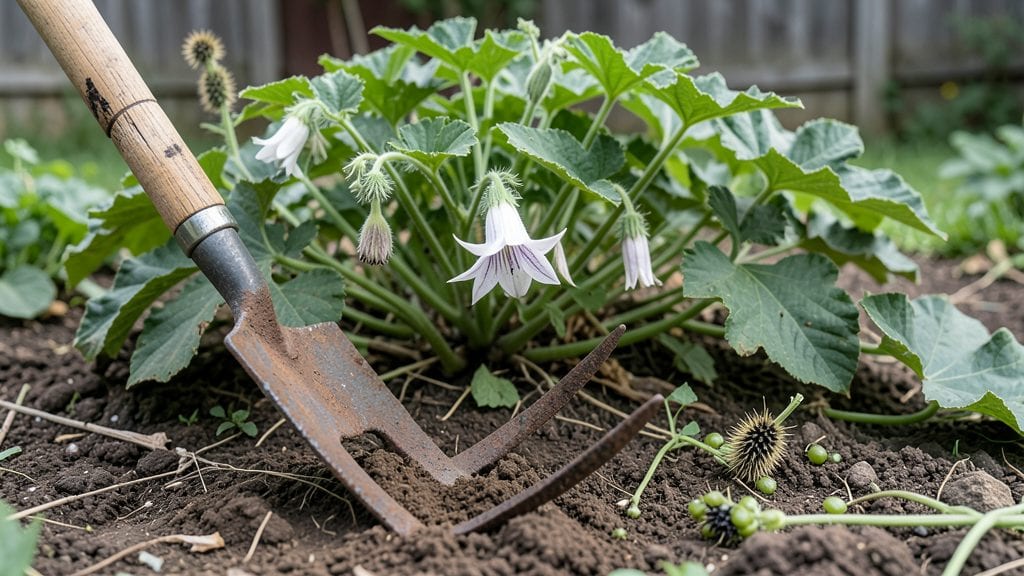
The world's deadliest garden includes deadly nightshade, castor beans, and oleander—three plants whose toxins can trigger fatal reactions or severe poisoning upon contact or ingestion. These lethal botanicals flourish in warm regions and demand rigorous safety protocols during growth and maintenance.
The term "world's deadliest garden" refers to curated collections of plants that pose extreme risks to human health—some capable of killing within hours. 🌿 For example, a single castor bean contains enough ricin to be lethal, while oleander's cardiac glycosides can cause heart failure.
Even accidental skin contact with these plants may lead to rashes or systemic poisoning, making them particularly dangerous for families with children or pets. Understanding their growth patterns helps gardeners avoid accidental exposure while appreciating their botanical significance.
What makes these plants so perilous is their dual nature: they're often beautiful and seemingly harmless, yet their toxins affect multiple organ systems simultaneously. Deadly nightshade's atropine disrupts nerve signals, while castor bean's ricin attacks ribosomes in cells.
This combination of aesthetic appeal and lethal potency explains why they've been used historically in assassinations and warfare.
💡 In This Article
- Deadly Nightshade and Castor Beans: Toxic Mechanisms Explained
- Safety Measures for Handling Toxic Garden Plants
Deadly nightshade and castor beans: toxic mechanisms explained
Here's what's actually happening when you encounter these lethal botanicals: deadly nightshade (Atropa belladonna) produces atropine, a tropane alkaloid that blocks acetylcholine receptors in your nervous system.
This disruption causes symptoms to escalate rapidly—starting with dilated pupils and dry mouth, then progressing to hallucinations, seizures, and respiratory failure. The lethal dose for adults is just two to five berries, though children can be poisoned by even one. 🔥
The castor bean (Ricinus communis) contains ricin, one of the most potent natural toxins known.
A single bean's crushed seed can release enough ricin to kill an adult, though the oral LD50 (lethal dose for 50% of test subjects) is about 1 milligram per kilogram of body weight.
What makes ricin so insidious is its mechanism: it irreversibly binds to ribosomal RNA, halting protein synthesis in cells. Symptoms appear 24-72 hours after ingestion, beginning with severe vomiting, abdominal pain, and eventually organ failure as critical proteins stop being produced.
What most people don't realize is how these toxins interact with your body at a cellular level. Atropine's effects are immediate because it competes with acetylcholine—your brain's primary neurotransmitter for muscle control and sensory processing. The result?
A parasympathetic nervous system shutdown that leaves you in a state of toxic delirium. Ricin, meanwhile, works like a biochemical time bomb: once inside cells, it triggers an inflammatory response that leads to hemorrhagic necrosis in organs like the liver and kidneys.
Comparing toxicity levels puts this into perspective: oleander (another garden killer) requires 50-100 milligrams of cardiac glycosides to be lethal, while castor bean ricin can kill with just 0.5 milligrams. The difference?
Ricin's molecular efficiency—it doesn't need large quantities to disrupt critical cellular machinery. Even skin contact with crushed castor beans can cause dermatitis or systemic poisoning if absorbed through broken skin.
The danger extends beyond ingestion. Deadly nightshade's toxins can be absorbed through mucous membranes, and castor bean dust becomes airborne when seeds are crushed—making inhalation a real risk for gardeners.
The plants' beauty masks their lethality: nightshade's purple berries resemble edible fruits, while castor bean plants produce attractive green seed pods. This visual deception has led to accidental poisonings throughout history, from medieval assassinations to modern-day cases of children mistaking berries for grapes.
Understanding these mechanisms helps explain why these plants demand absolute caution. A single misstep—like harvesting without gloves or failing to wash hands after contact—could have fatal consequences.
The key factor is dose and route of exposure: while ingestion is the most obvious threat, even minimal contact with damaged plant tissue can introduce toxins into your system. 💫