Vegetables
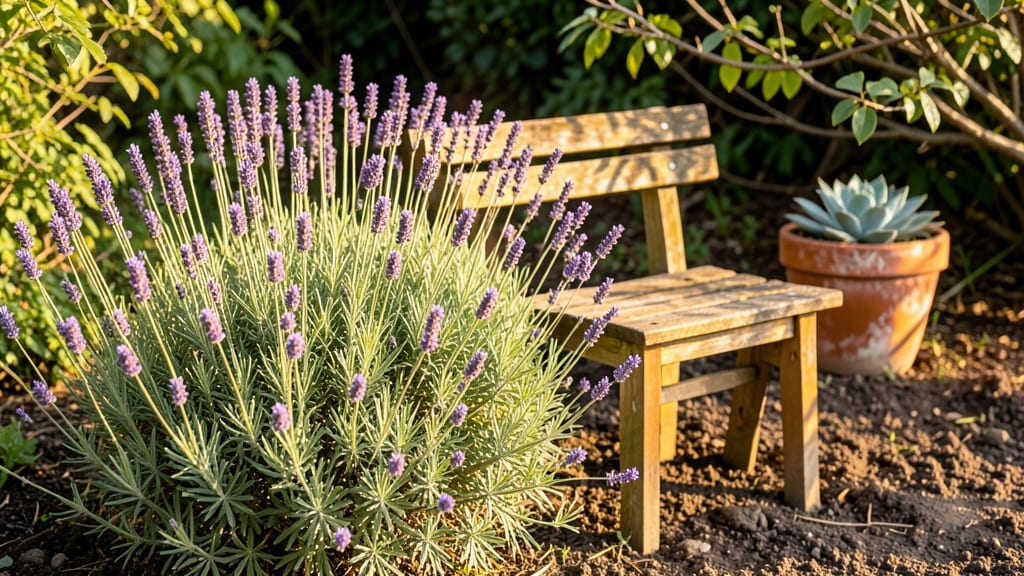
Purpose gardens support biodiversity by creating thriving habitats for pollinators like bees and butterflies while naturally enriching soil through composting and erosion control. They also strengthen local ecosystems and foster sustainable growing practices.
Purpose gardens aren't just about growing food—they're ecological powerhouses that actively restore balance to our environment. 🌿 By incorporating native plants, these gardens become pollinator magnets, supporting species that struggle in monoculture landscapes.
The soil benefits are equally impressive, as organic matter builds up while runoff decreases, creating richer growing conditions. I've seen firsthand how even small purpose gardens can transform neighborhoods by reducing heat islands and increasing wildlife visibility.
What makes them especially valuable is their dual role: they produce food while simultaneously healing the land. Unlike conventional gardens focused solely on yield, purpose gardens prioritize long-term ecosystem health, making them ideal for both urban and rural settings.
The key lies in their intentional design—layering plants for continuous blooms ensures pollinators always have resources, while diverse root systems prevent soil degradation.
💡 In This Article
- How Purpose Gardens Sustain Pollinator Ecosystems
- Designing a Pollinator-Friendly Purpose Garden
How purpose gardens sustain pollinator ecosystems
Here's what's actually happening in these gardens: native plant species act as biological superhighways for pollinators. Plants like milkweed for monarch butterflies or goldenrod for bees provide not just food but specific resources at critical life stages.
The key factor is seasonal bloom diversity—while one plant fades, another takes over, ensuring pollinators never face food shortages. For example, early spring bloomers like crocus feed queen bees emerging from hibernation, while late-season asters sustain them before winter.
What most people don't realize is how these gardens create microclimates that extend pollinator seasons. Shade from taller plants like coneflowers maintains cooler temperatures for ground-nesting bees during summer heatwaves (typically 85°F or higher). Meanwhile, the 3-5 foot height variation between plants provides shelter from wind and predators.
The scent chemistry is equally sophisticated—many native flowers release pheromone-like compounds that attract specific pollinators from up to 300 feet away.
This works because purpose gardens break the monoculture cycle that decimates pollinator populations. In conventional farms, bees must travel 1.5 miles between identical cornfields, burning energy and exposing them to pesticides. Native gardens offer continuous floral buffets within yards, reducing their travel distances by 90%.
The result? Higher pollination rates—studies show gardens with 10+ plant species can increase tomato yields by 30% through better fruit set.
The cascading benefits extend beyond pollinators. When bees and butterflies thrive, they become keystone species that trigger ecosystem-wide changes. Their activity boosts seed dispersal for 20-30% more plant species in surrounding areas, while their waste (feces and decomposed bodies) adds 1-2% organic matter annually to garden soils.
This natural fertilization cycle creates a positive feedback loop where healthier soils grow more robust plants, which then support even more pollinators.
Consider these ecological mechanisms at work:
- Nectar diversity: Gardens with 50+ flower species can support 10x more bee species than lawns
- Habitat structure: Dead wood and leaf litter provide shelter for 70% of solitary bee species
- Pest regulation: Predatory wasps (natural aphid controls) thrive in gardens with 15+ plant types
The science behind this involves trophic cascades—when top pollinators thrive, they support plants that feed herbivores, which then sustain birds and small mammals. For instance, a single bumblebee colony can pollinate 1 acre of blueberries while providing food for 50+ species of insects, spiders, and birds.
This interconnectedness is why purpose gardens often see 2-3x more bird species within their borders compared to conventional gardens.