Pests and Diseases
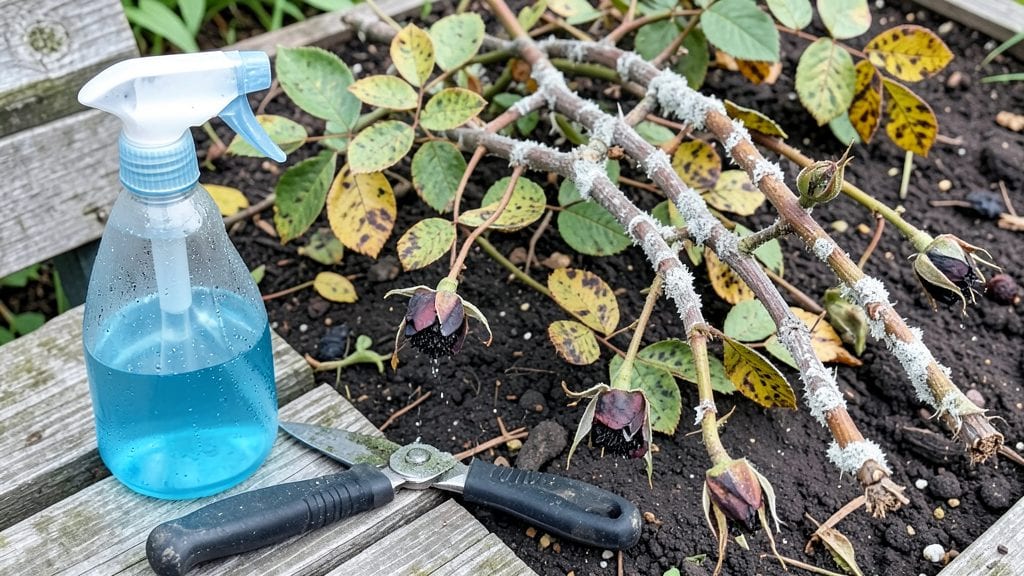
That chalky white stuff on your leaves isn’t always harmless—some white garden mold signals trouble while other types just need a wipe-down. I’ve battled everything from powdery mildew to mineral deposits, and the difference between the two can save your plants before it’s too late.
The key? Checking texture, location, and whether it spreads like wildfire or just lingers in one spot.
Most white mold thrives when humidity meets poor airflow—think crowded plants, damp mulch, or overwatering. My tomato plants once turned into white ghostly webs overnight after I ignored the warning signs of wilting leaves and sticky spots.
The good news? Simple fixes like spacing plants wider, trimming back foliage, and letting soil dry between waterings can stop it before it starts.
For the stubborn stuff, a foolproof mix of 1 tablespoon baking soda + 1 quart water + a drop of dish soap sprayed on leaves cuts through powdery mildew in days. Vinegar (1:1 with water) works too—just test on a small area first.
You’ll see fresh green growth within a week if you catch it early, and your plants will look like they just got a spa day.
When to worry? If the mold turns black, spreads to stems, or your edibles look slimy, it’s time to call in reinforcements—like neem oil or a fungicide. Otherwise, most white mold is just your garden’s way of saying, “Hey, let’s fix this airflow!” Let’s get those leaves sparkling clean.
The Hidden Triggers Behind Fungal Growth
White garden mold isn’t just an unsightly nuisance—it’s a telltale sign that your plants’ environment has tipped the scales toward fungal dominance. Understanding the why behind its appearance is the first step to stopping it before it spreads.
Below, we break down the key factors that create the perfect conditions for this common garden pest, so you can address the root causes (literally and figuratively).
Fungi thrive in damp conditions, and white mold is no exception. When soil, leaves, or mulch stay consistently wet—whether from overwatering, poor drainage, or humidity—spores germinate and spread rapidly. Here’s why moisture is such a problem:
- Oxygen deprivation: Waterlogged soil cuts off airflow, creating a stagnant, anaerobic environment where fungal hyphae (thread-like structures) grow unchecked.
- Spores love humidity: White mold spores (often Sclerotinia or Botrytis) need a moisture level above 70% to activate. Even morning dew can be enough if it lingers.
- Weakened plant defenses: Overwatered plants become stressed, lowering their natural resistance to pathogens.
Actionable fix: Let the top 1–2 inches of soil dry out between waterings, and avoid watering foliage (especially in the evening). Use raised beds or containers if your garden drains poorly.
Fungi spread like wildfire in still air. When plants are crowded or shaded, airflow stalls, trapping moisture and heat—ideal conditions for mold. Here’s how it happens:
- Leaf-to-leaf contact: Dense foliage allows spores to jump from plant to plant via water droplets (a process called splash dispersal).
- Heat buildup: Poor ventilation raises humidity levels, creating a greenhouse effect that accelerates spore germination.
- Debris buildup: Fallen leaves, old mulch, or plant waste act as spore reservoirs, releasing mold into the air.
Actionable fix: Prune plants to improve spacing, thin out overgrown areas, and remove dead foliage. Use a fan in greenhouses or row covers outdoors to boost airflow.
White mold doesn’t just appear—it waits for the right conditions. Temperature fluctuations, especially cool nights followed by warm days, trigger outbreaks. Here’s the science:
- Cooler temps (50–75°F): Many white mold spores germinate best in this range, slowing plant growth while fungi thrive.
- Warm, humid mornings: Dew forms, and the sun’s heat later in the day creates a microclimate where spores explode in growth.
- Botrytis cinerea (a common culprit) loves these conditions, often attacking flowers and soft stems first.
Actionable fix: Mulch to moderate soil temperature, avoid evening watering, and choose heat-tolerant plants if your climate swings wildly.
Plants aren’t the only ones competing for nutrients—fungi do too. Over-fertilized or nitrogen-heavy soil creates a buffet for mold:
- Too much nitrogen: Promotes lush, soft growth that’s highly susceptible to fungal infections (think: tender new leaves or blooms).
- Phosphorus deficiency: Weakens root systems, making plants more vulnerable to soil-borne pathogens.
- Organic matter overload: Fresh mulch or compost can introduce fungal spores and create a damp, nutrient-rich breeding ground.
Actionable fix: Balance your soil with a low-nitrogen fertilizer (like 5-10-10) and ensure proper compost aging (3–6 months) before using it as mulch.
Insects like aphids, thrips, or slugs don’t just damage plants—they open doors for mold. Here’s how:
- Sap-feeding insects: Aphids and mites inject saliva into plants, creating entry points for fungal spores.
- Physical damage: Slug trails or chewed leaves leave wounds that trap moisture, inviting mold to colonize.
- Honeydew buildup: The sticky residue from pests feeds sooty mold, which then creates a perfect landing pad for white mold spores.
Actionable fix: Monitor for pests regularly, use row covers to block insects, and treat wounds with a copper fungicide or neem oil to deter spores.
Quick Fixes for Fungal Fuzz
Discovering white fungal growth creeping across your garden beds or potted plants can feel like an unwelcome invasion—but don’t panic! The good news is that most cases of white garden mold (often powdery mildew or fungal downy mildew) can be tackled with simple, natural solutions.
Below, we’ve mapped out the best fixes based on the root cause, along with easy prevention tips to keep your greenery thriving.
If your plants are packed too closely together or blocked by dense foliage, moisture gets trapped, creating the perfect breeding ground for mold. Fix it fast:
- 🔥 Prune for airflow – Trim back dense branches or leaves to improve circulation. Focus on the undersides of leaves, where mold loves to hide.
- 🍳 Space them out – Give plants at least 6–12 inches of space (depending on the type) to reduce humidity pockets.
- 👨🍳 Elevate pots – If using containers, place them on saucers or stands to prevent waterlogging at the base.
💡 Pro tip: Avoid watering overhead—use drip irrigation or water at the soil level to keep leaves dry.
White mold thrives in damp conditions, so soggy soil or leaves are a red flag. Drain the problem:
- ⏰ Adjust your watering schedule – Water deeply but infrequently (early morning is best). Let the top 1–2 inches of soil dry out between waterings.
- 🔪 Improve drainage – Amend heavy clay soil with compost or perlite. For pots, ensure they have drainage holes.
- 🌡️ Reduce humidity – Use a fan on low speed near affected plants to promote airflow, especially in greenhouses or shaded areas.
✨ Prevention hack: Sprinkle a thin layer of gravel or sand around plants to help soil dry faster.
Stressed plants with low nitrogen or poor health are more susceptible to fungal attacks. Boost their defenses:
- 🥗 Feed with compost tea – Brew a batch of compost tea (1 part compost to 5 parts water, steeped for 24–48 hours) and spray on leaves and soil. This adds beneficial microbes and nutrients.
- 🍎 Balance fertilizers – Use a low-nitrogen, high-phosphorus fertilizer (like 5-10-10) to strengthen roots and resistance.
- 📊 Test your soil – A simple pH test kit can reveal imbalances. Aim for a pH of 6.0–7.0 for most garden plants.
🎯 Long-term tip: Mulch with straw or wood chips (not thick layers) to retain moisture without suffocating roots.
Once mold takes hold, act quickly to prevent spread. Here’s how to sanitize and revive:
| Solution | How to Use | Frequency |
|---|---|---|
| Vinegar spray (1:1 white vinegar + water) | Spray on leaves and soil (avoid direct sun after application). | Every 3–5 days until mold clears. |
| Baking soda mix (1 tsp baking soda + 1 quart water + few drops of dish soap) | Spray on affected areas. Safe for most plants. | Weekly until mold disappears. |
| Neem oil (1 tbsp neem oil + 1 quart water + 1 tsp mild soap) | Shake well and spray on leaves (test on a small area first). | Every 7–10 days. |
⚠️ Caution: Always test solutions on a small leaf first to avoid damage.
With these targeted fixes, you’ll banish white mold and keep your garden flourishing. Remember: Consistency is key—preventative care (like proper spacing and watering) is your best defense!
Frequently asked questions about white garden fungal growth
Is all white garden mold harmful to my plants?
Not necessarily! Some white residues are harmless, like mineral deposits from hard water or beneficial mycorrhizal fungi on roots. The dangerous types (like powdery mildew) appear as fuzzy, powdery patches that spread quickly and often turn gray or brown. Check for leaf yellowing or wilting—those are red flags.
Why does white mold keep coming back even after I treat it?
Fungal spores are persistent—they survive in soil and debris. If you don’t fix the root causes (like poor airflow or overwatering), new outbreaks will appear. Try improving spacing between plants, adjusting watering schedules, and removing infected leaves immediately to break the cycle.
Can I use household vinegar to treat white mold on edible plants?
Yes, but dilute it properly! Mix equal parts white vinegar and water (1:1 ratio) and spray on leaves—avoid edibles right before harvest. The acidity disrupts fungal spores, but always test a small area first. For sensitive plants like herbs, use a weaker solution (1:3 ratio) to prevent leaf burn.
How do I tell if white mold is powdery mildew vs. something else?
Powdery mildew appears as a white, talcum-powder coating on leaf surfaces, often starting on undersides. It spreads in humid conditions and leaves a chalky residue. Other white growths might be lichen (harmless, crusty) or even beneficial bacteria. Check for spreading speed—mildew advances rapidly, while others stay localized.
Will removing infected leaves stop the spread?
Prune affected leaves immediately and dispose of them in the trash (not compost). This removes spore sources and prevents cross-contamination. For severe cases, sterilize pruners with rubbing alcohol between cuts to avoid spreading spores to healthy plants.