
Pruning
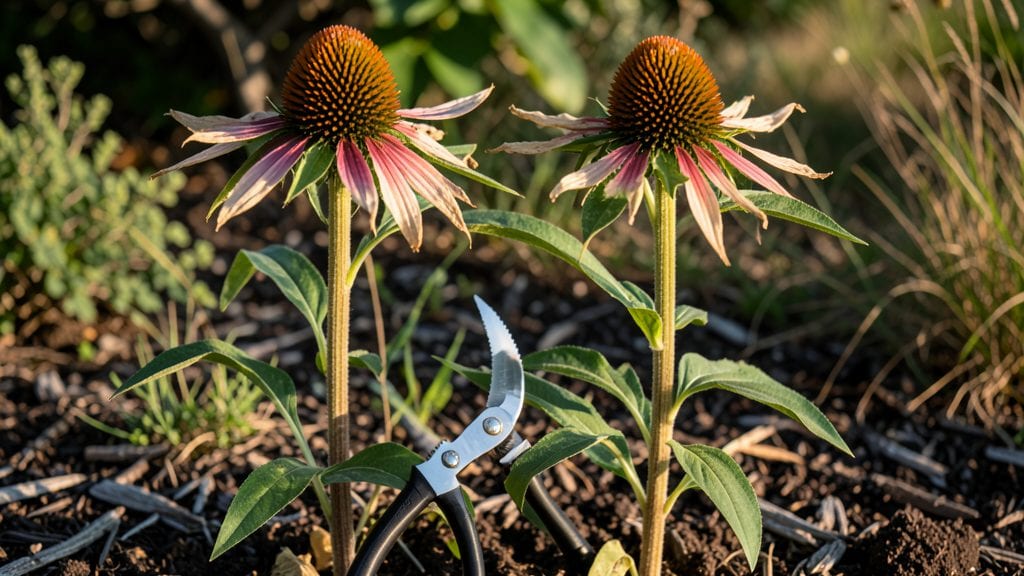
Cutting back wildflowers at the wrong time can rob you of next year’s blooms—or worse, invite pests into your garden. ✨ The best moment arrives when the stems turn brown and crispy, usually 2-3 weeks before your last frost date, though this varies by climate.
I learned this the hard way after shearing my meadow back in late fall, only to watch voles feast on the tender new shoots.
Most gardeners wait until late winter or early spring, but timing depends on your zone and whether you want to collect seeds. In colder regions, wait until temperatures consistently stay above 35°F—this gives dormant plants a fighting chance to regrow.
If seeds are your goal, leave spent stems until they’ve fully dried and turned brittle, then snip just above the base for next season’s surprises.
After cutting, rake away debris to prevent fungal issues, then mulch lightly with 2-3 inches of compost to protect emerging roots. The first flush of new growth often appears within 2-4 weeks, and by summer, your meadow will be thicker and more vibrant than ever.
The key is patience—rushing the process means missing out on the wildflower magic.
Regional tweaks matter: Southern gardeners can cut back as early as February, while Northerners might wait until April. And here’s the secret no one tells you—leave a few seed heads for pollinators over winter.
They’ll thank you with early spring visitors, and your garden will hum with life before the first bloom even appears.
📚 In This Guide
- What you need
- Instructions
- Tips and common mistakes
- Wrapping up and next steps
What you need
- ● Pruning shears or hedge clippers: Sharp, clean tools (bypass pruners work best for precision). Quantity: 1 pair.
- ● Heavy-duty gardening gloves: Protect your hands from thorns and rough stems. Recommendation: Leather or reinforced fabric.
- ● Wheelbarrow or sturdy trash bags: For collecting clippings and debris. Quantity: 1 wheelbarrow or 3–5 bags.
- ○ Rake (optional but helpful): A stiff-bristled rake to clear dead foliage and level the ground. Size: 18–24 inches.
- ● String trimmer (weed whacker): For larger areas or stubborn overgrowth. Fuel type: Gas or battery-powered.
- ● Knee pads or a small stool: For comfort during long sessions. Bonus: Saves your back!
- ● Mulch or compost: To replenish nutrients after cutting back. Quantity: 2–3 cubic feet.
- ● Safety glasses: Protect your eyes from flying debris.
Step-by-Step guide for cutting back wildflower gardens
Timing is everything—wait too long, and you risk smothering new growth; act too soon, and you’ll lose winter protection.
⏰ Step 1: Wait for the Right Moment
Start watching for the first signs of new growth in early spring, usually when daytime temperatures consistently rise above 40°F. This is your cue that the wildflowers are waking up after their winter dormancy. I know it’s tempting to tidy up right after the first frost, but holding off until you see fresh green shoots ensures you’re not cutting back what’s already pushing through.
If you’re in a colder climate, wait until after the last hard frost date in your area. You’ll see this as a slight softening of the soil surface and the appearance of tiny sprouts. Cutting too early can expose tender new growth to late frosts, which can stunt or kill your plants before they even get started.
✂️ Step 2: Cut Back to the Right Height
Use your pruners or shears to trim the dead stems back to about 2-3 inches above the ground. This height allows enough room for new shoots to emerge without being buried under old growth. I like to make clean, even cuts rather than tearing or pulling stems, which can damage the roots or leave uneven regrowth.
If your wildflower patch has particularly tall or woody stems, you can cut them back even shorter—down to 1-2 inches—since these take longer to decompose and can smother new growth. Just be careful not to cut into the soil or disturb any dormant bulbs or tubers that might be lurking below.
🌱 Step 3: Clear Debris but Leave Some Cover
After cutting, gather up the dead stems and remove them from the garden bed. This step is crucial for preventing disease and pests from overwintering in the old growth. However, don’t feel the need to rake the entire area bare. A light layer of mulch or even some of the finer cuttings left behind can still provide a little protection for any remaining tender shoots.
If you notice any lingering seed heads, leave a few scattered around the bed. These can self-seed and add new varieties to your wildflower mix over time. Just don’t let them pile up—keep the area tidy enough that air and light can reach the soil surface.
☀️ Step 4: Prepare for New Growth
Once the dead growth is cleared, give the area a light watering if your region has been particularly dry. This helps wake up any dormant roots and encourages a strong start for the new season. Avoid heavy watering, though—wildflowers generally prefer well-draining soil, and soggy conditions can lead to rot or fungal issues.
Keep an eye out for any weeds that might have taken advantage of the winter barrenness. Pull them now while they’re small, but avoid disturbing the soil too much—you don’t want to uncover any wildflower roots or seeds that are just waiting for the right conditions to sprout.
🌿 Step 5: Monitor and Adjust
Over the next few weeks, watch for new shoots to emerge. If you notice any areas where growth is sparse or slow, you might need to adjust your approach. For example, if the soil feels compacted, gently loosen it with a fork or your hands to help roots establish more easily.
If you’re dealing with a particularly large or established wildflower garden, consider dividing it into sections. This makes it easier to manage and ensures that every part of the garden gets the care it needs. You’ll know you’re on the right track when you see a carpet of fresh green leaves popping up within a few weeks.
Tips & tricks for perfect wildflower garden revival
Timing and technique make all the difference when reviving your wildflower garden—here's how to avoid common mistakes and set your plants up for success.
The Temperature Factor: That 40°F daytime threshold in Step 1 is your golden cue for new growth. I've seen wildflowers wake up earlier in sunny microclimates, so check the soil temperature with your finger—if it feels warm enough to hold a bare hand for 5 seconds, it's likely ready. In cloudy or rainy springs, wait until the soil actually feels warmer to the touch, not just the air temperature.
Cutting Height Strategy: When cutting back to 2-3 inches in Step 2, think of it as creating a cozy blanket for emerging shoots. For woody stems, cutting to 1-2 inches works better because they're tougher to decompose. I like to use a string line as a visual guide when cutting larger patches—it helps maintain consistent height and prevents uneven regrowth.
Debris Management Secret: In Step 3, don't overlook the fine mulch layer you create when clearing debris. This natural mulch provides just enough protection for any late-emerging shoots while still allowing air circulation. I often leave a few seed heads strategically placed—they'll self-seed and add unexpected color variations to next year's blooms.
Watering Wisdom: That light watering in Step 4 should be just enough to moisten the top inch of soil—think of it as giving your plants a drink, not a bath. I've seen wildflowers actually struggle with too much water, especially in heavy clay soils. If your area gets regular rain, you might not need to water at all after clearing the dead growth.
Pro Tips for When To Cut Back Wildflower Garden
- Timing and technique make all the difference when reviving your wildflower garden—here's how to avoid common mistakes and set your plants up for success.
- The Temperature Factor: That 40°F daytime threshold in Step 1 is your golden cue for new growth.
- Cutting Height Strategy: When cutting back to 2-3 inches in Step 2, think of it as creating a cozy blanket for emerging shoots.
Frequently asked questions
Got questions about when and how to cut back your wildflower garden? You’re not alone! Here are some of the most common queries—and their straightforward answers—to help you prep for a stunning spring revival.
When is the absolute latest I can cut back wildflowers before spring?
Late winter, right before new growth appears (usually February–March in most climates). Cutting too early can leave plants vulnerable to frost damage, while waiting too long risks smothering fresh blooms. Aim for 3–4 weeks before your last frost date for best results.
What if I missed the window and wildflowers are already sprouting?
Don’t panic! Lightly trim only the dead stems (leave 2–3 inches of growth) to avoid disturbing emerging shoots. Avoid heavy cuts—wildflowers often self-seed, and aggressive pruning can reduce next year’s blooms. Pro tip: Use sharp shears to minimize damage!
Should I cut back wildflowers every year, or can I skip a year?
Annual cutting (late winter) keeps your garden tidy and encourages lush regrowth. However, if you’re low-maintenance, you can skip a year—but expect more seed heads (which birds love!) and potentially less vibrant blooms the following season.
How short should I cut wildflowers? Will it kill them?
Leave 2–4 inches of stubble—this protects roots and prevents erosion. Wildflowers are hardy! Cutting too short can stress perennials, but most annuals bounce back quickly. Exception: Tall grasses (like switchgrass) may need a cleaner cut (1–2 inches) for a polished look.
Will cutting back wildflowers harm birds or pollinators?
Timing is key! Wait until after seed heads are empty (late winter) to avoid removing food sources. Leave some wildflower stalks standing for overwintering insects and early spring pollinators. Bonus: Seed heads provide winter shelter for birds!
What if my wildflowers look messy but won’t bloom?
Check for competing weeds or overcrowding—thin out dense areas to improve airflow and sunlight. If blooms are sparse, consider top-dressing with compost in early spring. Some wildflowers (like coneflowers) thrive with minimal intervention—patience pays off!
Wrapping up and next steps
Cutting back your wildflower garden in late winter—just before new growth emerges—is the secret to a vibrant, thriving spring display. 🌱 By removing old growth, you’re making room for fresh blooms, preventing disease, and encouraging stronger roots. Don’t wait until spring; act now to give nature a helping hand!
Ready to transform your garden? Grab your tools, follow the steps, and watch your wildflowers explode with color. Next up: Mark your calendar for late February or early March and get ready to enjoy a showstopping season ahead!