Shrubs
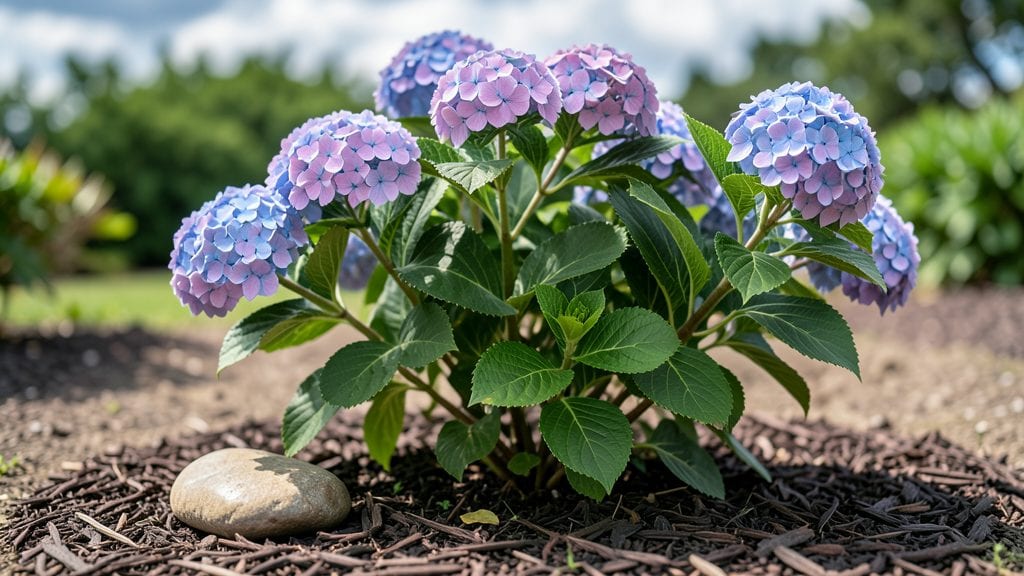
The best garden shrubs transform your yard into a lush, low-maintenance masterpiece without the constant pruning battle. I’ve tested dozens, and these stand out for their year-round color, resilience, and ability to thrive with minimal fuss—perfect for busy gardeners who still want a showstopping landscape. 🌿
Think vibrant blooms in spring, deep green foliage through summer, fiery fall hues, and even winter interest from berries or textured bark. These shrubs handle drought, deer, and poor soil better than most, so they’re foolproof for almost any yard.
The key is choosing varieties that match your space—whether you need privacy, fragrance, or just a pop of color against the fence.
You’ll end up with a garden that feels alive all season, with less work than traditional flowering annuals. Imagine hydrangeas that change color with the soil pH, dwarf lilacs that perfume the air in May, or evergreen boxwoods that stay green even in winter.
These plants deliver high impact with low effort, and I’ll show you exactly which ones fit your goals.
From sun-drenched borders to shady corners, these shrubs adapt—so you can finally stop stressing over seasonal swaps. Let’s get to the top performers that make gardening feel effortless while looking stunning.
📚 In This Guide
- What you need
- Instructions
- Tips and common mistakes
- Wrapping up and next steps
What you need
- ● Shrubs: Choose 3–5 varieties (e.g., Boxwood, Hydrangea, Camellia, Abelia, or Butterfly Bush) based on your climate and sunlight needs.
- ● Potting soil or garden soil: 1–2 bags (2–3 cubic feet each) for planting or amending soil.
- ● Compost or organic fertilizer: 1 bag (10–20 lbs) to enrich soil and promote healthy growth.
- ● Mulch: 2–3 bags (2–3 cubic feet each) to retain moisture and suppress weeds.
- ● Gloves: 1 pair (gardening or work gloves) for protection.
- ● Hand trowel or transplant spade: 1 medium-sized tool for digging small holes.
- ● Watering can or hose with a gentle spray nozzle: For hydrating plants without damaging roots.
- ● Pruning shears: 1 pair (bypass pruners) for shaping and maintaining shrubs.
- ● Measuring tape: 1 (to ensure proper spacing between plants).
- ● Slow-release fertilizer: 1–2 tablets or pellets for long-term nutrient boosts.
- ● Plant stakes or garden flags: To mark new plantings and track growth.
- ● Soil pH tester: To check if your soil needs amendments (e.g., lime for acid-loving shrubs like Azaleas).
- ● Drip irrigation kit: For automated, efficient watering.
- ● Organic pest control (neem oil or insecticidal soap): For occasional pest issues.
Instructions for planting and maintaining low-maintenance, year-round shrubs
Here's how to create a stunning, four-shrub foundation that thrives with minimal effort.
🌱 Step 1: Select and Prepare Planting Sites
Choose four shrub varieties that complement each other in height, color, and growth habits. I recommend pairing a hydrangea for bold blooms with a boxwood for structured foliage, a dwarf lilac for spring fragrance, and an inkberry holly for evergreen contrast. Each should receive 6+ hours of sunlight daily, but adjust for shade-tolerant varieties if needed.
Dig holes twice as wide as each root ball but only as deep as the container's height. Loosen the soil at the bottom of each hole with a garden fork to encourage root spread. Mix the 5 gallons of compost into the native soil at the hole's base—this jumpstarts nutrient availability and improves drainage.
☀️ Step 2: Plant Shrubs for Optimal Growth
Remove each shrub from its container and gently tease the roots outward if they're circling. Place the plant in the hole so the top of the root ball sits 1 inch below soil level—this prevents stem rot from water pooling at the base. Fill the hole with the amended soil, pressing lightly to eliminate air pockets.
Water each shrub deeply immediately after planting to settle the soil and encourage root contact. You'll see the soil surface darken slightly as moisture penetrates—this confirms proper hydration. Mulch around each base with 3 inches of shredded bark, keeping it 6 inches away from stems to prevent rot.
💧 Step 3: Establish a Watering Routine
Water newly planted shrubs every 2-3 days for the first 2 weeks, providing 1 gallon per plant each time. After that, reduce to once weekly unless rainfall provides 1 inch of moisture. You'll know watering is sufficient when the soil 2 inches below the surface feels slightly moist—not soggy, not bone-dry.
Apply a slow-release fertilizer (like 10-10-10) at planting time, then again in early spring to support new growth. Avoid high-nitrogen fertilizers—they promote leafy growth at the expense of flowers. Prune only to remove dead or crossing branches in late winter, before buds swell.
✂️ Step 4: Maintain Year-Round Beauty
Check shrubs monthly for signs of stress—yellowing leaves, powdery mildew, or sparse blooms. Hydrangeas and lilacs benefit from annual pruning after flowering to encourage bushier growth. Boxwoods and inkberry holly need minimal pruning unless shaping is required, in which case use clean, sharp shears to make 45-degree cuts just above a leaf bud.
In fall, apply a 2-inch layer of mulch to insulate roots and retain moisture. This is the time to assess each shrub's placement—if one is outgrowing its space, consider transplanting in early spring when roots are dormant. With this approach, your shrubs will deliver seasonal interest with almost no upkeep.
Tips & tricks for perfect year-round shrub plantings
Creating a stunning, low-maintenance shrub garden is all about strategic planning and a few pro techniques that make the difference between good and exceptional results.
Soil Preparation Secret: The 5 gallons of compost you mix into the native soil isn't just about nutrients—it's about creating the perfect foundation. I like to add a handful of mycorrhizal fungi to this mix (available at garden centers) to help establish a symbiotic relationship with your shrubs' roots. This boosts disease resistance and water absorption from day one, especially important during those critical first two weeks when roots are establishing.
Planting Depth Technique: That 1-inch below soil level placement for the root ball isn't just arbitrary—it's about creating the perfect stem-to-soil interface. Too high and you risk stem rot from water pooling; too low and you'll suffocate the plant. I use a small wooden stake to mark the correct depth before planting, and always check with my finger after backfilling to ensure consistency across all four shrubs. This small step prevents years of potential problems.
Mulching Strategy: The 3 inches of shredded bark mulch you apply serves multiple purposes beyond just aesthetics. It creates a microclimate that regulates soil temperature, reduces water evaporation by up to 70%, and suppresses weeds. Here's my pro tip: refresh that mulch layer every fall to maintain its insulating properties. I also like to mix in a small amount of leaf mold (composted leaves) into the mulch—it adds valuable organic matter without compacting like fresh mulch can.
Watering Wisdom: Those first two weeks of watering every 2-3 days require precision. I've found that using a rain gauge or measuring cup to deliver exactly 1 gallon per plant is more effective than relying on water pressure. The key is to water deeply enough that moisture reaches 6-8 inches down—this encourages roots to grow deeper rather than staying shallow. You'll know you're doing it right when you see that soil surface darken slightly after watering, indicating proper penetration.
Pro Tips for Best Garden Shrubs
- Creating a stunning, low-maintenance shrub garden is all about strategic planning and a few pro techniques that make ...
- Soil Preparation Secret: The 5 gallons of compost you mix into the native soil isn't just about nutrients—it's about ...
- Planting Depth Technique: That 1-inch below soil level placement for the root ball isn't just arbitrary—it's about cr...
Frequently asked questions
about choosing the best garden shrubs can help you make informed decisions with confidence! Here are answers to some of the most common queries:What are the easiest low-maintenance shrubs for beginners?
If you're new to gardening, opt for hardy shrubs like Boxwood or Dwarf Lilac. These thrive with minimal pruning, tolerate various soil types, and resist pests. Abelia is another great pick—it blooms nearly year-round with little fuss!
When is the best time to plant shrubs for long-term success?
Plant shrubs in early spring or fall when temperatures are mild. This gives roots time to establish before extreme heat or cold. Avoid planting in summer—heat stress can stunt growth. Pro tip: Water deeply after planting to reduce shock!
Can I use shrubs to create privacy screens with minimal upkeep?
Fast-growing shrubs like Arborvitae or Bamboo (clumping varieties) work well. For slower but low-maintenance options, try Holly or Privet. Space them 3–5 feet apart for a dense, lush barrier in 2–3 years.
How do I keep pests and diseases away from my shrubs?
Prevention is key! Ensure good airflow, water at the base (not leaves), and remove dead foliage. Use neem oil for pests like aphids. Resistant varieties (e.g., Dwarf Ninebark) also help. Watch for: powdery mildew (common in humid climates) and treat with fungicide if needed.
What are some colorful alternatives to traditional evergreens?
For vibrant options, try Butterfly Bush (purple blooms), Weigela (pink/red flowers), or Smoke Bush (deep purple foliage). Cotoneaster offers red berries and fall color. These add seasonal interest without the high maintenance of evergreens!
Wrapping up and next steps
Choosing the right garden shrubs can transform your outdoor space into a vibrant, low-maintenance oasis with year-round color and texture. From drought-resistant Lavender to fragrant Gardenia, these top picks offer beauty without the hassle of constant pruning—just a little care goes a long way! 🌿✨
Ready to elevate your garden? Start small—pick one or two shrubs that suit your climate and style, then expand as you gain confidence. Happy gardening, and may your yard bloom with effortless charm! 🌸