
Tools
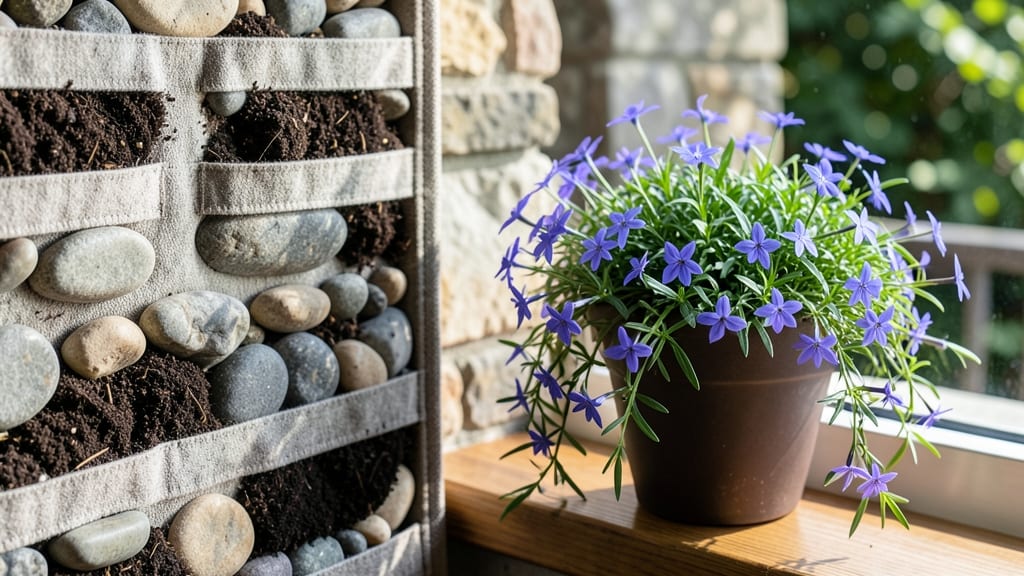
An outdoor wall garden turns bare walls into thriving green spaces 🌿—no yard needed, just a little creativity and the right setup.
Picture this: your tiny patio or narrow backyard suddenly bursting with herbs, veggies, and cascading flowers—all without sacrificing a single square foot of floor space. That’s the magic of vertical gardening, where every inch of wall becomes a growing opportunity.
Whether you’re craving fresh basil for your summer pasta or just want to add life to a dull corner, outdoor wall gardens deliver year-round greenery with minimal effort. The best part? You can mix edibles, succulents, and trailing vines to create a space that’s both functional and stunning.
Below, I’ll walk you through the easiest designs, the hardiest plants, and the simple tricks to keep your wall garden lush—no green thumb required.
How to design a functional outdoor wall garden for small yards
Outdoor wall gardens are a game-changer for small yards, turning blank walls into vibrant green spaces that produce food, flowers, and fragrance. The key to success lies in thoughtful planning—choosing the right structural support, arranging plants for optimal growth, and ensuring proper drainage systems.
Whether you're growing herbs, vegetables, or cascading flowers, vertical space can be just as productive as ground-level gardens.
Before you start, assess your wall's sunlight exposure and structural integrity. Most outdoor wall gardens need at least 4-6 hours of sunlight daily, though some shade-tolerant plants like ferns or ivy can thrive in lower light.
If your wall faces north, focus on partial-shade plants like coleus or sweet potatoes. For south-facing walls, sun-lovers like tomatoes, peppers, and basil will flourish.
Step-by-Step Guide to Designing Your Outdoor Wall Garden
-
Step 1: Choose Your Structure
Select a framework that matches your wall type and aesthetic. Options include:
- Trellises: Ideal for climbing plants like beans, cucumbers, or jasmine. Use metal or wooden trellises for durability.
- Pallet Gardens: Repurpose wooden pallets as vertical planters. Line with landscape fabric to prevent soil loss.
- Modular Systems: Stackable pots or fabric grow bags offer flexibility. Great for renters or temporary setups.
- Hanging Pots: Perfect for herbs or small flowers. Use macramé hangers for a boho look.
-
Step 2: Plan Your Layout
Sketch a rough design on paper or use a grid system to map out plant placement. Consider:
- Plant Height: Tall plants (like sunflowers) go at the back; trailing plants (like nasturtiums) at the front.
- Sunlight Needs: Group plants with similar light requirements together.
- Weight Distribution: Ensure your structure can support mature plant weight, especially for heavy vines.
-
Step 3: Install Drainage
Poor drainage is the #1 killer of wall gardens. Always include:
- Drainage Holes: Drill holes in containers or pallets for excess water escape.
- Gravel Layer: Add a 2-inch layer of gravel or pebbles at the bottom of containers.
- Landscape Fabric: Line containers to prevent soil from washing out while allowing water through.
-
Step 4: Select Your Plants
Pick plants that thrive in vertical spaces and suit your climate. Top picks include:
- Herbs: Basil, thyme, and oregano grow well in shallow pockets.
- Trailing Vines: Cherry tomatoes, strawberries, and sweet potatoes cascade beautifully.
- Succulents: Sedum or echeveria need minimal water and add texture.
- Flowers: Petunias, geraniums, and fuchsias add color and attract pollinators.
-
Step 5: Secure and Mount
Attach your structure to the wall using:
- L-Brackets: For heavy structures like trellises or pallets.
- Command Strips: For lightweight options like hanging pots (check wall material first).
- Masonry Anchors: For brick or concrete walls to ensure stability.
-
Step 6: Add Soil and Mulch
Use a lightweight potting mix with perlite or vermiculite for better drainage. Top with mulch to:
- Retain moisture.
- Suppress weeds.
- Regulate soil temperature.
Once your wall garden is planted, monitor its progress closely. Watering needs will differ from ground-level gardens—vertical setups dry out faster, especially in hot weather.
I recommend using a drip irrigation system or soaker hose to deliver water directly to the roots without wetting the leaves, which can lead to fungal issues.
Another critical tip: rotate plants seasonally to maximize space and extend the growing period. For example, swap out frost-sensitive basil in fall for hardy kale or pansies. This keeps your wall garden productive year-round and adds visual interest with changing colors and textures.
Just be sure to prune regularly to encourage bushier growth and prevent overcrowding.
Don’t overlook the aesthetic potential of your outdoor wall garden. Mix edible plants with ornamental flowers for a stunning, functional display. For instance, pair cherry tomatoes with trailing nasturtiums or intersperse herbs like rosemary and lavender among succulents for a fragrant, low-maintenance look.
Add solar-powered lights or string lights to highlight your garden after dark and create a cozy ambiance.
With a little creativity and planning, your outdoor wall garden can become the star of your small yard. It’s not just about saving space—it’s about transforming underutilized areas into thriving ecosystems that bring joy, beauty, and even fresh ingredients to your table.
Start small, experiment with different plants and structures, and watch your vertical garden grow into a lush, productive masterpiece. 🌿
Best plants for outdoor wall gardens: fast-growing and low-maintenance options
Creating a thriving outdoor wall garden starts with selecting the right space-efficient plants. I focus on varieties that grow quickly, require minimal care, and thrive in vertical setups. These plants maximize your small space while delivering beauty, fragrance, or even fresh herbs and veggies.
The key is choosing varieties that tolerate limited root space and variable moisture levels—common challenges in wall gardens.
My top recommendations include trailing vines, compact herbs, succulents, and edible greens that cascade or stay contained. These plants not only save space but also create stunning visual layers.
For example, basil and thyme thrive in pockets while nasturtiums add vibrant color without overpowering your design. Let’s dive into the best options tailored for outdoor wall gardens.
When selecting plants for your outdoor wall garden, prioritize fast-growing varieties like basil or nasturtiums, which deliver quick results. For low-maintenance options, succulents like string of hearts are ideal—they thrive on neglect and add architectural interest.
I also recommend edible herbs such as thyme and chives, which are hardy, pest-resistant, and perfect for small spaces.
For sunlight exposure, position your wall garden to capture at least 4-6 hours of sunlight daily. Most herbs and veggies need full sun, while trailing plants like nasturtiums tolerate partial shade. If your wall faces north, opt for shade-tolerant plants like lettuce or fuchsia.
Always ensure your vertical setup has adequate drainage—root rot is a common issue in wall gardens with poor airflow.
Watering is another critical factor. I water my outdoor wall garden in the morning to prevent fungal growth, using a drip irrigation system for even distribution. Most plants in vertical setups need frequent but shallow watering—aim for 1-2 times daily during hot months.
Mulch around the base of your plants to retain moisture and suppress weeds, which can be a nuisance in tight spaces.
Finally, don’t overlook the aesthetic appeal of your wall garden. Mix textures and colors by pairing trailing vines with upright herbs or succulents. For example, the deep green of thyme contrasts beautifully with the bright yellow blooms of nasturtiums.
With the right plant selection and care, your outdoor wall garden will become a year-round focal point.