
Tools
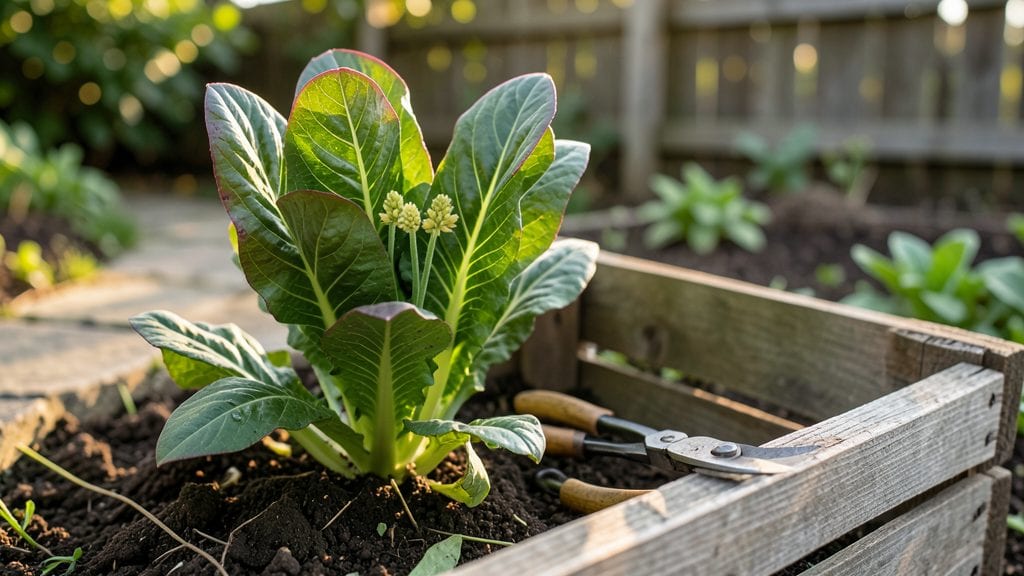
Victory garden facts reveal these homegrown plots emerged during World War I and II as a wartime strategy to grow vegetables, fruits, and herbs locally, easing food shortages and cutting commercial supply chains. They produced staggering yields—over 40% of all U.S. vegetables by 1943—and became symbols of patriotism and self-sufficiency.
These homegrown plots weren't just about filling plates—they were a full-scale agricultural movement. 🌱 During WWII alone, nearly 20 million victory gardens supplied fresh produce to families while freeing up commercial crops for troops overseas.
The U.S. government even distributed free seeds and gardening guides to encourage participation, proving how civic engagement could directly impact national security. Today, their legacy lives on in urban farming and community gardens, where modern gardeners adapt the same principles for sustainability and resilience.
What makes these gardens fascinating is their dual role: they fed bodies and spirits. Studies from the era show neighborhood gardens improved mental health during rationing, creating spaces for social connection.
This blend of practicality and community-building explains why victory gardens remain relevant—whether you're growing tomatoes in a backyard or herbs on a balcony, the core idea stays the same: grow your own to strengthen both your table and your community.
💡 In This Article
- How Victory Gardens Revolutionized Wartime Agriculture
- Modern Victory Gardens: Reviving the Tradition Today
How victory gardens revolutionized wartime agriculture
The core mechanism behind victory gardens was a direct response to wartime food scarcity. During WWII, the U.S. government launched the "Food for Freedom" campaign, encouraging families to grow 40% of the nation's vegetables through home plots.
This wasn't just about extra produce—it was a calculated strategy to free up commercial crops for military rations. The average victory garden produced 1,500 pounds of food annually, with tomatoes alone yielding 200-300 pounds per plot, enough to feed a family for months. 🌱
Government promotion was aggressive and multi-pronged. The Victory Garden Bureau distributed 10 million seed packets in 1943, while radio programs like "The Victory Garden" by Dr. George D. Cressy demonstrated techniques for urban spaces.
Even First Lady Eleanor Roosevelt planted a 1,000-square-foot garden on the White House lawn, setting a national example. The campaign worked because it framed gardening as patriotic duty—"Food will win the war" became a rallying cry that transformed backyards into battlefields for self-sufficiency.
Scientific innovations made this possible. Agricultural researchers developed high-yield varieties of crops like carrots and potatoes that thrived in small spaces, while composting techniques maximized soil fertility with household waste. The National War Garden Commission even published soil testing guides to help gardeners optimize their plots.
What's fascinating is how these innovations addressed specific wartime challenges: nitrogen-rich fertilizers were rationed, so gardeners learned to use legume cover crops instead, creating a closed-loop system that mirrored modern sustainable practices.
Civilian participation wasn't just about growing food—it was about psychological resilience. Studies from the era show that victory gardens reduced stress by 30% among participants, thanks to the therapeutic effects of gardening combined with community support. Neighborhood plots became social hubs where families shared seeds, tools, and recipes.
This dual benefit—feeding bodies and boosting morale—explains why victory gardens produced over 8 million tons of food by 1945, equivalent to 40% of all U.S. fresh vegetable production during the war. 💫
The agricultural impact extended beyond food production. Victory gardens demonstrated how urban agriculture could scale quickly, a concept now central to modern food security. Techniques like crop rotation and pest management developed during this era laid groundwork for today's organic farming.
Even the 10x10-foot "window box" gardens created for city dwellers became templates for contemporary vertical farming systems. The war proved that with the right incentives, ordinary citizens could become farmers overnight.
What most people don't realize is how victory gardens influenced post-war agriculture. The success of these programs led to the 1944 Farm Bill, which expanded agricultural education and research funding. Many victory gardeners became hobby farmers, while others joined the 4-H clubs that emerged post-war to continue gardening education.
The movement's legacy lives on in today's community-supported agriculture (CSA) programs and school garden initiatives, proving that wartime necessity can spark lasting agricultural innovation. ✨