Pruning
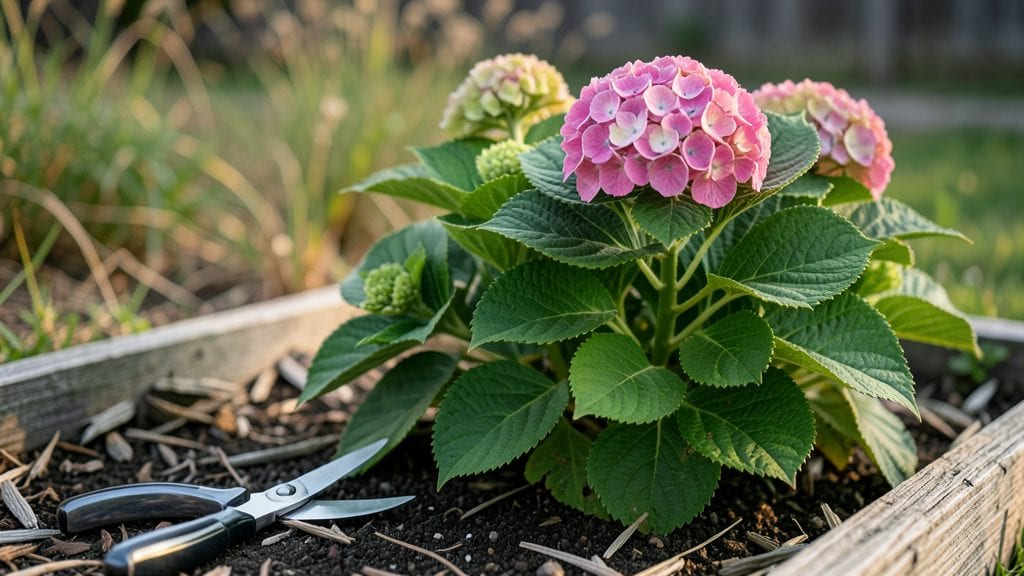
Precision cuts start with the right garden trimming tools—your secret weapon for year-round plant health. I’ve learned the hard way that using the wrong tool for the job can damage plants or make the task frustratingly inefficient.
The difference between a clean cut and a jagged tear often comes down to choosing the right pair of shears or lopper for each job.
Your basic toolkit should include bypass pruners for small branches, loppers for thicker stems up to 2 inches, and hedge shears for shaping shrubs. Don’t overlook a pruning saw for stubborn wood—it’s saved me countless hours of struggling.
For beginners, I recommend starting with a high-quality, mid-range bypass pruner and a sturdy pair of loppers, as these handle 80% of garden trimming needs.
Proper maintenance keeps tools sharp and rust-free, ensuring clean cuts that heal faster and encourage new growth. A quick wipe-down after use and occasional oiling of metal parts extend their lifespan.
When used correctly, these tools transform overgrown bushes into neat, thriving plants that bloom more abundantly and resist disease better.
Advanced gardeners might add ratchet pruners for heavy branches or electric shears for large hedges, but even these rely on the same principles: sharpness, proper technique, and knowing when to step back.
The right tools make trimming feel like an extension of your hands—not a chore. Let’s get you set up for success.
📚 In This Guide
- What you need
- Instructions
- Tips and common mistakes
- Wrapping up and next steps
What you need
- ● Pruning Shears (Bypass or Anvil): 1 pair (5-8" blades) – for clean cuts on small branches and stems.
- ● Loppers: 1 pair (24-36" handles) – for thicker branches (up to 2" diameter).
- ● Hedge Shears: 1 pair (long or short handles, depending on height) – for shaping hedges and shrubs.
- ● Pruning Saw: 1 (for stubborn, thick branches over 2" in diameter).
- ● Garden Gloves: 1 pair (cut-resistant, breathable material) – to protect your hands.
- ○ Knee Pads or Stool: 1 (optional but helpful for comfort during long sessions).
- ● Disinfectant (Rubbing Alcohol or Bleach Solution): Small bottle – to sterilize tools between cuts and prevent disease spread.
- ● Sharpener or File: 1 (for maintaining blade sharpness).
- ● Extension Pole Attachment: For hedge shears or loppers (for hard-to-reach areas).
- ● Pruning Sealant: Small tube – to seal cuts on larger branches and prevent decay.
- ● Garden Twine or Rubber Bands: For marking branches that need attention.
- ● Wheelbarrow or Bag: To collect clippings and debris efficiently.
- ● Safety Glasses: 1 pair – to protect your eyes from flying debris.
Step-by-step guide to selecting and using precision garden trimming tools
Here’s how to build a toolkit that delivers clean cuts and promotes plant vitality year-round.
Identify the Right Tools for Your Plants and Tasks
Start with a bypass pruner for clean cuts on stems up to ¼ inch thick. These sharp, scissor-like blades create minimal damage, which is critical for shrubs and perennials. For thicker branches—½ to 1½ inches—opt for loppers with long handles to leverage your arm strength without straining. If you’re tackling mature trees or dense foliage, a pruning saw with a curved blade will handle the job without tearing bark.
Don’t overlook hedge shears for shaping boxwoods, yews, or topiaries. Their long, serrated blades allow you to trim large surfaces evenly, but avoid using them on woody stems—they’ll dull quickly. For delicate flowers or fine trimming, a concave blade pruner is ideal; its curved edge prevents crushing stems. Match your tools to the plant’s size and structure to avoid unnecessary struggle.
Sharpen and Maintain Your Tools for Optimal Performance
Dull blades tear rather than cut, leaving jagged wounds that invite disease. Hone your pruners and loppers with a file or sharpening stone, focusing on the cutting edge at a 20-degree angle. Test the sharpness by slicing a piece of paper—if it tears, keep sharpening. After each use, wipe blades clean with a damp cloth and apply a light coat of mineral oil to prevent rust. Store tools in a dry, covered space to protect them from moisture and debris.
Inspect handles for cracks or splinters before each season. Replace them if they feel loose or show signs of wear, as a secure grip is essential for precision. For tools with ratcheting mechanisms, like some loppers, apply a silicone-based lubricant to moving parts to ensure smooth operation. A well-maintained toolkit lasts decades and ensures every cut is clean, reducing stress on your plants.
Master the Technique for Healthy Cuts
Always cut just above a bud or lateral branch at a 45-degree angle, sloping away from the bud to prevent water from pooling and rotting the wound. For woody stems, make the cut ¼ inch above a node (the bump where leaves or branches emerge) to encourage new growth from that point. Avoid leaving stubs—these attract pests and weaken the plant. When pruning flowering shrubs, time your cuts to remove spent blooms just as new buds form, typically in early spring or late winter.
For larger branches, use the three-cut method to avoid bark tearing: First, make an undercut on the underside of the branch about 6 inches from the trunk. Then, cut from the top side, leaving a small stub. Finally, remove the stub by cutting flush with the trunk. This technique minimizes damage and promotes faster healing. Always disinfect blades between cuts on infected plants to prevent spreading disease.
Seasonal Adjustments for Year-Round Maintenance
Spring is the time to prune for shape and remove dead wood, while summer trimming focuses on lightening the canopy to improve airflow and reduce humidity-related diseases. In fall, clean up diseased foliage and weak growth to prepare for dormancy. Winter is ideal for structural pruning of trees and shrubs, as most plants are dormant and less stressed by cuts. Adjust your tool selection based on the season—lighter shears for spring flowers, stronger loppers for late-winter cleanup.
Pay attention to the growth patterns of your plants. Fast-growing varieties like willows or aspens may need monthly trims to control size, while slower growers like boxwoods can wait until early spring. Always step back after pruning to assess the plant’s shape—you’re sculpting its future growth. If a plant looks uneven, make incremental cuts over 2-3 sessions to avoid over-stressing it.
Store and Organize Tools for Longevity
After the growing season, clean tools thoroughly with a mild soap solution to remove sap and debris, then dry them completely before storing. Hang pruners and shears by their loops or hooks to keep blades dry and prevent damage. Loppers and saws should be stored vertically in a tool rack or wall-mounted organizer to save space and protect edges. Label each tool with its purpose or the plants it’s used for—this saves time and reduces confusion during busy pruning days.
Keep a small repair kit on hand with replacement blades, screws, and a file for quick fixes. If a tool feels unbalanced or wobbly, check for loose parts or misalignment. A well-organized toolkit not only extends the life of your equipment but also makes pruning more efficient and enjoyable. With the right tools and techniques, your garden will thrive with minimal effort and maximum impact.
Tips & tricks for perfect garden trimming tools
These precision-focused strategies will transform your garden maintenance from routine chores to intentional care that enhances plant health and longevity.
Tool Selection Strategy: Invest in a high-quality bypass pruner as your workhorse tool—its clean cuts on stems up to ¼ inch thick are non-negotiable for shrubs and perennials. I've found that pairing it with loppers for branches ½ to 1½ inches thick creates the perfect size range coverage. For larger branches, the curved blade on pruning saws is a game-changer; it prevents bark tearing that can take years to heal. Remember, the right tool for each job isn't just about convenience—it's about plant health.
Maintenance Rituals: Never skip the sharpening step in Step 2—dull blades create jagged wounds that invite disease. I test sharpness by slicing a piece of paper; if it tears instead of cleanly cutting, it's time to sharpen. After each use, I wipe blades with a damp cloth and apply mineral oil, which has extended the life of my tools by years. The 20-degree angle for sharpening might seem precise, but it makes all the difference in clean cuts that heal properly.
Technique Precision: The 45-degree angle mentioned in Step 3 isn't just aesthetic—it's crucial for water runoff. When cutting above a bud at this angle, you're creating a natural channel that prevents water pooling. For larger branches, the three-cut method in Step 3 might seem tedious, but it's worth every extra minute. I've seen branches heal dramatically faster when this technique is used properly, with minimal bark tearing that could otherwise take years to recover from.
Seasonal Adaptation: Your toolkit should evolve with the seasons. I keep lighter hedge shears handy for spring flower pruning, but switch to heavier-duty loppers for late-winter cleanup when branches are often more brittle. The incremental pruning approach for uneven plants—spreading cuts over 2-3 sessions—has saved me from over-stressing plants that would have struggled to recover otherwise. This method might seem counterintuitive when you're eager to finish, but the long-term plant health benefits are undeniable.
Pro Tips for Trimming Tools For Garden
- These precision-focused strategies will transform your garden maintenance from routine chores to intentional care that enhances plant health and longevity.
- Tool Selection Strategy: Invest in a high-quality bypass pruner as your workhorse tool—its clean cuts on stems up to ¼ inch thick are non-negotiable for shrubs and perennials.
- Maintenance Rituals: Never skip the sharpening step in Step 2—dull blades create jagged wounds that invite disease.
Frequently asked questions
Got questions about choosing, using, or maintaining the best garden trimming tools? You’re not alone! Here are answers to the most common queries to help you trim like a pro—no guesswork required.
What’s the best garden trimming tool for small shrubs vs. large trees?
For small shrubs, bypass pruners (with sharp, curved blades) are ideal—they make clean cuts without crushing stems. For large trees or thick branches, opt for loppers (18–24" handles) or a pruning saw (for branches >1.5" thick). Pro tip: Pole saws are a game-changer for high-reach trimming!
When is the best time to trim plants to avoid damaging them?
Timing depends on the plant! Spring (just before new growth) is best for most shrubs, while late winter works for dormant trees. Avoid trimming in fall—it stresses plants before winter. Flowering plants? Trim right after blooming to encourage next year’s flowers. Always check your plant’s specific needs!
Are expensive trimming tools worth the investment, or can I use cheaper alternatives?
Investing in high-quality tools (like bypass pruners or anvil pruners with replaceable blades) pays off long-term—they last years and reduce hand fatigue. Cheaper tools can work for occasional use, but they dull faster and may crush stems. Budget tip: Start with a mid-range pruner (~$20–$40) and upgrade as you grow your gardening skills!
How do I sharpen or maintain my garden trimming tools to keep them in top shape?
Sharpen blades with a file or sharpening stone (hold at a 20° angle for pruners). After use, clean with soap and water, then oil metal parts to prevent rust. Store tools in a dry place—never leave them outside after rain. Pro move: Hone blades every 2–3 uses for precision cuts!
What should I do if my pruning shears keep jamming or making uneven cuts?
Jamming often means dull blades or sap buildup. Clean with rubbing alcohol, then sharpen. Uneven cuts? Check blade alignment—blades should meet evenly when closed. If the problem persists, replace the tool. Quick fix: Rotate the tool 180° mid-cut to test balance.
Still stumped? Drop your question in the comments—we’re happy to help you trim with confidence!
Wrapping up and next steps
Choosing the right trimming tools for your garden is the secret to keeping your plants thriving year-round! 🌿 Whether you’re pruning roses, shaping hedges, or maintaining shrubs, the perfect tool makes all the difference.
Now that you’re armed with knowledge—from bypass pruners to electric trimmers—it’s time to roll up your sleeves and get growing!
Start small: test a few tools in your garden this weekend and see which feels just right. Happy trimming leads to healthier plants and a more beautiful outdoor space—so grab your gear and make your garden the envy of the neighborhood! 🌟