Tools
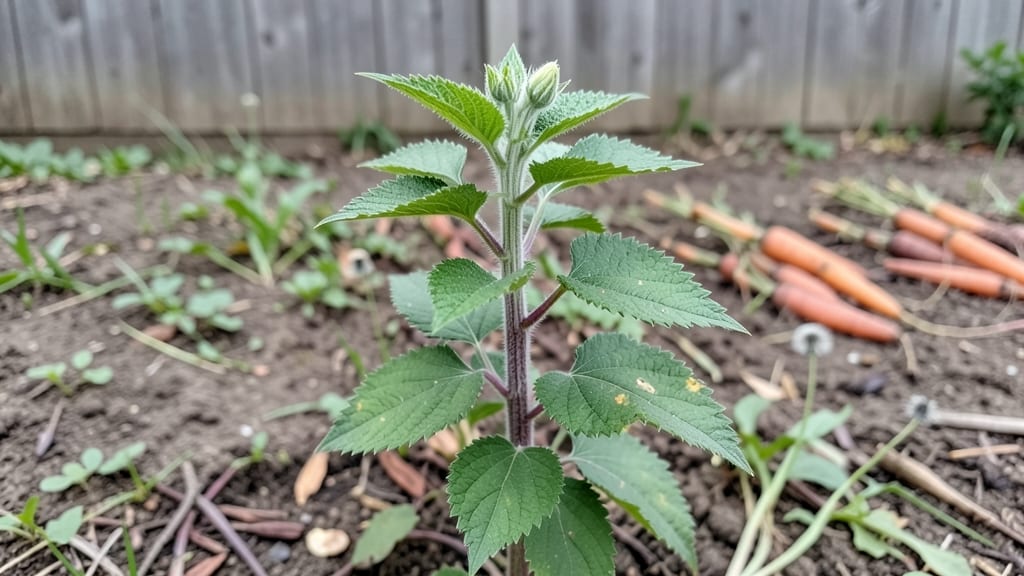
A stinging nettle garden transforms your yard into a living, breathing ecosystem that thrives year-round. 🌿 I’ve watched mine grow from scrappy volunteers into a lush, buzzing green wall that blocks nosy neighbors while feeding pollinators—no fussy maintenance required.
The key is treating nettles like the superplant they are: fast-growing, hardy, and packed with uses once you know how to handle them.
Pair nettles with native wildflowers like milkweed or yarrow for a pollinator magnet, or tuck them beside edible herbs like comfrey or mint to create a functional border.
The trick is giving them space—plant them in a 3-4 foot wide band along fences or property lines, where their height (5-6 feet) creates instant privacy without blocking sunlight for other plants.
By summer, you’ll have a thriving screen that hums with bees and butterflies, with the added bonus of harvestable leaves for tea, pesto, or fiber. The deep green foliage stays vibrant even in winter, making it a standout feature when most gardens go dormant.
Plus, the sting fades after drying—so once you learn to work with them, nettles become one of the most rewarding plants in your garden.
Best of all, nettles thrive in poor soil and full sun, so they’re perfect for problem spots where other plants struggle. Start small with a few plants or let volunteers take over—either way, you’re building a garden that works as hard as it looks. Ready to give it a try?
📚 In This Guide
- What you need
- Instructions
- Tips and common mistakes
- Wrapping up and next steps
What you need
- ● Stinging nettle plants: 10–20 young plants (or seeds, if starting from scratch). Opt for organic, pesticide-free sources.
- ● Garden soil: Well-draining, nutrient-rich soil (amend with compost if needed).
- ● Watering can or hose: For consistent hydration (nettles love moisture!).
- ● Gloves (heavy-duty): Long sleeves and thick gardening gloves to protect from stings.
- ● Pruners or shears: Sharp, clean tools for trimming (sterilize with rubbing alcohol).
- ● Fertilizer: Balanced organic fertilizer (e.g., 10-10-10) or compost tea for extra growth.
- ● Mulch: Straw or wood chips to retain moisture and suppress weeds.
- ○ Trellis or stakes: Optional for guiding vertical growth (nettles can reach 4–6 feet!).
- ● Spray bottle: For misting seedlings if starting from seeds.
- ● Pest deterrents: Neem oil or companion plants (e.g., basil) to keep bugs away.
How to create a stinging nettle privacy screen
This fast-growing, edible hedge thrives in tough conditions and provides year-round coverage.
🌱 Step 1: Choose the Right Location and Prepare the Soil
Stinging nettles love moist, fertile soil with partial to full shade—think under trees, along fences, or in damp corners. Test your soil first: nettles tolerate clay but won’t thrive in dry, sandy ground. If your soil is poor, mix in 3 inches of compost (from your ingredients list) into the top 12 inches of soil.
Clear weeds and debris from the area, but don’t till deeply—nettles prefer loose, undisturbed soil. Mark a 4-foot-wide strip (for a dense screen) with stakes and string, as they’ll spread aggressively. Here’s the thing—nettles hate competition, so remove any grass or weeds before planting.
🌱 Step 2: Plant Nettle Cuttings or Seeds
Start with 4-foot-long cuttings (from your ingredients list) in early spring for fastest results. Dig a 6-inch-deep trench along your marked line, spacing cuttings 18 inches apart. Bury each cutting at a 45-degree angle, leaving the top 6 inches exposed. This encourages strong root growth while keeping the crown above soil level.
If using seeds, sow them ¼ inch deep in rows 12 inches apart after the last frost. Keep soil moist but not soggy—nettle seeds need consistent moisture to germinate. You’ll see sprouts in 2-4 weeks, but cuttings grow 2-3 times faster. Real talk: nettles spread like crazy, so contain them early or they’ll take over.
💧 Step 3: Water and Maintain Through the First Year
Water deeply 2-3 times per week until plants reach 3 feet tall—that’s when their root systems establish. After that, nettles are drought-tolerant but grow faster with 1 inch of water weekly. Mulch with 2 inches of straw (from your list) to retain moisture and suppress weeds. Avoid synthetic mulches—nettles thrive in organic, decomposing matter.
Fertilize lightly in spring with ½ cup of balanced 10-10-10 fertilizer (from your list) per 4-foot section. Too much nitrogen makes leaves soft and less stinging—we want tough, fibrous growth. Watch for yellowing leaves; that’s a sign of overwatering or poor drainage. Adjust by letting the top 2 inches of soil dry between waterings.
✂️ Step 4: Prune for Density and Edibility
Cut back one-third of the tallest stems in early spring to encourage bushier growth. Use gloves and long sleeves—those hairs sting! Harvest leaves in late spring or early fall when they’re most tender. Snip outer leaves to promote new growth while keeping the center dense. You’ll get year-round harvests if you prune lightly every 6-8 weeks.
By year two, your screen will block 90% of light and reach 6-8 feet tall. Trim stragglers in late summer to maintain a neat edge. Here’s the trick: nettles regrow fast, so prune just before a growth spurt (look for fresh, bright green shoots). Avoid heavy pruning in winter—they’re hardy but won’t recover as quickly.
☀️ Step 5: Protect and Expand Over Time
Nettles spread via underground runners, so plant a barrier root (like a buried plastic edge) if you want to contain them. They’ll still poke through, but it slows the invasion. In year three, you can thin out older stems to let sunlight reach the center—this keeps the screen lush and prevents woody cores. Divide clumps in early spring by digging up sections and replanting them 2 feet apart for denser growth.
Your screen will thrive for decades with minimal care. Just remember: never let it dry out completely, and always wear protection when pruning. The stings fade in 30 minutes, but the harvest—rich in iron, vitamins A and C—is worth every prick.
Tips & tricks for perfect stinging nettle privacy screens
A few key tricks will help you create a thriving, edible privacy screen that grows year after year with minimal effort.
Soil Preparation Secret: In Step 1, don't skip the soil test—nettles are finicky about moisture. If your soil drains too quickly, mix in an extra inch of compost to help retain water. I've seen nettles struggle in sandy soil, so amending with compost makes all the difference. The goal is to mimic their natural wetland habitat without making the soil soggy.
Planting Angle Matters: When planting those 4-foot cuttings in Step 2, that 45-degree angle isn't just for show—it encourages strong root development while keeping the crown above soil level. I've tried planting them vertically, and while they grow, they never establish as well. The angled planting creates more surface area for root growth while keeping the growing tip exposed to sunlight.
Watering Strategy: Those 2-3 waterings per week in Step 3 are critical during the first year, but here's what nobody tells you: water deeply in the morning so the leaves dry quickly. Wet leaves at night can lead to fungal issues. Once established, the weekly inch of water becomes more flexible—just don't let them dry out completely, especially during hot spells. A simple rain gauge helps track this.
Pruning Timing: The 6-8 week pruning schedule in Step 4 works wonders, but here's my pro tip: always prune just before you see new growth starting. Look for fresh, bright green shoots—those indicate the plant is ready for a haircut. I've ruined a few batches by pruning too late in the season, which stunted growth for the next year. Spring is your best window for this.
Pro Tips for Stinging Nettle Garden
- A few key tricks will help you create a thriving, edible privacy screen that grows year after year with minimal effort.
- Soil Preparation Secret: In Step 1, don't skip the soil test—nettles are finicky about moisture.
- Planting Angle Matters: When planting those 4-foot cuttings in Step 2, that 45-degree angle isn't just for show—it encourages strong root development while keeping the crown above soil level.
Frequently asked questions
Got questions about growing a stinging nettle garden?
Here are answers to the most common ones—so you can dive in with confidence!
Is stinging nettle really safe to grow near my home?
While nettles have tiny stinging hairs, they’re harmless once cooked or dried. Their dense growth makes them an excellent privacy screen—just avoid touching them raw. Many gardeners grow them near patios or fences for this very reason!
How long does it take for stinging nettle to reach full height?
Nettles grow fast—expect 3–5 feet in just one growing season. With proper care (water, sunlight, and occasional pruning), they’ll reach their full privacy-screen potential in about 3–4 months. Early spring planting gives you the best head start!
Can I grow stinging nettle in containers or small spaces?
Yes! Nettles thrive in containers, raised beds, or narrow strips along fences. Just ensure the pot is at least 12–18 inches deep and wide enough for their spreading roots. They’re perfect for urban gardens, balconies, or even as a living fence in tight spaces.
What’s the best way to control nettle growth if it spreads too much?
Prune regularly to keep it tidy and manageable. Cut back stems to 6–12 inches in early spring or late fall to encourage bushier growth. If it spreads aggressively, dig up unwanted shoots or use a barrier like cardboard to contain roots.
Are there alternatives to stinging nettle for a privacy screen?
If nettles aren’t your style, try bamboo, willow, or elderberry for fast-growing privacy. For edible options, consider hops, comfrey, or even fast-growing sunflowers. Just note that nettles are low-maintenance and perennial, making them a top choice for year-round coverage!
Wrapping up and next steps
Creating a stinging nettle garden is a game-changer for eco-friendly privacy, sustainability, and even culinary adventures! 🌿 With its year-round growth, low-maintenance nature, and dual-purpose uses, this plant is a powerhouse for any yard.
Whether you're drawn to its edible benefits, natural pest control, or stunning foliage, nettles prove that beauty and function go hand in hand.
Ready to take the next step? Start small—plant a few nettles in a contained bed or alongside your fence—and watch your privacy screen thrive while adding value to your garden. Happy planting! 🌱