
Diseases
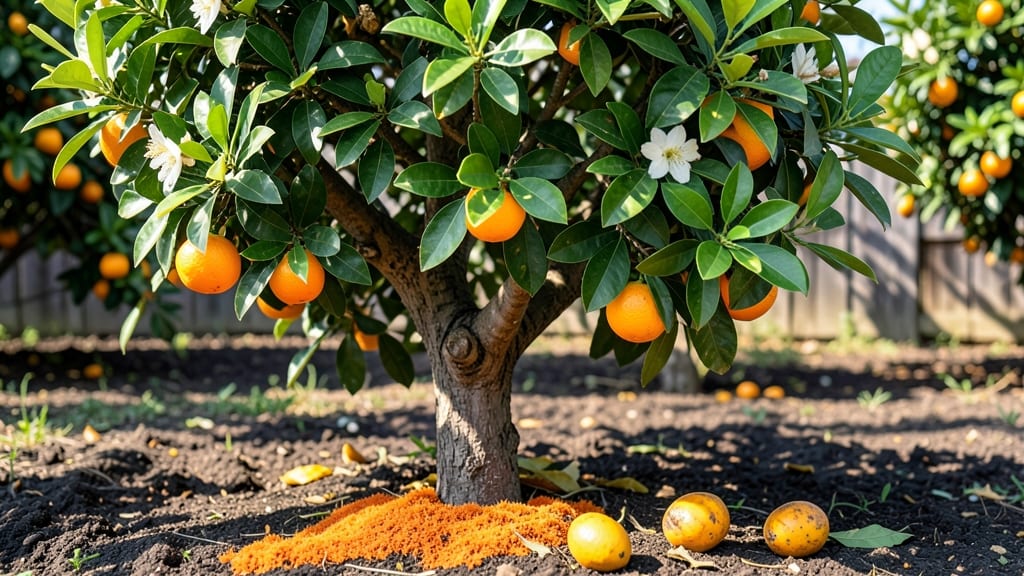
That orange fungus in your garden isn’t just weird—it’s a fungal takeover, and the clock’s ticking. 🌿 I’ve seen this Armillaria or Sclerotium rot destroy gardens in weeks, but there’s a quick fix if you act fast.
The key? Spotting the difference between harmless lichen and the aggressive stuff that chokes roots and stems.
Most gardeners wait too long because they confuse harmless orange growth with the real threat. That fuzzy, cottony mat? Danger. The slow-spreading, woody fan-shaped patches? Even worse. The good news? A 5-minute inspection of your soil moisture, mulch, and plant stress levels can save your garden before it’s too late.
You’ll learn to stop the spread in 24 hours with simple tools—no fancy chemicals needed. Think copper spray for immediate relief, baking soda for prevention, and a few tweaks to your watering routine that make all the difference.
The goal isn’t just to clean up the mess but to rebuild soil health so this never happens again.
Perfect for gardeners who’ve lost plants to mystery orange growth or want to prevent it before it starts. Let’s get your garden back to thriving—no more slow, creeping destruction.
Root Causes Of Fungal Growth
If you’ve spotted an orange fungus garden creeping across your soil, plants, or compost, it’s not just an eyesore—it’s a sign of underlying conditions that need addressing. Understanding why this happens is the first step to stopping it before it spreads.
Below, we break down the most common triggers, backed by science, so you can take action with confidence.
Fungi thrive in damp, oxygen-poor environments. When soil stays soggy for too long—whether from overwatering, poor drainage, or heavy rainfall—it creates the perfect breeding ground for fungal spores. Orange or rust-colored fungal growth (often Rhizoctonia or Pyricularia) appears as a direct response to these conditions.
Why it happens:
- 🔬 Lack of oxygen: Water fills soil pores, suffocating beneficial microbes and encouraging anaerobic (oxygen-free) conditions where fungi dominate.
- 💧 Excess moisture: Fungal hyphae absorb water efficiently, allowing them to spread rapidly. Some species, like Armillaria (honey fungus), release enzymes that break down organic matter faster in wet soil.
- 🌡️ Temperature + humidity: Warm, humid soil (60–80°F) accelerates fungal metabolism, turning a minor issue into an outbreak within days.
Actionable fix:
Test your soil’s moisture by squeezing a handful—if water drips out, it’s too wet. Amend with perlite or sand to improve drainage, and water only when the top 1–2 inches feel dry.
Compost, mulch, and decaying plant material are nutrient-rich—but when left unbalanced, they become a smorgasbord for fungi. Orange fungal growth often appears in piles of unturned compost, under thick mulch layers, or around rotting wood where decomposition slows.
Why it happens:
- 🧪 Carbon-to-nitrogen (C:N) imbalance: Too much carbon (e.g., dry leaves, wood chips) without enough nitrogen (e.g., grass clippings, manure) creates acidic, anaerobic conditions. Fungi like Aspergillus or Penicillium flourish here, producing pigmented spores.
- 🔄 Stagnant decomposition: Without aeration (via turning or tilling), organic matter ferments, producing heat and moisture that trigger fungal spores to germinate.
- 🌿 Lack of competition: Fungi outcompete bacteria and beneficial microbes when conditions favor them, leading to visible orange or rust-colored colonies.
Actionable fix:
Turn compost piles every 1–2 weeks to introduce oxygen. Balance C:N ratios with greens (nitrogen-rich) and browns (carbon-rich). For mulch, keep layers 2–3 inches thick and avoid piling against plant stems.
Fungal spores are everywhere—air, soil, tools, even on your shoes—but they only cause problems when they find a vulnerable host. Orange fungal growth often signals a pathogenic species (like Fusarium or Sclerotinia) that’s been introduced or allowed to spread unchecked.
Why it happens:
- 🌍 Contaminated tools or soil: Pruners, shovels, or potting mix can carry spores from infected plants. Even reused containers may harbor dormant fungi.
- 🌿 Weakened plants: Stressed plants (from drought, nutrient deficiency, or pest damage) have lowered defenses, making them easy targets for fungal invasion.
- 🔄 Monoculture gardening: Growing the same plant species repeatedly exhausts soil health, leaving fungi as the dominant decomposer.
Actionable fix:
Sterilize tools with 70% isopropyl alcohol between uses. Rotate crops annually and avoid planting susceptible species (e.g., tomatoes, peppers) in the same spot. Remove and dispose of (not compost) infected plant debris.
Fungi are opportunistic—they don’t just need moisture; they need the right climate to activate. Orange fungal growth often peaks in warm, humid conditions, especially during late spring or early fall when temperatures hover around 70–80°F and humidity stays high.
Why it happens:
- 🌡️ Optimal growth range: Most soil-borne fungi thrive between 60–85°F. Above 90°F, many slow down, but below 50°F, they may lie dormant—only to reactivate when conditions improve.
- 💦 Condensation and leaf wetness: Morning dew or overhead watering keeps plant surfaces damp for hours, giving fungi direct access to tissues.
- 🌬️ Stagnant air: Dense foliage or greenhouses trap humidity, creating microclimates where fungal spores germinate rapidly.
Actionable fix:
Water in the early morning so foliage dries by evening. Use drip irrigation or soaker hoses to avoid wetting leaves. Improve airflow with pruning or spacing plants 12–24 inches apart.
Key takeaway: Orange fungal growth is rarely a single issue—it’s usually a combination of moisture, organic matter, pathogens, and climate. By addressing these root causes, you’ll not only stop the spread but also create a healthier growing environment for your plants.
Quick Fixes for Fungal Overgrowth
Fungal overgrowth in your garden—like the dreaded orange fungus—can feel like a stubborn guest that won’t leave. But don’t worry! With the right approach, you can restore balance and prevent future outbreaks.
Below, we break down practical solutions tailored to common causes, from soil issues to overwatering and poor airflow. Each fix includes actionable steps and prevention tips to keep your garden thriving.
Cause: Too much moisture creates the perfect damp, dark environment for fungal spores to spread like wildfire.
Fix It:
- Stop Watering Immediately 💧➡️🚫
- Let the soil dry out completely before watering again. Stick your finger 1–2 inches deep—if it’s soggy, wait.
- Improve Drainage 🏗️💦
- Amend heavy clay soil with perlite, sand, or compost to loosen it up.
- For container gardens, add drainage holes and a layer of gravel at the bottom.
- Apply Fungicide (Optional but Helpful) 🛡️🍄
- Use a copper-based fungicide or neem oil spray (1 tsp neem oil + 1 tsp mild soap per quart of water). Reapply every 7–10 days.
Prevent It: ✅ Water deeply but infrequently—early morning is best to allow foliage to dry. ✅ Mulch properly—use straw or wood chips (not thick layers) to retain moisture without suffocating roots. ✅ Avoid overhead watering—use drip irrigation or a watering can at the base.
Cause: Dense, nutrient-poor soil traps moisture and blocks airflow, giving fungi a foothold.
Fix It:
- Aerate the Soil 🪓🌱
- Use a garden fork to poke holes 6–12 inches deep, breaking up compacted layers.
- For lawns, rent a core aerator to pull out small soil plugs.
- Boost Organic Matter 🌿♻️
- Mix in compost, aged manure, or worm castings (2–3 inches) to improve structure and microbial activity.
- Add Beneficial Fungi & Bacteria 🦠💪
- Sprinkle mycorrhizal fungi (available as powder) or bacillus subtilis (a natural soil probiotic) to outcompete harmful pathogens.
Prevent It: ✅ Test your soil every 2–3 years and adjust pH (aim for 6.0–7.0 for most plants). ✅ Rotate crops to prevent fungal buildup in the same spot. ✅ Plant cover crops (like clover or vetch) in off-seasons to enrich soil naturally.
Cause: Crowded plants or shaded areas trap humidity, creating fungal hotspots.
Fix It:
- Prune for Airflow ✂️🌿
- Thin out overgrown branches or remove dead leaves that block circulation.
- For container plants, space them 6–12 inches apart.
- Adjust Shade & Sunlight ☀️🌳
- Move plants to partial sun (4–6 hours of light) if they’re currently in deep shade.
- Use reflective mulch (like white gravel) to bounce light onto shaded areas.
- Use Fans (Yes, Really!) 💨🔥
- A small oscillating fan on low speed can reduce humidity around susceptible plants (like mushrooms or leafy greens).
Prevent It: ✅ Plant in rows with 3–4 feet between plants for good airflow. ✅ Avoid mulching too thickly—keep it 2–3 inches deep to prevent moisture buildup. ✅ Harvest promptly—overripe or fallen fruit/veggies attract fungi.
Cause: Harsh fertilizers or extreme pH levels weaken plants, making them fungal magnets.
Fix It:
- Flush the Soil 🚰🌱
- Water heavily with rainwater or distilled water (avoid tap water if it’s high in chlorine).
- For containers, replace the top 2 inches of soil and repot if needed.
- Balance the pH 📊🔄
- Test your soil with a home kit or send a sample to a lab.
- Lower pH (more acidic)? Add sulfur or pine needles.
- Raise pH (more alkaline)? Use lime or wood ash (sparingly).
- Switch to Organic Fertilizers 🌱💚
- Replace synthetic fertilizers with fish emulsion, compost tea, or seaweed extract to feed soil microbes.
Prevent It: ✅ Use slow-release fertilizers to avoid nutrient spikes. ✅ Avoid over-fertilizing—follow package instructions (half the dose is often enough). ✅ Monitor soil health seasonally with simple tests.
Cause: Severe infestations where fungi have taken over entirely.
Fix It:
- Pull & Dispose of Infected Plants 🗑️🌿
- Do NOT compost—bag affected plants and throw them away to prevent spores from spreading.
- Sterilize Tools & Containers 🧼✨
- Wash pots with 10% bleach solution (1 part bleach to 9 parts water).
- Disinfect pruners with rubbing alcohol between cuts.
- Start Fresh with New Soil 🌱🔄
- If the issue is widespread, replace the top 6 inches of soil or repot in sterilized potting mix.
Prevent It: ✅ Quarantine new plants for 2 weeks before introducing them to your garden. ✅ Rotate planting locations yearly to break fungal cycles. ✅ Keep a garden journal to track what worked (and what didn’t).
💡 Pro Tip: For persistent fungal issues, consider companion planting—some plants (like garlic, chives, or marigolds) naturally repel fungi. A little prevention goes a long way!
Frequently asked questions about orange fungal growth in gardens
Is orange fungal growth always harmful to my plants?
Not necessarily! Some orange growth may be harmless lichens or beneficial mycorrhizal fungi. The key difference? Harmful fungi appear as fuzzy, cottony mats or woody patches that spread rapidly, while lichens grow slowly and don't damage plants. Always check for wilting leaves or root rot before acting.
How quickly can orange fungus spread if left untreated?
Aggressive species like Armillaria (honey fungus) can spread 1–2 feet per year underground, while others like Sclerotium rolfsii move faster above ground. Within 2–4 weeks, you might see entire plants collapse if conditions stay damp. Early action is critical!
Can I use household items to treat orange fungal growth?
Yes! Mix 1 tablespoon baking soda + 1 teaspoon mild soap + 1 quart water for a spray that disrupts fungal cell walls. For stubborn cases, hydrogen peroxide (3%) applied directly (test on a small area first) can kill spores. Always follow up by improving airflow and drainage.
Why does my compost pile keep developing orange fungal growth?
This usually means your compost has too much carbon (browns like leaves) and not enough nitrogen (greens like grass clippings). Turn the pile weekly to add oxygen, and balance the mix with equal parts greens and browns. If it stays too wet, add dry leaves or shredded newspaper to absorb moisture.
When should I call a professional for orange fungal growth?
If the fungus has spread to multiple plant species, appears as woody, shelf-like structures (like honey fungus), or your plants show wilt despite watering, consult an arborist. These signs often indicate advanced root rot that requires soil sterilization or systemic fungicides.