Pests
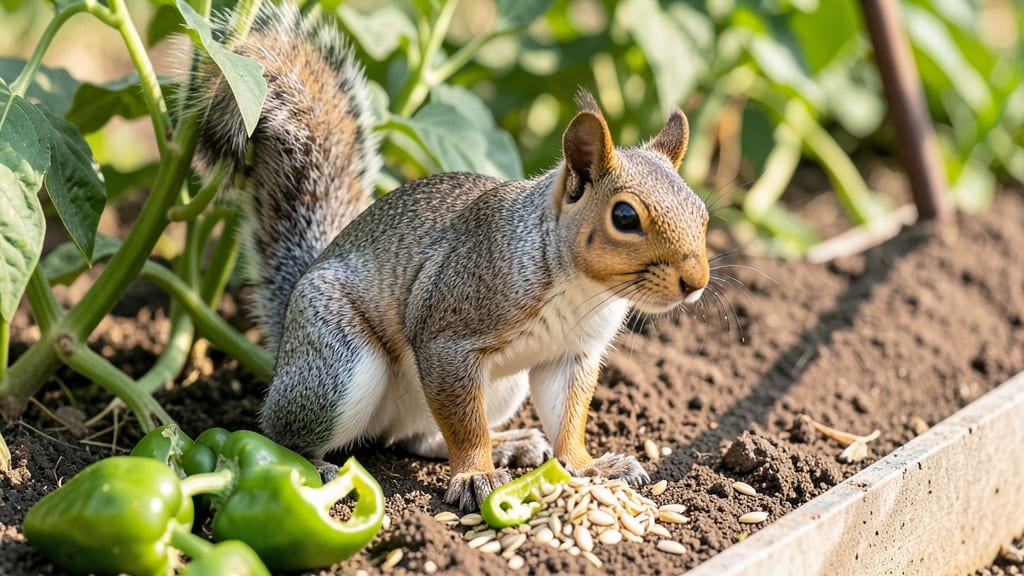
My squirrel prevention garden starts with a few clever tricks that actually work—not the flimsy scare tactics that fail by sunset. 🌱 I’ve lost count of the bulbs and seeds dug up before I realized the right mix of plants, barriers, and timing could turn my garden into a squirrel-free zone.
The key is layered defense: tough-smelling plants like daffodils and alliums around vulnerable spots, physical barriers like wire mesh over raised beds, and humane deterrents like motion-activated sprinklers. Most squirrels give up after a few failed attempts—no traps or cruelty involved.
My vegetable patch now stays intact, and the ornamental beds look exactly how I planted them.
You’ll protect everything from tulip bulbs to fresh-sown lettuce without harming wildlife. The best part? These methods blend into your garden so well, neighbors won’t even notice the difference. Let’s get those pesky chewers outsmarted for good.
Works for containers, in-ground beds, and even balcony gardens—just adjust the scale. No more waking up to a garden that looks like a squirrel buffet.
The Hidden Triggers Inviting Squirrels
Squirrels may seem like harmless, adorable creatures, but when they invade your garden, they can turn into destructive pests. Understanding why they’re drawn to your outdoor space is the first step in creating a squirrel-proof garden.
Here’s a breakdown of the key factors that turn your yard into a squirrel buffet—or playground.
Squirrels are omnivorous opportunists, and your garden may be offering them an all-you-can-eat buffet without you realizing it. Their natural diet includes nuts, seeds, fruits, vegetables, and even birdseed. Here’s what’s luring them in:
- Unsecured bird feeders: Squirrels are exceptionally good climbers and can leap up to 6 feet horizontally to reach hanging feeders. Even if you think they’re not getting to the seed, they’re likely knocking it to the ground or raiding spilled seeds.
- Mature trees with nut-producing seeds: Oak, hickory, walnut, and pecan trees are squirrel superfoods. If your garden has these, squirrels will cache (bury) thousands of nuts nearby, often in your lawn or flower beds.
- Fruit-bearing plants: Tomatoes, berries, grapes, and even citrus fruits are high-protein treats for squirrels. A single ripe tomato can attract a family of them overnight.
- Compost piles and mulch: Decaying organic matter releases smells that signal easy, calorie-rich meals. Squirrels will dig through mulch to find buried seeds or insects.
Pro Tip: 🔍 Check your garden at dusk or dawn—that’s when squirrels scout for food. Look for gnawed plants, scattered seeds, or tiny paw prints near their favorite spots.
Squirrels need safe, dry places to nest, especially during winter or when raising young. If your garden offers these, they’ll treat it like a five-star resort. Common shelter spots include:
- Hollow trees or large branches: Eastern gray squirrels prefer tree cavities (especially those with loose bark), while fox squirrels may build leaf nests (dreys) in dense foliage.
- Attics, sheds, and under decks: Squirrels can squeeze through a gap as small as 2 inches. If they find insulation or nesting material inside, they’ll move in permanently.
- Thick shrubbery or dense ground cover: Areas with low visibility (like ivy-covered walls or tall grass) give squirrels cover to forage undetected.
- Unsecured compost bins: Piles of leaves, straw, or shredded paper provide perfect nesting material—and squirrels will drag it into your garden.
Fun Fact: 🐿️ Squirrels re-line their nests every few weeks to stay dry and pest-free. If they’re nesting in your garden, you’ll see frequent digging or leaf-strewn piles.
In urban and suburban areas, squirrels often face fewer predators than in the wild. This gives them the confidence to claim your garden as their territory. Common predators that keep squirrel populations in check include:
- Birds of prey (hawks, owls, eagles): These are the #1 natural deterrent, but they’re often absent in cities.
- Domestic cats and dogs: While they may scare off squirrels temporarily, they don’t always provide long-term control.
- Foxes and coyotes: Rare in most suburban neighborhoods, but their presence can deter squirrels from overstaying.
Without these threats, squirrels explore, dig, and chew with impunity. Your garden becomes a risk-free zone for them.
Pro Tip: 🦉 Installing a few owl or hawk decoys (and moving them weekly) can trick squirrels into thinking predators are nearby.
Squirrels don’t invade gardens randomly—their behavior changes with the seasons, and each phase brings new risks:
| Season | Squirrel Behavior | Garden Threats |
|---|---|---|
| Spring | Focus on nest-building and raising young. Males forage aggressively to feed females and babies. | Digging up bulbs, chewing young plants, and raiding newly planted seeds. |
| Summer | Actively caching food for winter. More nocturnal activity to avoid heat. | Stealing fruit from trees, stripping bark from young trees, and knocking over hanging baskets. |
| Fall | Hyper-focused on storing nuts. They’ll bury thousands of seeds—some in your lawn or garden beds. | Digging up lawns and flower beds, gnawing on wooden structures, and overwhelming feeders. |
| Winter | Relies on cached food. If natural sources are scarce, they’ll raid gardens for any edible. | Chewing bark on trees, eating winter berries, and digging through snow to find buried nuts. |
Key Takeaway: 📅 Squirrel activity peaks in late summer and fall—this is when they’re most likely to damage your garden. Plan your prevention strategies before these seasons.
Stop Squirrels in Their Tracks
Squirrels may be adorable, but their relentless digging, chewing, and nesting can turn your garden into a battleground. The good news? With the right strategies, you can outsmart these furry intruders naturally—without traps or harsh chemicals.
Below, we break down the most common squirrel problems and the practical, long-term fixes to keep them out of your garden for good.
Squirrels love to unearth newly planted bulbs, tubers, and even young seedlings. Their digging can leave your garden looking like a war zone—and your wallet lighter after replanting.
🌱 Fix: Physical Barriers & Deterrents
- Chicken Wire or Hardware Cloth: Bury a 1-foot-deep barrier (at least ¼-inch mesh) around garden beds, especially where bulbs are planted.
Squirrels can’t dig through it, and they’ll move on to easier targets. - Coffee Grounds or Cayenne Pepper: Sprinkle used coffee grounds or cayenne pepper around vulnerable areas.
The strong scent repels them, and it’s a natural, biodegradable solution. - Rock Mulch: Replace organic mulch with sharp-edged rocks (like lava rock) near high-risk areas. Squirrels dislike the texture and avoid it.
💡 Pro Tip: Reapply coffee grounds or pepper every few weeks, especially after rain, to maintain effectiveness.
Squirrels gnaw through trellises, fences, young trees, and even wooden garden decor—leaving behind jagged teeth marks and structural damage.
👨🍳 Fix: Squirrel-Proofing Materials & Scents
- Metal or Plastic Alternatives: Replace wooden structures with metal trellises, plastic plant stakes, or PVC pipes. Squirrels can’t chew through these.
- Peppermint Oil Spray: Mix 10-15 drops of peppermint essential oil with 1 cup of water in a spray bottle.
Lightly mist chewed areas—squirrels hate the scent and will avoid them. - Slick Surfaces: Wrap tree trunks with aluminum foil or smooth plastic sheeting. The unnatural texture and shine confuse their sense of smell and deter chewing.
✨ Bonus Hack: Hang wind chimes or reflective CDs near problem areas—the movement and noise startle them away.
Squirrels love to build nests in sheds, compost bins, and even under decks, turning your storage spaces into chaotic, chewy dens.
🔪 Fix: Secure Entry Points & Remove Attractants
- Seal Gaps: Inspect sheds, garages, and decks for holes larger than 1 inch (their size!).
Use steel wool + caulk or hardware cloth to block entry. - Remove Food Sources: Store birdseed, pet food, and fallen fruit in metal bins with tight lids. Even a small amount can lure them in. - Ultrasonic Repellents: Place battery-powered ultrasonic devices near nesting spots.
The high-frequency sound waves are harmless to humans but drive squirrels away.
🌡️ Prevention Tip: Clean out old nests before spring—squirrels return to familiar spots if given the chance.
Once your veggies are ripe, squirrels will raid your garden faster than you can pick them, leaving behind half-eaten produce.
⏰ Fix: Harvest Smart & Use Distractions
- Harvest at Dawn/Dusk: Squirrels are most active during daylight, so pick produce early or late to stay one step ahead.
- Netting: Cover fruit trees, berry bushes, and raised beds with fine mesh netting (¼-inch or smaller).
Secure it tightly to prevent chewing. - Fake Food Distraction: Set up a squirrel feeder (far from your garden) with unshelled peanuts or corn. This gives them an easier meal and keeps them occupied elsewhere.
🎯 Game-Changer: Plant squirrel-repellent herbs like lavender, rosemary, or mint near vulnerable crops—they’ll avoid the strong scents.
To keep squirrels out for good, combine multiple strategies and stay consistent: ✅ Eliminate food sources (clean up fallen fruit, secure trash, avoid bird feeders near gardens). ✅ Use scent deterrents (peppermint, coffee grounds, predator urine—available at garden centers). ✅ Block access points (bury wire, seal gaps, use slick surfaces on trees). ✅ Monitor & adjust—rotate repellents every few weeks to prevent squirrels from getting used to them.
Final Thought: Squirrels are persistent, but they’re not invincible. By combining physical barriers, scent deterrents, and smart garden habits, you’ll create a squirrel-proof fortress that keeps your plants—and your sanity—intact. 🐿️🚫🌿
Frequently asked questions
What are the best squirrel-repellent plants to include in my garden?
Try planting daffodils, alliums, lavender, or mint near vulnerable areas. These emit strong scents squirrels dislike. For vegetables, surround crops with rosemary or thyme—their fragrance naturally deters them without harming beneficial insects.
How deep should I bury hardware cloth to protect bulbs?
Bury hardware cloth (¼-inch mesh) at least 12 inches deep around bulb beds. Squirrels can dig up to 10-12 inches, so deeper barriers work best. For extra security, extend it 2-3 inches above ground level to prevent them from tunneling sideways.
Will predator urine really keep squirrels away?
Yes, but use fox or coyote urine (available at garden centers) sparingly. Reapply every 2-3 weeks and avoid spraying on edible plants. The scent mimics natural predators, making squirrels think twice before entering your garden. Always test a small area first.
Can I use motion-activated sprinklers for squirrel control?
These sprinklers startle squirrels with sudden water bursts when they approach. Place them near entry points or high-traffic areas. Battery-operated models work well for small gardens, while solar-powered options cover larger spaces. Just ensure they’re positioned where squirrels can’t chew the hoses.
What should I do if squirrels are nesting in my shed?
First, remove any food sources (like birdseed or pet food) inside. Then, seal all gaps larger than 1 inch with steel wool + caulk. For existing nests, wait until late winter (after young have fledged) to evict them humanely. Use a one-way exclusion device to let them leave but not return.