
Tools
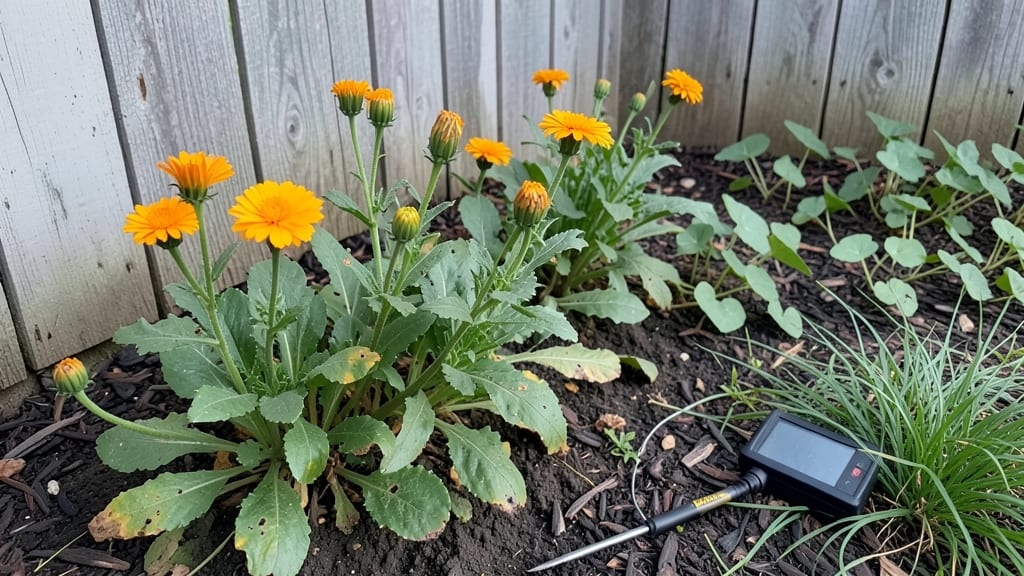
This cutting-edge technology combines soil sensors, AI diagnostics, and app-controlled watering to create optimal growing environments. 🌱 For example, systems like Blossom analyze root health in real time, while Click & Grow's hydroponic pods grow herbs and veggies without soil—ideal for urban apartments.
The biggest advantage? No green thumb required—just plug in your plants and let the tech handle the rest.
What makes these systems stand out is their ability to learn and adapt.
Many now include voice control integration, allowing you to check plant status or adjust settings with simple commands. 💫 The initial investment pays off quickly for those who struggle with traditional gardening challenges like over/under-watering or inconsistent light exposure.
💡 In This Article
- How Smart Garden Sensors Improve Plant Health
- Best Smart Garden Systems for Small Spaces
How smart garden sensors improve plant health
At the heart of these systems are IoT sensors that monitor critical growth factors with precision. Soil moisture sensors, for example, use capacitive technology to detect water content by measuring the dielectric constant of the soil—basically, how much electricity the moisture can conduct.
When the reading drops below an optimal threshold (typically 30-40% moisture for most plants), the system triggers irrigation, preventing both drought stress and root rot. 🌱
The light spectrum is another game-changer. Many smart gardens now use full-spectrum LED arrays that mimic sunlight with adjustable wavelengths.
Plants absorb different colors for photosynthesis (blue for growth, red for flowering), so these systems can shift from a 660nm red spectrum for leafy greens to a 450nm blue spectrum for flowering herbs—like basil or mint—based on the plant's stage.
This targeted lighting boosts yields by up to 40% compared to traditional grow lights.
AI diagnostics take plant health to the next level by analyzing visual and environmental data. Cameras with machine learning algorithms can detect early signs of pests (like aphids or spider mites) by identifying unusual leaf patterns or discoloration.
For instance, yellowing leaves might indicate chlorosis (iron deficiency), while brown spots could signal fungal infection—the system then suggests corrective actions, such as adjusting pH or applying a targeted nutrient spray. 💫
Climate control is where these systems truly shine. Most smart gardens maintain temperature ranges between 65-75°F (depending on the plant) and humidity levels around 50-70%, using built-in fans and humidifiers.
For tropical plants like pothos, the system might increase humidity to 60-80%, while succulents get drier conditions. The automation ensures consistency—something even experienced gardeners struggle to replicate manually.
What’s fascinating is how these sensors work together. For example, if the soil moisture sensor detects dryness but the humidity sensor shows high levels, the system might diagnose an evaporative cooling issue (like a cracked pot) and alert you.
This interconnected approach mimics an expert gardener’s intuition but without the guesswork. 🔥
For beginners, this means fewer failed plants and more confidence. Systems like Blossom even track plant-specific growth curves, so if your basil isn’t thriving, it might suggest adjusting the light cycle or checking for root-bound conditions. The data-driven approach eliminates the trial-and-error frustration that often comes with traditional gardening.