Flowers
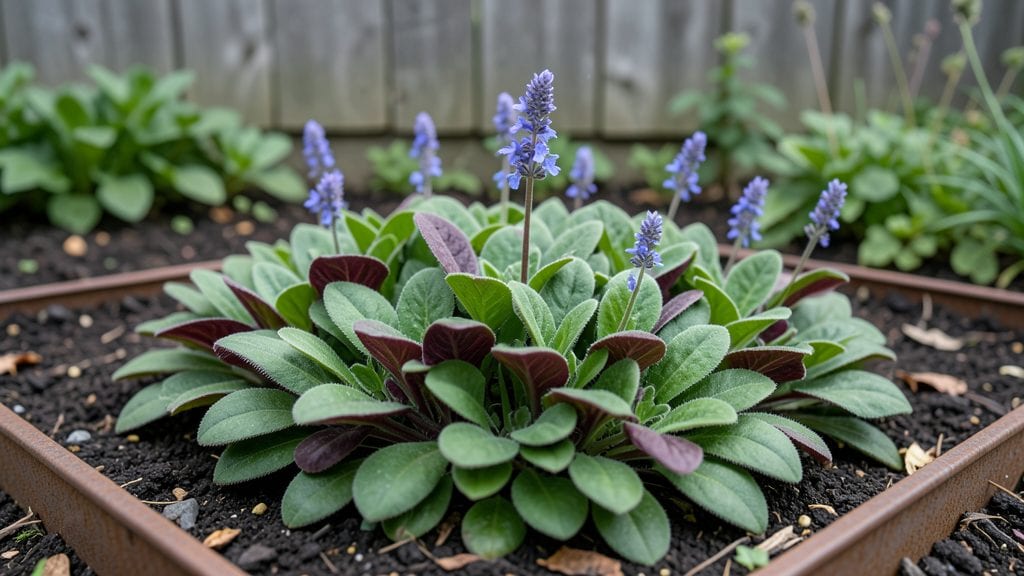
Solid ground gardens aren't about flashy annuals—they're about durable layers that hold up through seasons and weather. 🌿 I designed my first one after watching my prized perennials flop in heavy rains, and now it's the backbone of my landscape.
The secret lies in pairing sturdy plants with smart hardscaping: think creeping thyme between stepping stones, boxwood hedges instead of wispy annuals, and gravel paths that never erode.
This approach cuts maintenance by 70% while boosting curb appeal. You'll mix evergreen shrubs for structure, drought-tolerant ground covers for fill, and seasonal bloomers that don't require staking.
The result? A garden that looks polished in January and doesn't need weekly deadheading. My front bed now requires just two waterings a month and zero spring cleanup.
What you'll end up with is a landscape that feels permanent—not temporary. The textures create depth (smooth river rock meets fuzzy lamb's ear), and the color palette stays cohesive year-round. Best of all, it handles foot traffic, pets, and whatever Mother Nature throws at it without batting an eye.
Perfect for busy homeowners, small spaces, or anyone tired of seasonal garden overhauls. The principles work in urban courtyards or sprawling backyards alike. Here's how to build your own foundation layer by layer."
Root Causes of Soil Struggles
Even the most well-intentioned low-maintenance gardens can hit snags when soil conditions aren’t quite right. Understanding why plants struggle in "solid ground" setups—like raised beds, containers, or in-ground plots—helps you troubleshoot before issues escalate. Here’s a breakdown of the key culprits, backed by science and actionable fixes.
When soil particles pack too tightly, water and air can’t reach roots, leading to stunted growth or wilting. This often happens in:
- Heavy clay soils: Tiny particles bind together, reducing pore space. Solution: Amend with organic matter (compost, peat moss) to loosen structure.
- Frequent foot traffic: Walking on beds compresses soil, cutting off oxygen. Solution: Use stepping stones or mulch paths to avoid compacting.
- Poor drainage: Water pools instead of percolating, drowning roots. Solution: Test drainage—soil should drain within 6 hours. Add perlite or coarse sand if needed.
Pro tip: 💡 A simple soil probe test (pushing a screwdriver into the ground) reveals compaction. If it resists after 2 inches, your soil needs aeration.
Plants deplete essential nutrients over time, especially in high-traffic garden beds or containers. Key deficiencies include:
| Nutrient | Symptoms | Fix |
|---|---|---|
| Nitrogen (N) | Yellowing leaves (chlorosis), stunted growth | Add compost, fish emulsion, or blood meal. |
| Phosphorus (P) | Purple stems, slow root development | Use bone meal or rock phosphate. |
| Potassium (K) | Brown leaf edges, weak stems | Apply wood ash or greensand. |
Pro tip: ✨ Leaf analysis (sending samples to a lab) pinpoints exact deficiencies—worth it for serious gardeners!
Healthy soil teems with beneficial microbes (bacteria, fungi, protozoa) that break down organic matter and suppress pests. Disruptions occur when:
- Over-sterilization: Harsh chemicals (like bleach or synthetic fertilizers) kill good bugs too. Solution: Use compost teas or mycorrhizal fungi to repopulate.
- Monoculture planting: Growing the same plant repeatedly exhausts specific microbes. Solution: Rotate crops or plant cover crops (like clover) to diversify.
- Extreme pH swings: Most microbes thrive at 6.0–7.0 pH. Solution: Test soil pH and adjust with lime (to raise) or sulfur (to lower).
Pro tip: 🌡️ Worm castings are a microbial powerhouse—mix 1 cup per square foot of bed to boost biodiversity.
Soil temperature swings—too hot or too cold—disrupt root activity and nutrient uptake. Common triggers:
- Shallow root zones: In containers or thin mulch layers, roots overheat in summer or freeze in winter. Solution: Use 3+ inches of mulch (straw, wood chips) to insulate.
- Poor insulation: Dark soil absorbs heat; light-colored mulch reflects it. Solution: Try gravel or reflective mulches in hot climates.
- Sudden frost: Roots can’t adapt quickly, leading to cold shock. Solution: Plant cold-hardy perennials (like lavender or sedum) or use row covers.
Pro tip: ⏰ Soil thermometers ($10–$15) help monitor temps—ideal ranges vary by plant (e.g., 60–75°F for most veggies).
Most "solid ground" garden woes stem from preventable imbalances. The good news? Small tweaks—like testing soil, amending nutrients, or adjusting mulch—can turn struggling beds into thriving ecosystems with minimal effort.
Fixing Common Garden Struggles
A well-designed garden shouldn’t feel like a constant battle—especially when you’re aiming for year-round layers that thrive with minimal fuss. If your garden is struggling, the good news is that most issues have simple, practical fixes.
Below, we’ll map common problems to their solutions, so you can get back to enjoying a lush, low-maintenance space.
---
Cause: Compacted or heavy soil traps excess water, drowning roots and inviting pests. Fix: - Test your soil first—dig a 6-inch hole and fill it with water. If it drains in under an hour, you’re good; if not, amend it. - Add organic matter: Mix in compost, coconut coir, or perlite (1 part to 2 parts soil) to loosen texture and improve aeration. - Raise beds slightly if drainage is chronically bad—elevate by 2–4 inches with gravel or wood frames.
Prevention Tip: 💡 Mulch heavily (2–3 inches of shredded bark or leaves) to prevent water from pooling at the surface.
---
Cause: Too many plants competing for nutrients, sunlight, or space leads to weak stems and sparse blooms. Fix: - Thin out overgrown perennials in early spring—cut back dead foliage and snip crowded stems at the base. - Divide clumps every 2–3 years (especially for perennials like hostas or daylilies). Dig up the root ball, separate sections, and replant. - Replace invasive spreaders (like mint or bamboo) with slower-growing alternatives, such as heuchera or ornamental grasses.
Prevention Tip: ✨ Plan spacing wisely—check plant tags for mature width and leave room for air circulation.
---
Cause: Aphids, slugs, or deer see your garden as an all-you-can-eat buffet. Fix: - Handpick pests early (aphids can be squished off leaves with soapy water). - Set up barriers: - Slugs: Copper tape around pots or beer traps (bury a shallow dish filled with beer). - Deer: Install a 6-foot fence or use deer-resistant plants like lavender, Russian sage, or boxwood. - Encourage predators: Plant dill, fennel, or marigolds to attract ladybugs and lacewings.
Prevention Tip: 🌡️ Water in the morning—wet foliage at night attracts slugs and fungal diseases.
---
Cause: Accumulated leaves and twigs smother plants and invite mold. Fix: - Rake regularly (every 2–3 weeks in fall) to prevent a thick mulch layer. - Use a leaf blower for large areas or compost the debris—it’s nutrient-rich! - Install a leaf net over sensitive plants (like roses) to catch falling debris.
Prevention Tip: 🎯 Choose low-litter plants like sedum, lamb’s ear, or ornamental grasses that shed minimally.
--- Cause: Nutrient deficiencies (especially nitrogen or iron) or overwatering turn leaves yellow or dull. Fix: - Test soil pH—aim for 6.0–7.0 for most flowers.
Adjust with lime (to raise pH) or sulfur (to lower it). - Fertilize smartly: - Slow-release granules (like 10-10-10) in spring. - Epsom salt (1 tbsp per gallon of water) for magnesium deficiencies (yellowing between veins). - Prune dead leaves to encourage new growth.
Prevention Tip: 💪 Feed perennials in early spring before they leaf out—this jumpstarts vibrant color.
--- Cause: Late frosts or harsh winds scorch tender foliage or break stems. Fix: - Mulch heavily (4–6 inches of straw or shredded leaves) after the first frost to insulate roots. - Group plants together to create a microclimate that traps heat. - Use frost cloth on young or delicate plants (like pansies or sweet peas) for extra protection.
Prevention Tip: 🔥 Choose cold-hardy varieties—look for plants labeled "Zone 4–5" if you live in colder climates.
--- Cause: Over-fertilizing (too much nitrogen = leafy growth, no flowers) or deadheading neglect. Fix: - Switch to bloom-boosting fertilizer (like 5-10-10 or one high in phosphorus). - Deadhead spent blooms regularly—this redirects energy to producing more flowers. - Prune back overgrown perennials in late winter to encourage new shoots.
Prevention Tip: 🌼 Plant succession bloomers like snapdragons, zinnias, or cosmos to keep color going all season.
--- Cause: Dull shears, rusty tools, or clogged hoses make gardening harder than it should be. Fix: - Sharpen pruners with a file or sharpening stone every few months. - Clean tools with rubbing alcohol to prevent rust and disease spread. - Winterize hoses—drain and coil them to avoid cracks from freezing.
Prevention Tip: 🔧 Store tools in a dry place (like a shed or garage) to prolong their life.
--- Final Thought: Most garden struggles have simple, low-cost fixes—the key is acting early and staying consistent. With these solutions, your year-round layers will thrive with less stress and more beauty! 🌿✨
Frequently asked questions
What are the key elements of a sturdy garden design?
A solid foundation includes evergreen shrubs for structure, drought-tolerant ground covers like creeping thyme, and hardscaping such as gravel paths or stone borders. These elements create visual stability while reducing maintenance. The goal is to layer plants with varying heights and textures for year-round interest.
Can I create a low-maintenance garden in a small space?
Use container gardening with durable plants like sedum or lavender, and incorporate vertical elements such as trellises or wall-mounted planters. Even a tiny balcony can support a solid ground garden with the right plant choices and minimal soil preparation.
How do I prevent weeds in a sturdy garden layout?
Weed suppression starts with thick mulch layers (3+ inches of wood chips or gravel) and dense ground covers that outcompete weeds. Install landscape fabric under mulch in high-traffic areas, and choose plants with tight growth habits like heuchera or ajuga. Regularly inspect edges where weeds often creep in.
What's the best way to handle foot traffic in garden beds?
Use stepping stones or gravel paths to direct foot traffic away from plant roots. For areas that must be walked on, plant tough perennials like hostas or daylilies that recover well from trampling. Avoid delicate annuals in high-traffic zones.
Are there any plants that never need staking?
Yes! Many self-supporting perennials like black-eyed Susans, coneflowers, and Russian sage grow upright without staking. For shrubs, choose boxwood or dwarf ninebark varieties that maintain compact forms naturally. These plants thrive in solid ground gardens with minimal intervention.