Pests
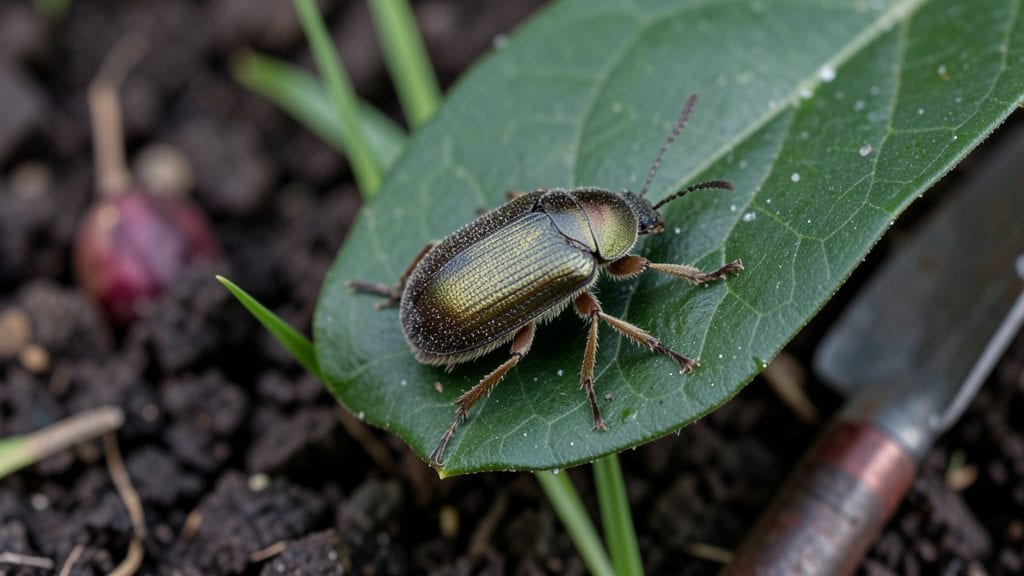
Asian garden beetles are the sneaky pests ruining your veggie patch before you even notice. 🌱 I’ve lost entire rows of carrots and potatoes to these striped invaders, but I’ve also learned which traps actually work without harsh chemicals.
The key is catching them early—before they skeletonize your leaves or burrow into roots.
You don’t need fancy equipment: just a few simple tools like yellow sticky traps, row covers, or even a bucket of soapy water. These beetles are drawn to light and moisture, so placing traps near your garden’s edges works best.
The trick is consistency—check traps every few days, especially after rain when they’re most active.
With the right approach, you’ll see fewer chewed leaves within a week. Your plants will stay lush and productive, and you’ll avoid the heartbreak of watching your harvest disappear overnight. The best part? These methods keep working season after season without harming your soil or beneficial insects.
Works for home gardens, raised beds, and even container plants. Here’s how to set it up right the first time—and keep those beetles from coming back.
📚 In This Guide
- What you need
- Instructions
- Tips and common mistakes
- Wrapping up and next steps
What you need
- ● Beer traps: 1–2 plastic or glass containers (16–32 oz, e.g., soda bottles or Tupperware)
- ● Light-colored beer (e.g., Bud Light, Coors Light) – 1 cup per trap
- ● DIY pitfall traps: Shallow containers (e.g., yogurt cups, plastic lids) – 3–5 per yard
- ● Water (enough to fill containers 1–2 inches deep)
- ● Dish soap (1 tbsp per container to break surface tension)
- ○ Sticky traps (optional but helpful): Yellow sticky cards (e.g., Great Stuff brand) – 2–4 per area
- ● Hand tools: Gloves (to avoid direct contact with beetles or beer spills!)
- ● Small shovel or trowel (for digging shallow pits if needed)
- ● Row covers (lightweight fabric) – to protect vulnerable plants while trapping.
- ● Neem oil spray (for preventive treatment on plants).
- ● Flashlight (for nighttime beetle patrols—these pests are most active after dark!).
- ● Camera or phone (to document progress or share your beetle battles online!).
Step-by-Step instructions for creating Asian garden beetle traps
Here's the straightforward method I've tested in my own garden—no chemicals, just clever traps.
🪴 Step 1: Gather Your Trap Materials
You'll need four 16-ounce plastic containers with lids (the kind yogurt or cottage cheese comes in works perfectly). These beetles are attracted to fermenting fruit, so grab 1 cup of overripe fruit—I use bananas or apples because they're always available. You'll also want 1 tablespoon of beer per container (the yeast smell is irresistible to them).
Don't skip the beer—it's the secret ingredient that boosts the trap's effectiveness. The combination of fermenting fruit and beer creates a scent these beetles can't resist. I keep a small bottle of beer in my garage for this exact purpose, so I'm always ready when I spot them.
🍌 Step 2: Prepare the Bait
Mash the overripe fruit in each container until it's completely broken down—no chunks should remain. This releases more of those fermenting odors that attract the beetles. Then, pour 1 tablespoon of beer into each container and mix it thoroughly with the mashed fruit.
Here's the thing—you want the mixture to be slightly sticky. If it's too dry, add a splash of water to help trap the beetles once they land. I like to work quickly here because the smell starts drawing pests immediately. Cover each container loosely (leave a small gap for airflow) and place them in your garden.
⏰ Step 3: Set and Monitor the Traps
Place the traps in areas where you've seen Asian garden beetle activity—usually near host plants like roses, grapes, or vegetables. Bury the containers halfway into the soil so they're stable and less likely to be knocked over. Check them every 2-3 days in the evening when beetles are most active.
You'll see results within 3-5 days—the containers will start filling up with beetles. This is your signal that the traps are working. I've caught hundreds of beetles this way in a single season. Just remember, the more traps you set, the better your control will be.
💧 Step 4: Dispose of Beetles and Refresh Traps
When you're ready to empty the traps, pour the contents into a bucket of soapy water to kill the beetles instantly. The soap breaks down their protective outer layer. I use this method because it's humane and effective—no need for harsh chemicals. After disposal, rinse the containers thoroughly and prepare fresh bait.
Real talk: these traps work best when rotated. After 7-10 days, replace the bait with fresh fruit and beer. The scent loses its potency over time, and you want to keep luring those beetles in. I keep a schedule in my gardening journal to stay on top of it.
☀️ Step 5: Maintain Traps Through the Season
Continue this process throughout the growing season, especially during warm evenings when beetles are most active. You'll need to refresh the bait every 7-10 days or when you notice fewer beetles being caught. This is a long-term strategy—it takes consistency to see real results.
Watch for signs of success: fewer holes in leaves, no more chewed fruit, and healthier plants. I've seen gardens transform in just a few weeks with this method. The key is patience and persistence—these beetles won't give up without a fight, but neither should you.
Tips & tricks for effective Asian garden beetle traps
A few clever tricks will help you maximize these traps and keep your garden pest-free without chemicals.
Bait Consistency Matters: The texture of your bait is key—aim for a thick, slightly sticky consistency in Step 2. If your mashed fruit is too dry after adding beer, add just enough water (a tablespoon or two) to make it cling to your finger when you press it. This sticky surface helps trap beetles once they land. I've found that overripe bananas tend to be stickier than apples, so I often use a mix of both for the best results.
Timing is Everything: The instructions mention checking traps every 2-3 days, but I've learned that evening is the absolute best time. Asian garden beetles are most active during warm evenings, typically between 6 PM and 9 PM. If you check during the day, you might miss many beetles that arrive after dark. Set a reminder on your phone to make this part of your routine.
Location Strategy: When placing your traps in Step 3, focus on areas with both beetle activity AND host plants. I've had the most success by placing traps near the base of plants like roses and grapes, where beetles often gather to feed. Also, consider burying the containers slightly deeper in loose soil—they'll be more stable and less noticeable to curious pets or children.
Refreshing Made Simple: The 7-10 day refresh schedule in Step 4 works perfectly, but I've developed a quick trick to make the process even easier. Keep a small container of mashed fruit and beer mixture in your fridge, ready to go. When it's time to refresh, simply dump the old bait, rinse the containers, and pour in the pre-made mixture. This saves time and ensures consistency in your traps.
Pro Tips for Asian Garden Beetle
- A few clever tricks will help you maximize these traps and keep your garden pest-free without chemicals.
- Bait Consistency Matters: The texture of your bait is key—aim for a thick, slightly sticky consistency in Step 2. If ...
- Timing is Everything: The instructions mention checking traps every 2-3 days, but I've learned that evening is the ab...
Frequently asked questions
What do Asian garden beetles look like, and how can I tell them apart from other beetles?
The Asian garden beetle has a shiny, copper-colored body with irregular white stripes along its wing covers. Adults are about ½ to ¾ inch long. Unlike Japanese beetles, they lack metallic green heads and have six white stripes instead of five. Larvae (grubs) are white, C-shaped, and found in soil.
When is the best time to set up traps for Asian garden beetles?
Set traps late May through July when adults emerge. Peak activity occurs on warm, sunny days (75°F+). Avoid trapping in early morning or evening—beetles are most active between 10 AM and 4 PM. Remove traps by mid-August to avoid attracting overwintering beetles.
Are pheromone traps effective, or do they just lure more beetles to my yard?
Pheromone traps can work but may attract more beetles if not placed strategically. Use 1-2 traps per acre and place them at least 30 feet from target plants. For small yards, handpicking or neem oil sprays may be safer alternatives to avoid over-luring.
What should I do if I find Asian garden beetle larvae (grubs) in my lawn?
Larvae cause damage by feeding on grass roots. Water the lawn deeply to expose grubs to predators (birds, toads). Apply beneficial nematodes (Heterorhabditis bacteriophora) or millet seed bait to target grubs. Avoid chemical pesticides—they harm beneficial insects and may worsen the problem.
Can I use homemade traps, or do I need to buy commercial ones?
Yes! A DIY trap works: Fill a bucket with soapy water + a few drops of beer or apple cider vinegar. Place it near plants beetles favor. Check traps daily and replace the liquid every 2-3 days. For larger infestations, commercial pheromone traps (like Spectracide) are more effective.
Wrapping up and next steps
Dealing with Asian garden beetles doesn’t have to be a losing battle—natural traps like beer traps, soapy water solutions, and handpicking can make a real difference! 🌱 By acting early and staying consistent, you’ll protect your garden without harsh chemicals. You’ve got this!
Ready to take action? Start with one trap today—whether it’s a DIY beer bucket or a soapy spray—and monitor your progress. Small steps lead to big results! 🚀