Planting
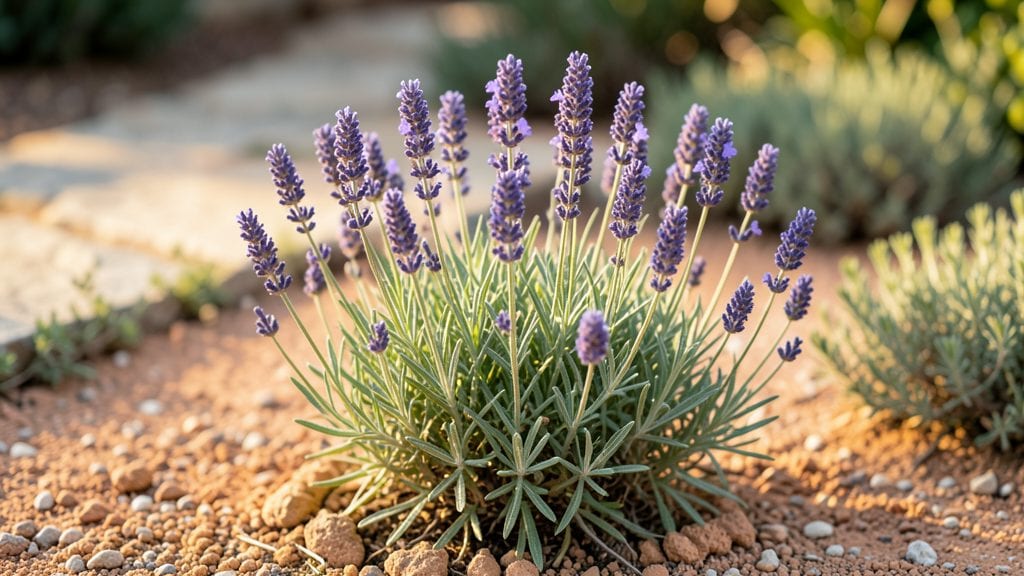
Mastering garden plant identification can feel like solving a mystery, but I’ve cracked the code after years of squinting at leaves and guessing wrong—no more mislabeling your basil as oregano again. 🌿 The right approach turns confusion into confidence.
Start by examining leaf shape, flower structure, and growth habits, then cross-reference with a trusted visual guide or app. You’ll spot patterns that make even tricky lookalikes obvious.
Most mistakes happen because we focus on one feature—like flower color—while ignoring others. A simple trick? Check three things: leaf edges (smooth or jagged?), stem hairiness, and how the plant spreads. My first year, I thought my "mint" was actually wild bergamot until I noticed the square stems.
Tools like PlantNet or iNaturalist let you upload photos for instant matches, so you’ll never second-guess again.
Once you’ve nailed the ID, you’ll know exactly how to care for it—whether that’s pinching back lavender or mulching hostas. The payoff? A garden where every plant thrives because you actually know what it is. No more dead zones from wrong care, just lush, productive plants that reward your curiosity.
This works for weeds too—knowing what’s invasive (like creeping Charlie) helps you act fast. The same skills that identify your prized roses will help you spot pests early. Start with 10 common species, then expand as your eye sharpens. You’ve got this!
Common Causes of Misidentification
Identifying plants in your garden can feel like solving a puzzle—especially when similar species share overlapping traits. But why do even experienced gardeners struggle to pinpoint the exact plant in front of them? The answer often lies in a mix of biological, environmental, and human factors.
Let’s break down the most common reasons why garden plant identification goes awry, so you can sharpen your skills and avoid future mix-ups.
Many plants share striking similarities in leaves, flowers, or stems, making them nearly indistinguishable at first glance. For example: - Leaves: Some plants, like hostas and lilies, have broad, lance-shaped leaves that look nearly identical.
Others, such as mint and oregano, belong to the same family (Lamiaceae) and share square stems and aromatic foliage. - Flowers: Wild roses (Rosa spp.) and honeysuckles (Lonicera spp.) both produce fragrant, tubular blooms, but their growth habits and leaf arrangements differ subtly. - Fruit/Seed Pods: Poison ivy (Toxicodendron radicans) and Virginia creeper (Parthenocissus quinquefolia) both have clusters of berries, but one is a deadly allergen and the other is harmless.
Why it happens: Evolution favors adaptability, and convergent evolution means unrelated plants develop similar traits to thrive in the same ecosystems. Without close inspection, these resemblances can lead to costly mistakes—like mistaking deadly nightshade (Atropa belladonna) for edible ground cherries (Physalis).
Actionable tip: 🔍 Examine beyond the obvious. Check for:
- Leaf venation (parallel vs. netted)
- Flower symmetry (radial vs. bilateral)
- Root structure (taproot vs. fibrous)
- Growth patterns (vines, shrubs, perennials)
Plants don’t stay the same year-round—they change with the seasons, age, and even time of day. A plant might look completely different in: - Spring vs. Fall: A fern frond unfurls in spring but turns brown and crispy in winter.
A peony blooms in May but sits dormant underground in July. - Juvenile vs. Mature: Young milkweed (Asclepias spp.) has smooth, narrow leaves, while mature plants develop broad, waxy foliage. - Flowering vs. Non-Flowering: Some plants, like spiderwort (Tradescantia), produce vibrant blooms in summer but revert to plain green stems the rest of the year.
Why it happens: Hormonal and environmental cues trigger morphological shifts. For instance, short-day plants (like poinsettias) only flower when daylight hours drop below a certain threshold, while others respond to temperature changes.
Actionable tip: 📅 Track seasonal changes. Keep a garden journal noting:
- When flowers appear/disappear
- Leaf color shifts (e.g., purple basil turning green in heat)
- Growth spurts or dormancy periods
Not all plants look the same across the globe—or even in your own backyard. Factors like climate, soil, and human intervention create variations: - Cultivars and Hybrids: Gardeners often crossbreed plants for specific traits, like disease resistance or larger blooms.
A "double blooming" rose might not match its wild counterpart. - Native vs. Invasive Species: English ivy (Hedera helix) in Europe looks different from its aggressive North American variant, which can smother trees. - Clonal Differences: Some plants reproduce vegetatively (via runners or cuttings), leading to genetic clones that may vary slightly in leaf shape or color.
Why it happens: Natural selection, selective breeding, and environmental pressures alter plant genetics over time. Even within a species, individuals can exhibit "sports"—sudden mutations like variegated leaves or altered flower shapes.
Actionable tip: 🌎 Know your plant’s origin. Use these clues:
- Check if the plant is native to your hardiness zone (use the USDA Plant Hardiness Zone Map).
- Look for cultivar names (e.g., Rosa ‘Knock Out’ vs. Rosa rugosa).
- Compare with regional field guides or local botanical gardens.
Even with the best tools, our brains can play tricks on us:
- Confirmation Bias: If you think it’s a tomato plant, you might overlook key differences (like hairy stems in wild tomatoes vs. smooth ones in cultivated varieties).
- Over-Reliance on Apps: While apps like PlantNet or Google Lens are helpful, they’re not foolproof—poor lighting, angle, or partial images can lead to misidentifications.
- Ignoring Smell or Texture: Some plants, like lamb’s ear (Stachys byzantina), have velvety leaves, while others, like stinging nettle (Urtica dioica), pack a painful sting.
Why it happens: Our brains prioritize speed over accuracy, and sensory shortcuts (like assuming all white flowers are the same) can cloud judgment. Additionally, digital tools lack the context of a plant’s full lifecycle.
Actionable tip: 🧠 Engage all your senses. Ask:
- Does it smell sweet, spicy, or foul?
- Are the leaves rough, fuzzy, or sticky?
- Does the stem snap easily or bend like a reed?
A plant under stress—whether from pests, disease, or poor growing conditions—can look nothing like its "ideal" form.
Common stressors include: - Pests: Aphids curling leaves or Japanese beetles skewing petals can distort a plant’s appearance. - Disease: Powdery mildew on roses or rust on hollyhocks alters leaf color and texture. - Nutrient Deficiencies: Yellowing leaves (chlorosis) from iron deficiency might make a plant resemble a different species entirely.
Why it happens: Plants redirect energy toward survival, leading to abnormal growth. For example, a nitrogen-deficient plant may produce smaller leaves to conserve resources, mimicking a drought-adapted species.
Actionable tip: 🚨 Rule out damage first. Inspect for:
- Holes, chew marks, or webbing (pests)
- Spots, mold, or unusual discoloration (disease)
- Wilting, stunted growth, or unusual leaf shapes (nutrient issues)
Identifying a plant in isolation is like judging a book by its cover.
Without understanding its habitat, companions, or behavior, you might miss critical clues: - Companion Plants: Milkweed (Asclepias) thrives near monarch butterflies, while poison hemlock (Conium maculatum) grows in damp, disturbed soils. - Root Systems: Dandelions (Taraxacum officinale) have deep taproots, while clover (Trifolium) spreads via shallow rhizomes. - Pollinators: Bees favor flat, open flowers (like sunflowers), while moths are drawn to tubular blooms (like evening primrose).
Why it happens: Plants evolve alongside their ecosystems, and their traits often reflect these relationships. Ignoring context can lead to misidentifications, especially for invasive species that mimic natives.
Actionable tip: 🌿 Study the ecosystem. Note:
- What other plants grow nearby?
- Are there insects, birds, or mammals interacting with it?
- Does it prefer sun, shade, or moist soil?
To minimize errors, use a multi-step identification process:
- Narrow by category (tree, shrub, annual, perennial).
- Compare key traits (leaf shape, flower structure, growth habit).
- Cross-reference with reliable sources (field guides, university extensions, or local experts).
- Observe over time—seasonal changes reveal hidden clues.
By understanding why misidentifications happen, you’ll develop a sharper eye and build confidence in your garden plant ID skills!
Quick fixes for plant puzzles
Got a mystery plant in your garden and no clue what it is? Don’t panic—solving the puzzle is easier than you think!
Whether it’s an unexpected weed, a mislabeled nursery plant, or a wildflower you’ve never seen before, these step-by-step solutions will help you identify and manage it like a pro. Plus, we’ll share tips to keep your garden thriving without the guesswork.
Before you can fix the problem, you need to know what you’re dealing with. Start by collecting key details about the plant:
- 🌿 Leaves: Shape, size, edges (smooth, serrated, lobed), and arrangement (alternate, opposite, whorled). - 🌸 Flowers (if any): Color, shape, number of petals, and whether they’re clustered or solitary. - 🍃 Stem: Hairy, smooth, woody, or herbaceous?
Check for milky sap (a dead giveaway for milkweed or poinsettia). - 🌱 Growth Habit: Is it a sprawling vine, a bushy shrub, or a towering tree? Does it have thorns or spines? - 🌍 Location: Where did it pop up? Full sun, shade, or damp soil?
Native plants often thrive in specific conditions.
Pro Tip: 📸 Snap clear photos from multiple angles—top, side, and close-ups of leaves, flowers, and stems. Apps like PlantNet or iNaturalist can analyze these images in seconds!
Now that you’ve got your clues, it’s time to match them with a trusted source. Here’s how:
🔎 Online Tools (Fastest Method)
- Plant Identification Apps: Use Google Lens (just upload a photo), PictureThis, or LeafSnap for instant matches.
- Field Guides: Websites like USDA Plants Database or Missouri Botanical Garden’s PlantFinder let you filter by location and traits.
- Foraging Apps: If you suspect edible or medicinal plants, iNaturalist or Seek by iNaturalist (by the California Academy of Sciences) are goldmines—but double-check before consuming!
📖 Physical Guides (For Offline Enthusiasts)
- Local Flora Books: Libraries often carry regional guides (e.g., Peterson Field Guides or A Field Guide to Wildflowers).
- University Extensions: Many state agricultural universities offer free plant ID services via email or phone.
⚠️ Warning: Avoid relying solely on social media groups or unverified forums—some "helpful" IDs can be misleading!
Once you’ve identified the plant, decide whether it’s a friend or foe in your garden:
🌱 If It’s a Desirable Plant (But Mislabeled or Out of Place)
- 🌿 Relocate It: Dig it up carefully (with roots intact) and transplant it to a more suitable spot.
- 📝 Rename It: Update your garden map or labels to avoid future confusion.
- 🌱 Divide & Conquer: If it’s a perennial, split it into smaller sections to share with neighbors or replant elsewhere.
🌿 If It’s a Weed or Invasive Species
- 🔪 Pull It Early: Weeds are easiest to remove when young.
Use a weeding tool or gloves to avoid skin irritation (some, like poison ivy, are dangerous!). - 🌱 Smother or Mulch: Cover the area with cardboard + mulch to block sunlight and starve weeds. - 💧 Vinegar Solution: For stubborn weeds, spray a mix of 1 gallon vinegar + 1 cup dish soap + 1 tbsp salt (test on a small area first—it can damage desirable plants too!). - 🌍 Report Invasives: If it’s a known invasive (like kudzu or Japanese honeysuckle), report it to your local extension office or invasive species hotline.
🚨 If It’s Toxic or Dangerous
- 🚫 Do NOT Touch: Plants like poison oak, hemlock, or castor bean can cause severe reactions.
Wear gloves and long sleeves. - 🗑️ Dispose Carefully: Bag the plant and trash it—don’t compost it! - 📞 Call for Help: Contact Poison Control (1-800-222-1222) or a local arborist if unsure.
Once you’ve solved the puzzle, take steps to avoid future plant ID headaches:
- 📝 Label Everything: Use plant tags (or even popsicle sticks) to mark new additions.
Include the name, date planted, and care needs. - 🌱 Start with Known Plants: Stick to native or well-documented species from reputable nurseries. - 🌿 Regular Scans: Do a weekly walkthrough to spot unfamiliar growth early. - 📱 Use a Garden App: Apps like Gardenate or Garden Compass track plant care and remind you of ID quirks. - 🌍 Learn Your Ecosystem: Study local flora so you recognize what’s supposed to be there—and what’s not.
Final Thought: 🌟 The more you garden, the easier plant ID gets! Keep a photo journal of your successes (and mistakes) to build your own personal plant encyclopedia. Happy identifying!
Frequently asked questions
What are the easiest plant features to check for quick identification?
Start with leaf shape and arrangement—look for smooth vs. jagged edges, parallel vs. netted veins, and whether leaves alternate or grow opposite each other. Next, check flower structure (if present) like petal count or symmetry, and stem characteristics (hairy, woody, or milky sap). These three traits often narrow it down fast!
How do I tell the difference between poisonous and harmless plants?
Memorize these red flags: milky sap (milkweed), three-leaf clusters (poison ivy), or umbel-shaped flowers (poison hemlock). When unsure, use the thumb rule—if it looks like a plant you’ve heard is dangerous, assume it is until confirmed safe. Never touch unknown plants with bare hands!
Can I use my smartphone to identify plants without an internet connection?
Yes! Download offline apps like iNaturalist or PlantNet before heading out. For physical guides, carry a regional field guide (like Peterson’s) or use the USDA Plants Database app (some versions work offline). Always note key traits first so you can verify later.
Why do some plants look completely different in winter?
Many perennials go dormant in winter, leaving only stems or dead foliage. Others, like deciduous trees, lose leaves entirely. Even weeds like dandelions may form rosettes instead of flowers. Compare winter plants to summer photos—look for bud shapes or stem patterns that remain visible.
What’s the best way to document my garden plants for future reference?
Create a digital journal with photos labeled by date, location, and key traits. Use apps like Gardenate to track care needs, or make physical sketch notes of leaf shapes. Include close-ups of flowers/stems and wide shots showing growth habit—this helps with yearly comparisons!