Shrubs
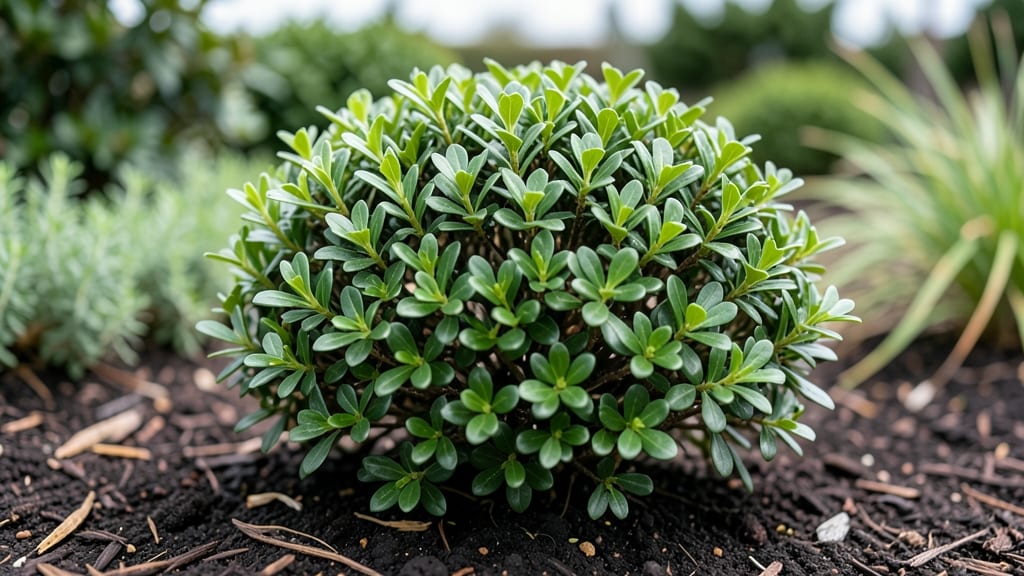
Small gardens need shrubs that pack big personality into tight spaces—fragrant blooms, lush foliage, and year-round interest without stealing your yard. 🌿 I’ve turned my 6-by-8-foot courtyard into a vibrant retreat using dwarf varieties that thrive in containers or tight borders, proving you don’t need acres to create impact.
The key is choosing the right players: compact boxwoods for structure, fragrant daphne that spills over edges, and low-growing azaleas for bursts of color. Most need just 4-6 hours of sun and well-draining soil—no fancy prep required. Even in partial shade, these shrubs deliver, with some offering winter interest too.
By next spring, you’ll have a garden that feels lush and layered, not cramped. The scent of blooming mock orange will drift through your patio, and your neighbors will ask how you fit so much beauty into such a small space.
Here’s how to pick the perfect shrubs for your layout.
Works for balconies, narrow side yards, or even large pots—no space is too small when you choose wisely. Let’s get planting!
📚 In This Guide
- What you need
- Instructions
- Tips and common mistakes
- Wrapping up and next steps
What you need
- ● Shrubs (3–6 plants) – Choose compact varieties like Dwarf Fothergilla, Boxwood, or Dwarf Lilac (1–3 gallons per plant). Opt for slow-growing or dwarf cultivars to save space.
- ● High-quality potting soil or garden soil – 2–3 cubic feet per shrub (or pre-mixed shrub/flower soil for better drainage).
- ● Organic compost or fertilizer – 1–2 cups per plant (slow-release or balanced 10-10-10 formula works well).
- ● Mulch (2–3 inches) – Shredded bark, pine straw, or cocoa hulls to retain moisture and suppress weeds.
- ● Watering can or hose with a gentle spray nozzle – Aim for deep but infrequent watering (1–2 gallons per plant, 2–3 times per week).
- ● Garden trowel or transplant spade – For digging small holes (6–12 inches deep, twice as wide as the root ball).
- ● Pruning shears – Sharp, bypass-pruners (clean with rubbing alcohol between cuts!).
- ○ Gloves (optional but recommended) – Heavy-duty gardening gloves to protect hands from thorns or rough bark.
- ● Measuring tape or ruler – To ensure proper spacing (check plant tags for mature size).
- ● Sunlight assessment – Confirm your garden’s light conditions (full sun, partial shade, or full shade) to match shrub needs.
- ● Drainage check – Ensure your soil drains well (avoid soggy spots—shrubs hate “wet feet”!).
- ● Local climate knowledge – Pick shrubs hardy to your USDA zone (e.g., Pieris japonica thrives in Zones 5–9).
- ○ Optional upgrades: Slow-release watering spikes for drought-prone areas.
- ● Decorative stones or edging to define plant beds.
- ● Fragrance-enhancing companion plants (e.g., lavender or rosemary).
How to select and plant shrubs for small gardens
Here's how to choose and plant the perfect shrubs for your compact space.
🌱 Step 1: Choose Compact, Multi-Season Shrubs
Look for varieties labeled "dwarf" or "compact" that mature under 4 feet tall. Dwarf lilacs (Syringa meyeri), boxwood (Buxus), and compact hydrangeas (Hydrangea macrophylla) deliver color and fragrance without crowding. I always check the mature height tag—some "small" shrubs grow much taller than expected.
Prioritize plants with seasonal interest: spring blooms, summer foliage, and winter structure. For example, dwarf abelia (Abelia x grandiflora) has fragrant white flowers in summer and keeps its purple foliage all winter. This ensures your small garden stays vibrant year-round.
🪴 Step 2: Prepare Planting Spots with Proper Spacing
Dig holes twice as wide as the root ball but only as deep. This encourages roots to spread horizontally, which is crucial for small gardens where space is limited. I use a shovel to loosen the sides of the hole—compacted soil restricts root growth immediately after planting.
Space shrubs 3-6 inches closer than the mature width listed on the tag. For instance, if a boxwood matures at 3 feet wide, plant it 2 feet from other plants. This prevents overcrowding as they fill in. Amend the planting hole with 1 part compost to the existing soil to improve drainage and nutrient availability.
☀️ Step 3: Plant at the Right Depth and Water Thoroughly
Place the shrub so the top of the root ball sits level with the surrounding soil. Burying the stem too deep causes rot, while planting too high stresses the plant. Gently remove any plastic pots—roots circling inside can strangle growth. Spread roots outward in the hole before backfilling.
Water deeply right after planting—about 1 gallon per plant—to eliminate air pockets. I like to water again 3-4 days later to encourage roots to seek moisture. Mulch with 2-3 inches of shredded bark around the base (but not touching the stem) to retain moisture and suppress weeds.
✂️ Step 4: Prune for Shape and Encourage Bushiness
Prune immediately after planting to remove any broken branches or leggy growth. For most small shrubs, I cut back one-third of the oldest stems to the ground. This stimulates new growth from the base, creating a fuller plant faster. Avoid heavy pruning in fall—it removes next year’s blooms.
Shape shrubs lightly in late winter or early spring before new growth begins. Use clean, sharp shears to make cuts at a 45-degree angle just above a leaf bud. For flowering shrubs, prune right after blooming to preserve next year’s flowers. Regular pruning keeps shrubs compact and healthy in tight spaces.
💧 Step 5: Maintain with Consistent Care
Water deeply once a week during the first growing season, aiming for 1-1.5 inches of water per week. Small gardens dry out faster, so check soil moisture by sticking your finger 1 inch deep—if it’s dry, water. Drip irrigation works best for shrubs, delivering water slowly at the base.
Fertilize lightly in early spring with a balanced 10-10-10 fertilizer (about 1 tablespoon per plant). Over-fertilizing small shrubs causes weak growth and attracts pests. I skip fall fertilization—plants need to harden off for winter. Watch for yellowing leaves, which often signals overwatering or poor drainage.
Tips & tricks for perfect small garden shrubs
A few key strategies will help you maximize beauty and minimize hassle when planting shrubs in tight spaces.
Plant Selection: When choosing shrubs in Step 1, look for varieties labeled "slow-growing" or "miniature" in addition to "dwarf" or "compact"—these often stay under 3 feet tall. I've found that dwarf ninebark (Physocarpus opulifolius) and compact azaleas (Rhododendron) add texture without taking over. Always check the plant tag for mature size, as nurseries sometimes label plants differently.
Soil Preparation: In Step 2, don't skip the compost amendment—it's especially important in small gardens where soil quality varies. Mix the compost thoroughly with existing soil in the planting hole, focusing on the sides where new roots will grow. For clay-heavy soils, add a handful of perlite to improve drainage, which prevents root rot in crowded spaces.
Pruning Strategy: For Step 4, I recommend using a small hand pruner for shaping rather than large shears—it gives you more control in tight spaces. When cutting back one-third of the oldest stems, look for the largest, thickest stems at the base. These are the ones that will produce the most vigorous new growth. Remember to sterilize your tools with rubbing alcohol between cuts to prevent disease spread.
Watering Wisdom: During the first growing season in Step 5, consider using a moisture meter instead of your finger to check soil moisture—small gardens can have microclimates where some areas dry out faster. I've found that watering in the early morning (before 8 AM) reduces evaporation and prevents fungal issues that thrive in damp foliage. For container-grown shrubs, water more frequently since pots dry out faster than ground soil.
Pro Tips for Shrubs Small Garden
- A few key strategies will help you maximize beauty and minimize hassle when planting shrubs in tight spaces.
- Plant Selection: When choosing shrubs in Step 1, look for varieties labeled "slow-growing" or "miniature" in addition...
- Soil Preparation: In Step 2, don't skip the compost amendment—it's especially important in small gardens where soil q...
Frequently asked questions
Got questions about shrubs for small gardens?
Here are answers to the most common ones to help you create a lush, low-maintenance space—without the fuss!
What are the best low-maintenance shrubs for tiny spaces?
Opt for compact varieties like Dwarf Boxwood, Dwarf Fothergilla, or Lavender. These thrive in containers or tight spots, need minimal pruning, and add texture or fragrance. Pro tip: Choose evergreens for year-round interest!
When is the best time to plant shrubs in a small garden?
Spring or fall are ideal—soil is workable, and temperatures are mild. Avoid extreme heat or frost. Spring planting gives shrubs time to establish before winter, while fall reduces competition for water. Just water deeply after planting!
Can I grow shrubs in containers instead of the ground?
Many shrubs, like Dwarf Lilac or Heather, thrive in pots. Use well-draining soil, a container with drainage holes, and repot every 2–3 years. Bonus: Containers let you move shrubs for seasonal sun/shade needs!
How do I keep pests away from my small-garden shrubs?
Prevent issues with healthy soil (compost + mulch) and regular checks. Common pests: Aphids (spray with water), spider mites (neem oil), or deer (use repellent sprays). Pro tip: Encourage beneficial insects like ladybugs!
What shrubs provide color and fragrance year-round?
For color, try Dwarf Hydrangea (pink/blue blooms) or Wintercreeper Euonymus (red berries). For fragrance, Dwarf Gardenia or Sweet Box shine. Evergreens like Dwarf Holly add structure and greenery in winter!
Wrapping up and next steps
Transforming your small garden into a vibrant, fragrant oasis is easier than you think! The right shrubs can bring year-round color, texture, and scent—without overwhelming your space. From compact boxwoods to fragrant lavender, these space-saving plants prove that big beauty fits in small gardens. 🌿✨
Now that you’re inspired, take the next step: pick 1-2 shrubs that match your garden’s sunlight, soil, and style. Sketch a quick layout (even on paper!) to visualize their placement—and don’t forget to snag a few cuttings or seedlings to start your green journey today. Happy gardening!