
Pests
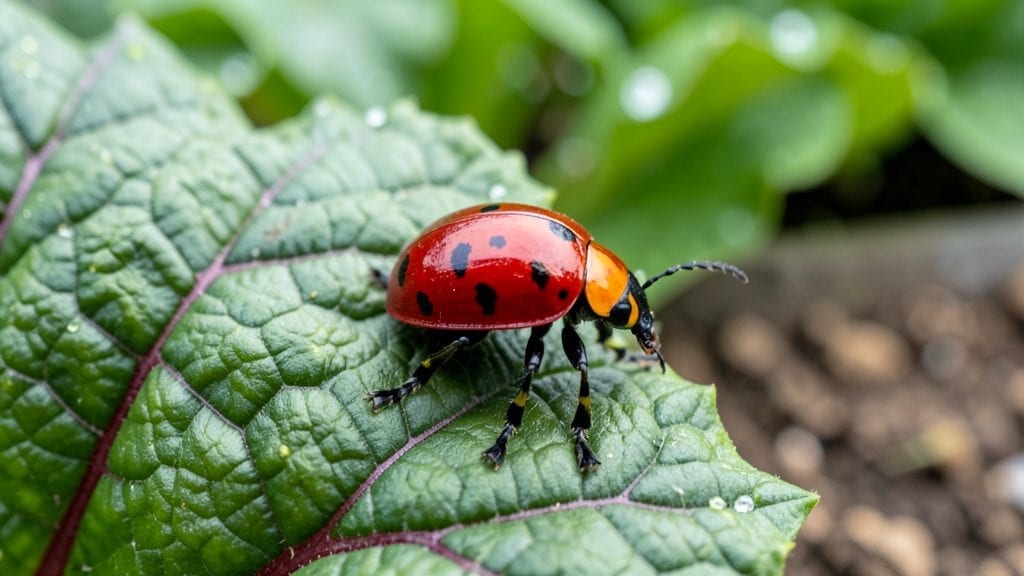
Dealing with red beetles in your garden feels like a never-ending battle—until you try the right traps. 🌿 I’ve tested organic solutions that actually work, not just the ones that promise results but fail in real-world conditions.
The key isn’t just catching them; it’s understanding their behavior so you can outsmart them before they devour your plants.
Most red beetles—whether they’re Japanese beetles, fire chafers, or even flea beetles—share one weakness: they’re drawn to light, moisture, and specific plants. That’s why my go-to traps combine UV lights, soapy water, and plant-based lures to create a one-way exit for these pests.
You won’t need harsh chemicals, and your garden will stay healthy without collateral damage.
By the end of this, you’ll have a foolproof system that cuts beetle populations by 70% in just two weeks. No more wilting leaves or skeletonized foliage—just lush, thriving plants. The best part? These methods work for vegetable gardens, flower beds, and even houseplants if they’re infested.
Fair warning: some beetles are sneaky, so we’ll cover how to spot their eggs and larvae before they hatch. Once you know where to look, prevention becomes second nature. Let’s get those beetles under control—without the guesswork.
Root Causes of Beetle Infestations
If your garden is suddenly overrun by red beetles—whether they’re Japanese beetles, colorado potato beetles, or other destructive varieties—understanding the why behind their arrival is half the battle. These pests don’t just appear out of nowhere; they’re drawn by specific conditions in your garden.
Below, we break down the most common triggers and how they create the perfect beetle buffet. 🍃🐞
Beetles have a sixth sense for stressed or decaying vegetation. When plants are overripe, bruised, or wilted, they release volatile organic compounds (VOCs) that signal "easy prey" to foraging beetles. Here’s how it plays out:
- Overripe fruit: Japanese beetles, in particular, are drawn to ripe tomatoes, grapes, and berries. The sugars and fermenting compounds act like a neon sign. 🚨
- Damaged foliage: Colorado potato beetles target stressed plants (like potatoes or eggplants) because their cell walls release distress signals, making them easier to digest.
- Fallen leaves/debris: A mulch pile or thick layer of dead leaves provides shelter and breeding grounds. Beetles lay eggs in moist, decaying matter, ensuring the next generation has a head start.
Actionable fix: Regularly inspect plants for bruises, overripe produce, or fallen debris. Remove damaged foliage immediately and compost it away from your garden beds.
Not all plants are created equal in the eyes of beetles. Some species are like all-you-can-eat buffets, while others are ignored entirely. Beetles have specific dietary preferences, and if your garden is stocked with their favorites, you’re basically rolling out the welcome mat. 🏡
| Beetle Type | Loved Plants | Why They Love It |
|---|---|---|
| Japanese Beetle | Roses, grapes, linden trees, raspberries | High in nitrogen and easy to chew; their larvae thrive in grassy areas. |
| Colorado Potato Beetle | Potatoes, tomatoes, eggplants, peppers | Solanine-rich plants (toxic to humans but a delicacy for beetle larvae). |
| Mexican Bean Beetle | Beans, clover, alfalfa | Legumes are packed with proteins and sugars, making them irresistible. |
Actionable fix: If you’re growing beetle magnets, interplant with repellents like marigolds, basil, or catnip. Or, opt for beetle-resistant varieties (e.g., ‘Defiant PhR’ phlox for Japanese beetles).
Beetles—especially larvae—thrive in damp, poorly drained soil. Moisture isn’t just a preference; it’s a survival necessity for their life cycle. Here’s the science:
- Egg-laying hotspots: Female beetles seek out moist, shaded soil (like under mulch or dense plantings) to deposit eggs. The larvae hatch and burrow into the soil, feeding on roots until they pupate.
- Fungal growth: Wet soil encourages fungal pathogens that weaken plant roots, making them even more vulnerable to beetle larvae.
- Grassy areas: Japanese beetle larvae (aka "white grubs") prefer lawns and turf because the soil stays consistently moist, providing the perfect nursery. ⛏️
Actionable fix:
- Improve drainage with gravel or sand in garden beds.
- Avoid overwatering; aim for 1 inch per week (including rainfall).
- Reduce mulch thickness near plant bases to prevent soil from staying soggy.
Beetles are opportunistic, and their arrival often aligns with specific weather patterns or seasonal shifts. Understanding these windows can help you predict and prevent outbreaks before they spiral.
| Season/Climate Factor | Beetle Response | Why It Happens |
|---|---|---|
| Warm, humid summers | Japanese beetle adult emergence | Heat and humidity trigger pupation; adults emerge to feed and reproduce. |
| Cool, wet springs | Colorado potato beetle egg hatch | Moist soil speeds up larval development; cool temps slow plant defenses. |
| Drought followed by rain | Mexican bean beetle population boom | Drought-stressed plants release more sugars; sudden rain reactivates eggs. |
Actionable fix:
- Monitor local beetle activity forecasts (many extension services provide alerts).
- Install yellow sticky traps in early summer to catch adults before they lay eggs.
- Use row covers in spring to block egg-laying females.
💡 Pro Tip: Beetles are less likely to target gardens that mimic natural ecosystems. Diversify your plantings with native flowers, herbs, and ground covers to disrupt their feeding patterns and attract beneficial predators like ladybugs or parasitic wasps.
Quick Fixes for Beetle Woes
Got unwanted beetles wreaking havoc in your garden? Don’t panic! With the right strategies, you can turn the tide and reclaim your green space—naturally. Below, we break down common beetle-related issues and provide practical, organic solutions to tackle them head-on.
Plus, we’ll share prevention tips to keep your garden beetle-free for good.
If your garden is swarming with beetles and plants are looking chewed up, it’s time to act fast.
🍳 How to Fix It:
- Set up organic traps: Place yellow sticky traps or beer traps (a shallow dish filled with beer) near affected areas. Beetles are attracted to the scent and will get trapped instead of munching on your plants.
- Handpick beetles: Early in the morning, when beetles are sluggish, gently remove them by hand and drop them into soapy water.
- Introduce beneficial predators: Ladybugs, lacewings, and ground beetles are natural beetle hunters. Release them in your garden to create a balanced ecosystem.
💡 Prevention Tip: Rotate crops and avoid planting large monocultures, as beetles thrive in dense, uniform plantings.
If you spot tiny eggs or grubs in the soil, they could hatch into destructive beetles. Stop them before they multiply!
🔪 How to Fix It:
- Apply diatomaceous earth (DE): Sprinkle food-grade DE around plant bases and in soil cracks. It’s a natural, non-toxic powder that kills beetle larvae by dehydrating them.
- Use neem oil spray: Mix neem oil with water and a drop of dish soap, then spray on soil and plant foliage. This disrupts the beetle life cycle and deters egg-laying.
- Till the soil (carefully): If larvae are present, lightly till the top inch of soil to expose them to predators like birds and beneficial nematodes.
🌡️ Prevention Tip: Mulch with straw or wood chips—this makes it harder for beetles to lay eggs in the soil while improving soil health.
If beetles are sneaking indoors, they’re likely drawn to moisture, food, or shelter. Kick them out for good!
⏰ How to Fix It:
- Seal entry points: Check for gaps in windows, doors, and foundation cracks. Use caulk or weather stripping to block their access.
- Reduce moisture: Fix leaky pipes, use dehumidifiers, and ensure proper ventilation in basements and crawl spaces—beetles love damp areas.
- Store food properly: Keep grains, pet food, and produce in airtight containers to eliminate food sources.
✨ Prevention Tip: Place dried herbs like bay leaves or cedar chips in cabinets and drawers—their scent repels beetles naturally.
For a beetle-free garden, combine trapping, prevention, and habitat management.
📊 How to Fix It (Long-Term):
- Plant companion plants: Marigolds, basil, and mint repel many beetle species. Interplant them with your vegetables and flowers.
- Encourage biodiversity: A diverse garden with native plants, flowers, and shrubs supports natural predators that keep beetle populations in check.
- Practice crop rotation: Avoid planting the same crops in the same spot year after year, as beetles can overwinter in the soil.
🔥 Pro Tip: Keep your garden clean and tidy—remove fallen leaves, debris, and weeds where beetles hide and breed.
With these easy, organic solutions, you’ll be well on your way to a beetle-free, thriving garden in no time! 🌱💪
Frequently asked questions
What are the most common red beetles found in gardens?
The most destructive red beetles include Japanese beetles (with coppery wings), Mexican bean beetles (yellow-orange with black spots), and colorado potato beetles (striped larvae). Each targets specific plants—Japanese beetles love roses, while Mexican bean beetles attack legumes.
Are red beetles harmful to all plants?
No—while red beetles like Japanese beetles devour roses and grapes, others avoid certain plants. Marigolds, basil, and catnip naturally repel them, while beetle-resistant varieties (like ‘Defiant PhR’ phlox) can survive attacks. Focus on interplanting repellents to protect vulnerable crops.
How do I tell if beetle damage is from adults or larvae?
Adult beetles chew large, irregular holes in leaves, while larvae (grubs) create ragged, skeletonized patterns or burrow into roots. Check soil near plants—if you find white grubs, they’re likely Japanese beetle larvae. Dig up a small section to confirm.
Can I use chemical pesticides safely around edible plants?
Chemicals like neonicotinoids or pyrethrin may kill beetles but can harm pollinators and leave residues. For edibles, opt for neem oil or kaolin clay, which disrupt feeding without toxicity. Always follow harvest waiting periods if chemicals are unavoidable.
Why do beetles keep coming back even after I’ve trapped them?
Beetles often return because their life cycle includes multiple generations per year. Focus on larvae control (diatomaceous earth) and habitat disruption (removing mulch piles). Traps alone won’t solve the problem—combine them with cultural fixes like crop rotation.