Tools
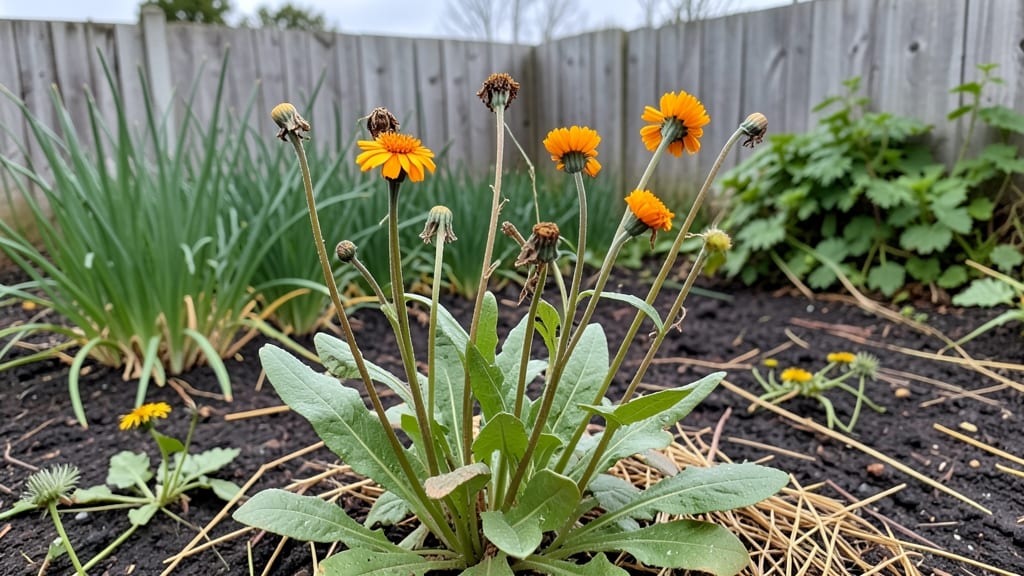
Creating a Portsmouth Community Garden-style privacy screen transforms your backyard into a year-round green sanctuary. 🌿 I’ve spent years watching how layered native shrubs and perennials block nosy neighbors while supporting local wildlife—something this coastal community values deeply.
The magic lies in choosing plants that thrive in our humid summers and salty air, like inkberry holly and bayberry, which stay dense even in winter.
The best part? This isn’t just about planting—it’s about community. Portsmouth’s gardeners often swap cuttings, share propagation tips, and even host "plant swaps" where everyone leaves with more than they brought. You’ll need 3-5 types of evergreen shrubs spaced 3-4 feet apart, plus a few climbing vines for extra height.
Start small—even a 6-foot section makes a difference—and let the plants fill in naturally over time.
By mid-fall, you’ll have a living wall that’s fragrant, wildlife-friendly, and completely private. The inkberry’s dark berries feed birds year-round, while the bayberry’s waxy leaves repel salt spray.
Plus, no more fence-line arguments—just lush greenery that grows better every season. The Portsmouth model proves beauty and practicality can go hand-in-hand.
Want to adapt this for your space? Even urban backyards can fit a 3-foot-wide strip along a fence. Check local native plant nurseries—they’ll know which varieties handle your microclimate best.
The key is patience: a well-planned screen takes 2-3 years to fully mature, but the payoff is worth every season of waiting.
📚 In This Guide
- What you need
- Instructions
- Tips and common mistakes
- Wrapping up and next steps
What you need
- ● Native plants: 10–15 shrubs (e.g., Aronia melanocarpa, Ilex glabra, or Viburnum dentatum) – 3–4 ft tall at planting.
- ● Mulch: 2–3 cubic yards of organic mulch (e.g., wood chips or straw) to retain moisture and suppress weeds.
- ● Soil amendments: 10–15 bags of compost or aged manure to enrich soil fertility.
- ● Drip irrigation or soaker hoses: 50–100 ft of tubing (¼" diameter) + emitters or connectors.
- ● Stakes or trellises: 10–15 wooden or metal stakes (4–6 ft tall) for support.
- ● Gloves & kneeling pads: Heavy-duty gardening gloves and ergonomic pads for comfort.
- ● Shovel & spade: 1 each for digging and transplanting.
- ● Pruners: Bypass pruners (for clean cuts) + loppers (for thicker branches).
- ● Wheelbarrow: 1 for hauling soil, mulch, or plants.
- ● Measuring tape & string: To mark planting lines and spacing.
- ● Watering can or hose: For initial watering post-planting.
- ● Fertilizer: Slow-release organic fertilizer (e.g., 10-10-10 or fish emulsion).
- ● Plant markers: Labels or stakes to track varieties.
- ● Edging material: Landscape fabric or bricks to define garden borders.
- ● Wildlife-friendly additions: Birdhouses, bat boxes, or native bee hotels.
Instructions for designing a year-round privacy screen in Portsmouth
Here's how to create a vibrant, low-maintenance privacy barrier that thrives in Portsmouth's coastal climate.
🌱 Step 1: Select the Optimal Planting Layout
Choose a sun exposure analysis of your site first—Portsmouth's maritime climate means afternoon sun can be intense. For full sun areas, arrange plants in three tiers: tall evergreens at the back (like 6-8 ft tall holly bushes), mid-height shrubs (such as 4-5 ft boxwood), and ground covers (like creeping thyme) in front. This creates depth and year-round coverage.
If your space gets partial shade, opt for native azaleas at the back, inkberry holly in the middle, and foamflower at the base. Space plants 18-24 inches apart to allow for mature growth without overcrowding. I always sketch a rough map first—it saves time when you're ready to plant.
🌿 Step 2: Prepare the Soil for Coastal Conditions
Portsmouth's sandy soil drains too quickly for most plants, so amend it with 3 inches of compost mixed into the top 12 inches of soil. Add a handful of slow-release organic fertilizer (like 10-10-10) per planting hole to support root establishment. For clay-heavy areas, incorporate 1 part peat moss into the mix to improve aeration.
Test the soil's moisture level by squeezing a handful—it should hold together but not be soggy. If your soil feels too dense, add 1 part perlite to loosen it. This ensures roots get both air and moisture without drowning. I like to water the amended soil the day before planting to help it settle.
✂️ Step 3: Plant and Stake for Wind Resistance
Dig holes twice as wide as the root ball but only as deep—planting too deep suffocates roots. Place each plant in its hole, then backfill with native soil, tamping gently to remove air pockets. For wind-prone areas, stake taller plants (like arborvitae) with 2-3 stakes per plant, securing them loosely with jute twine to allow for growth.
Water deeply immediately after planting to eliminate air gaps and encourage root contact with soil. Mulch with 2-3 inches of shredded bark to retain moisture and suppress weeds. Keep mulch 3 inches away from plant stems to prevent rot. I always water again after mulching to help it settle.
☀️ Step 4: Maintain Seasonal Care for Coastal Resilience
In spring, fertilize with ½ cup of 10-10-10 per plant to encourage new growth. Prune any dead or damaged branches in early summer, cutting just above a leaf node to promote bushiness. For evergreens, a light shearing in late summer keeps them dense and tidy.
In fall, add a 2-inch layer of leaf mulch to insulate roots from frost. Reduce watering as temperatures drop, but keep soil moist enough to prevent stress. I always check plants after heavy rains—Portsmouth’s coastal winds can uproot young specimens if soil is too saturated.
🪴 Step 5: Monitor and Adjust for Long-Term Success
Watch for aphids or spider mites in late summer—they love the new growth on shrubs. Spray affected areas with neem oil (mix 1 tbsp per gallon of water) for organic control. If plants look leggy or sparse, they may need more light—consider thinning out taller specimens to let sunlight reach the base.
Every 3-4 years, divide overgrown perennials like creeping phlox to rejuvenate them. Replace any plants that fail to thrive after two seasons—Portsmouth’s salt spray can stress some species. A well-maintained screen should provide full coverage within 3-5 years, with minimal gaps.
Tips & tricks for a thriving Portsmouth privacy screen
Creating a lush, year-round privacy screen in Portsmouth's coastal climate takes some strategic planning—here's what I've learned from years of gardening in this unique environment.
The Layering Secret: In Step 1, those three distinct tiers aren't just decorative—they're functional. The tall evergreens like holly bushes (6-8 ft) block the most wind and provide the backbone, while the mid-height boxwood (4-5 ft) creates that perfect middle layer. I've found that adding creeping thyme at the front not only prevents weeds but also attracts pollinators that help other plants thrive. The key is to space them exactly 18-24 inches apart—this gives roots room to establish without competing for nutrients.
Soil Science for Sandy Soil: Portsmouth's sandy soil drains too quickly, so the 3 inches of compost mixed into the top 12 inches of soil is absolutely critical. I've had the most success when I actually test the soil moisture by squeezing a handful—it should hold together like a damp sponge, not crumble apart. For clay-heavy spots, that 1 part peat moss really makes the difference by improving aeration. Pro tip: Water the amended soil the day before planting so it settles properly—this prevents air pockets that can strangle young roots.
Wind Resistance Tactics: When staking taller plants like arborvitae in Step 3, use 2-3 stakes per plant and secure them loosely with jute twine. The loose tie allows for natural growth while providing enough support to handle Portsmouth's coastal winds. I've seen too many gardens where plants were over-staked and couldn't grow properly. Also, that 3-inch gap between mulch and stems prevents rot—it's easy to forget this detail when you're excited to cover the soil.
Seasonal Care Calendar: The spring fertilization with ½ cup of 10-10-10 per plant is non-negotiable for establishing new growth, but what nobody tells you is that late summer shearing of evergreens actually helps them prepare for winter. I've found that dividing overgrown perennials like creeping phlox every 3-4 years rejuvenates them completely—it's like giving them a fresh start. And that 2-inch layer of leaf mulch in fall? It's the best insulation against Portsmouth's winter chills.
Pro Tips for Portsmouth Community Garden
- Creating a lush, year-round privacy screen in Portsmouth's coastal climate takes some strategic planning—here's what I've learned from years of gardening in this unique environment.
- The Layering Secret: In Step 1, those three distinct tiers aren't just decorative—they're functional.
- Soil Science for Sandy Soil: Portsmouth's sandy soil drains too quickly, so the 3 inches of compost mixed into the top 12 inches of soil is absolutely critical.
Frequently asked questions
Got questions about the Portsmouth Community Garden? You’re not alone!
Here are answers to some of the most common inquiries to help you plan your privacy screen project with confidence.
What’s the best time of year to plant my privacy screen?
The ideal planting window for most native shrubs and trees in Portsmouth is early spring (March–April) or fall (September–October). This gives plants time to establish roots before extreme heat or cold. Pro tip: If planting in summer, water deeply 2–3 times per week until roots settle!
Are there cost-saving tips for materials like soil or mulch?
Check local compost programs (like Portsmouth’s Solid Waste Management) for free mulch or soil amendments. Bonus: Partner with neighbors splitting bulk mulch orders—many gardeners do this to cut costs. Also, reuse cardboard or newspaper as weed barriers under mulch.
Can I mix non-native plants with the recommended native species?
While native plants (like Aronia or Viburnum) are ideal for supporting local ecosystems, you can add a few non-natives—just avoid invasives like Burnet Rose. Stick to low-maintenance, drought-tolerant options like Holly or Boxwood if you want variety. Warning: Non-natives may require more water and pesticides!
How do I deal with pests (like deer or aphids) in my garden?
Deer? Use physical barriers (8-foot fencing) or plant deer-resistant natives like Sumac or Oakleaf Hydrangea. Aphids? Spray with soapy water (1 tsp mild soap + 1 quart water) or introduce ladybugs. Prevention tip: Healthy plants resist pests better—mulch well and water consistently!
What tools do I really need beyond the basics?
Beyond shovels and gloves, grab a pruners (for shaping), wheelbarrow (for hauling soil), and knee pads (trust us, they’re a game-changer!). For larger projects, rent a post-hole digger or staple gun (for wire fencing). Portsmouth’s garden tool libraries often lend gear for free!
Wrapping up and next steps
The Portsmouth Community Garden isn’t just a green space—it’s a thriving hub where nature meets community spirit! 🌿 By blending lush, low-maintenance native plants with year-round privacy, you’re not only creating a serene retreat but also supporting local ecosystems.
Whether you’re a gardening newbie or a seasoned green thumb, this project is your chance to grow something beautiful and meaningful.
Ready to dig in? Start small—visit the garden for inspiration, gather your materials, and take the first step toward your own private oasis. Your future self (and the local pollinators!) will thank you. 🌱