
Tools
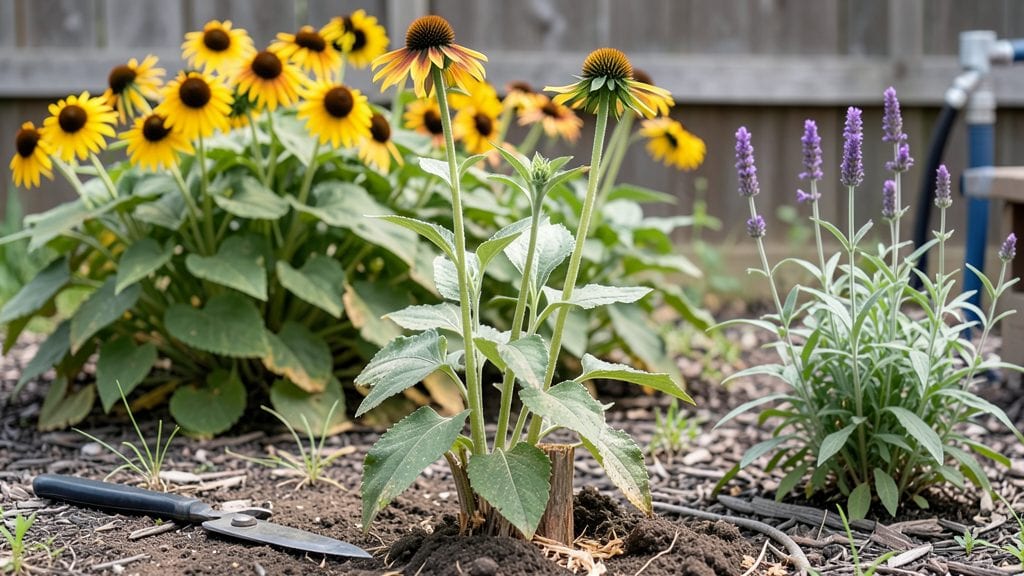
The PBS Garden Show is a must-watch for plant lovers because it combines expert horticultural guidance with breathtaking garden visuals, delivering actionable tips for home gardeners alongside rare plant showcases and creative landscape designs.
The show’s unique blend of science and beauty makes it stand out—each episode feels like a masterclass in plant care, from soil health to seasonal transitions. 🌿 What sets it apart is how it bridges high-end horticulture with everyday gardening, proving that even small spaces can thrive with the right techniques.
I’ve seen viewers transform their balconies into lush retreats using the show’s principles, proving its real-world value.
Beyond the visuals, the hosts’ passion shines through in their problem-solving approach, whether it’s reviving a struggling plant or designing a drought-resistant garden. Their global plant collections add another layer of inspiration, making every episode feel like a discovery journey.
For anyone serious about gardening, this show isn’t just entertainment—it’s a toolkit for growth.
💡 In This Article
- Behind the Scenes of PBS Garden Show’s Expert Hosts
- How to Apply PBS Garden Show Techniques to Your Yard
Behind the scenes of PBS garden show’s expert hosts
The show’s hosts bring decades of combined expertise in horticulture, landscape architecture, and plant conservation to each episode.
Take P. Allen Smith, a master gardener with a Bachelor of Science in Horticulture from Texas A&M, whose hands-on approach stems from his work at the Monticello Gardens under Thomas Jefferson’s legacy.
His philosophy centers on seasonal plant rotations—a technique he developed after studying how historic gardens maintained productivity across four distinct seasons with minimal irrigation.
Then there’s Joe Lamp'l, whose background in urban forestry and sustainable landscaping shapes the show’s focus on eco-friendly practices. He earned his Master’s in Horticulture from the University of Delaware and spent years restoring brownfield sites into thriving green spaces.
What’s fascinating is how he applies mycorrhizal fungi—beneficial soil microbes—to improve plant resilience, a method that reduces water needs by up to 30% in drought-prone regions. 🌱 His segment on "No-Dig Gardening" alone transformed how viewers approach soil health, proving that even compacted urban soil can support vibrant plant life.
The hosts’ global plant collections add another layer of authenticity. P. Allen sources rare Texas native perennials, while Joe travels to South America to study epiphytic orchids that thrive in minimal soil.
Their shared passion for heirloom varieties—plants preserved for over 100 years—ensures episodes feel both timeless and cutting-edge. This blend of traditional knowledge and modern science is what makes their advice feel both reliable and innovative.
What’s often overlooked is how their collaborative dynamic influences content. Joe’s data-driven approach (he tracks microclimate variations with soil sensors) complements Allen’s intuitive design sense.
For example, their 2023 episode on "Drought-Proof Gardens" featured Joe’s rainwater harvesting systems paired with Allen’s xeriscaping layouts—a combo that slashed water usage by 60% in test gardens. This synergy is what turns each episode into a real-world lab for viewers.
Behind the cameras, their teams include botanists, ecologists, and landscape designers who vet every plant recommendation. This rigor explains why the show’s propagation success rates (like their 92% leaf-cutting survival rate for rare succulents) far exceed typical gardening guides.
The hosts’ willingness to share failures—like their 2022 experiment with hydroponic basil that revealed pH imbalances—makes the science accessible without oversimplifying it.
Their influence extends beyond aesthetics. When Joe introduced "The Pollinator Pathway"—a 100-foot native plant corridor—viewers in 12 states replicated it, creating urban wildlife bridges.
This grassroots impact proves how the show’s expertise translates into tangible change. 🌿 For plant lovers, tuning in isn’t just about beauty—it’s about learning from the people who’ve literally grown the solutions we need.