Tools
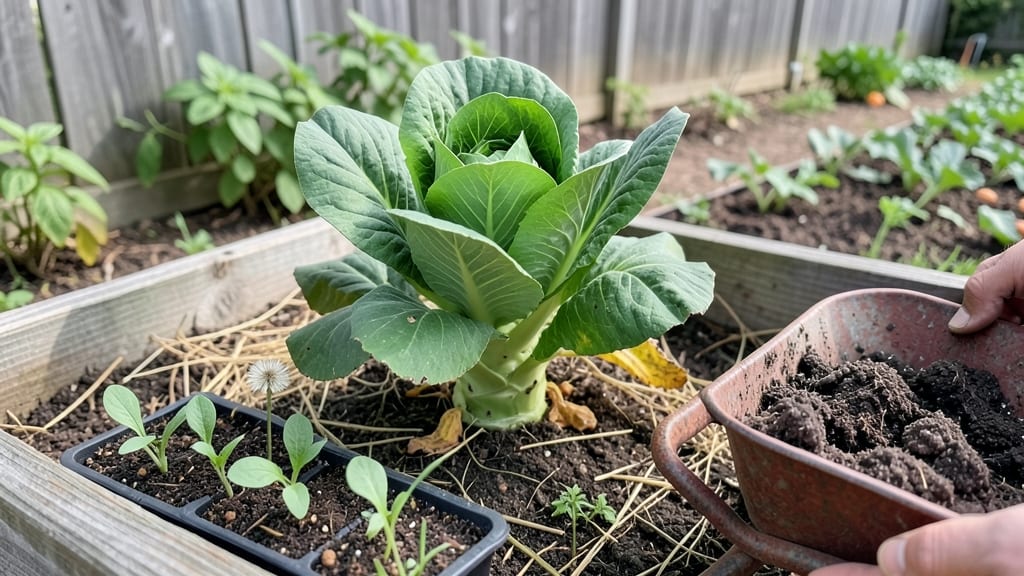
Organic gardening classes turn frustration into confidence—no more guessing what your plants need. 🌱 I remember my first compost pile exploding into a stinky mess, but a single workshop taught me how to balance greens and browns for rich, crumbly soil that actually works.
The difference between a struggling garden and one that thrives often comes down to knowing the right techniques.
These hands-on lessons cover everything from soil fertility basics to natural pest control without chemicals. You’ll learn how to read plant health, troubleshoot common issues, and even save seeds from your best performers.
Most classes include practical demos—like building a no-till bed or identifying beneficial insects—so you leave with skills, not just theory. The tools you’ll need are simple: a shovel, compost bin, and maybe a pair of pruners, but the knowledge transforms your approach.
By the end, you’ll be diagnosing plant problems like a pro and growing vegetables that taste like summer. The real magic? Watching your garden become a self-sustaining ecosystem where pests stay away and harvests keep coming. Ready to turn your green thumb from hopeful to heroic?
Whether you’re a beginner or just want to refine your methods, these classes adapt to your space—balcony planters, raised beds, or backyard plots. The best part? You’ll join a community of gardeners who share tips, swap seeds, and celebrate successes together. Let’s get those plants thriving organically!
📚 In This Guide
- What you need
- Instructions
- Tips and common mistakes
- Wrapping up and next steps
What you need
- ● Basic Gardening Tools: 1 stainless steel trowel (for planting and transplanting)
- ● 1 garden fork (for aerating soil and loosening roots)
- ● 1 pair of pruning shears (bypass type, sharp and durable)
- ● 1 pair of gardening gloves (breathable, preferably organic cotton)
- ● Soil & Compost: 5-gallon bucket of organic compost (or worm castings for potted plants)
- ● 1 bag of organic potting mix (for containers or seed starting)
- ● 1 roll of landscape fabric (to suppress weeds, 3’ x 50’)
- ● Watering Supplies: 1 watering can (2-3 gallon capacity) or a hose with a gentle spray nozzle
- ○ 1 moisture meter (optional but helpful for precision)
- ● Safety Gear: Sunscreen (SPF 30+) and a wide-brimmed hat
- ● Closed-toe shoes or boots (no sandals—trust us!)
- ● Seedling trays with domes (for starting plants indoors)
- ● Organic mulch (straw or wood chips to retain moisture)
- ● Knee pad or small stool (for comfort during long sessions)
- ● Notebook and pencil (to track planting dates and progress)
- ● Reusable spray bottle (for seedling care or organic pesticides like neem oil)
How to choose and get the most from organic gardening classes
Here’s how to select the right hands-on course for your gardening goals—and maximize every lesson.
🌱 Step 1: Identify Your Gardening Level and Goals
Start by assessing your current skill level and what you want to achieve. Are you a complete beginner eager to learn soil basics, or an experienced gardener looking to refine organic pest control? Many classes cater to specific niches—like container gardening, permaculture, or seed saving—so choose one aligned with your objectives.
I always recommend starting with a beginner-friendly workshop if you’re new, as they cover foundational principles like composting, companion planting, and organic fertilizers. These classes often include hands-on demonstrations where you’ll mix your own compost or transplant seedlings—experiences that build confidence quickly. If you’re already growing but want to go deeper, look for advanced modules on topics like mycorrhizal inoculants or biointensive farming techniques.
🌿 Step 2: Research Instructor Credentials and Class Structure
Not all gardening classes are equal—some instructors are hobbyists, while others hold certifications from organizations like the Organic Materials Review Institute (OMRI) or have degrees in horticulture. Check their background to ensure they’re teaching science-backed methods, not just personal anecdotes.
Pay close attention to the class structure. The best organic gardening courses blend theory and hands-on practice, often including field trips to working organic farms or greenhouse demonstrations. For example, a well-designed class might spend the morning learning about soil microbiology in a classroom, then head to a garden bed to practice amending soil with the materials you’ve just studied. Look for sessions that include take-home resources, like seed starting kits or organic pest control spray recipes, to reinforce what you’ve learned.
☀️ Step 3: Evaluate Hands-On Components and Takeaways
The most valuable classes prioritize tactile learning—where you’re actively engaged in the process. For instance, a class on organic pest management should include time to inspect plants for common issues, mix your own neem oil spray, or set up beneficial insect habitats. These practical elements ensure you’re not just listening but doing, which is how skills stick.
Ask what materials or tools you’ll receive or create during the class. Will you leave with a custom compost tea recipe, a seed-saving guide, or a plant health checklist? The best courses provide actionable takeaways, like a soil test kit or a seasonal planting calendar tailored to your region. These tools help you apply what you’ve learned immediately, rather than forgetting the details after the class ends.
✂️ Step 4: Check for Community and Follow-Up Support
A great organic gardening class doesn’t end when the session does—it connects you to a support network. Look for courses that offer alumni groups, online forums, or follow-up workshops. These communities let you troubleshoot challenges, share successes, and stay motivated long after the class concludes.
Some programs even include seasonal check-ins or access to a mentor for questions. For example, if you take a class on organic vegetable gardening in spring, a follow-up in summer might cover troubleshooting common pests or adjusting watering techniques. This ongoing support ensures you’re not left guessing when problems arise in your garden. If a class doesn’t offer this, ask if they have recommended resources or local gardening clubs to join.
⏰ Step 5: Plan for Long-Term Application and Certification
If your goal is to certify your garden as organic (like through the USDA Organic Program) or become a certified organic gardener, choose a class that prepares you for these standards. Some workshops include workshops on record-keeping, inspection readiness, or organic certification pathways—critical steps if you’re aiming to sell produce or teach others.
Even if certification isn’t your goal, focus on classes that teach sustainable, long-term practices. For example, a course on regenerative gardening might cover techniques like no-till farming or cover cropping, which build soil health over years. These methods ensure your garden thrives not just this season, but for seasons to come. Always ask: Will this class give me the tools to keep growing organically long after the last lesson?
Tips & tricks for maximizing your organic gardening class experience
Here's what I wish I'd known before investing in my first organic gardening class—these insider tips will help you get the most out of every lesson and apply what you learn long after the last shovel hits the dirt.
Certification Counts: If your goal is USDA Organic certification, prioritize classes taught by instructors with OMRI certification or those affiliated with certified organic farms. I learned this the hard way after taking a class that sounded great but didn't cover the record-keeping requirements I needed for my home garden certification. Always ask about their experience with inspection readiness—this is non-negotiable if you're serious about certification.
Hands-On is Non-Negotiable: In Step 3, when evaluating classes, look for those that include at least 50% tactile learning time. The best classes I've taken spent more time in the garden than in the classroom. For example, one workshop had us spend three hours mixing compost tea and testing soil pH—skills I've used dozens of times since. If a class promises "hands-on" but only shows videos, keep looking. Your hands need to remember, not just your ears.
Take-Home Resources Make All the Difference: The classes that stick with me most provided physical takeaways—whether it was a custom seasonal planting calendar for my region or a plant health checklist I still reference every spring. In Step 3, ask specifically what materials you'll receive. A class that gives you a soil test kit or neem oil spray recipe to take home is worth its weight in compost.
Follow-Up Support is Where Real Learning Happens: The best organic gardening education doesn't end when the class does. In Step 4, seek programs that offer seasonal check-ins or access to mentors. One class I took included a summer follow-up where we troubleshot common pests—something I wouldn't have known to ask about otherwise. If a program doesn't offer this, ask if they have recommended local gardening clubs or online forums you can join.
Pro Tips for Organic Gardening Classes
- Here's what I wish I'd known before investing in my first organic gardening class—these insider tips will help you get the most out of every lesson and apply what you learn long after the last shovel hits the dirt.
- Certification Counts: If your goal is USDA Organic certification, prioritize classes taught by instructors with OMRI certification or those affiliated with certified organic farms.
- Hands-On is Non-Negotiable: In Step 3, when evaluating classes, look for those that include at least 50% tactile learning time.
Frequently asked questions
Got questions about diving into organic gardening classes? You’re not alone! Here are some of the most common queries—and straightforward answers—to help you get started with confidence.
What’s the best time of year to take organic gardening classes?
Most classes run year-round, but timing depends on your goals. Spring and early summer are ideal for hands-on learning about planting, soil prep, and seasonal crops. Fall classes often focus on soil enrichment, winter prep, and indoor growing. Check local community gardens or online schedules for seasonal workshops!
Are organic gardening classes expensive? What’s included in the cost?
Costs vary widely—some classes are free (offered by extension offices or nonprofits), while hands-on workshops or certification programs can range from $50–$300. Typical inclusions: materials (seeds, soil amendments), tools for demos, expert guidance, and sometimes a starter kit. Pro tip: Look for scholarships or group discounts!
Do I need prior gardening experience to join a class?
Absolutely not! Organic gardening classes are designed for all levels, from beginners to seasoned green thumbs. Many start with basics like soil health, composting, and pest control before diving into advanced techniques. Bonus: You’ll leave with practical skills—no prior knowledge required!
How do I troubleshoot common issues (like pests or poor growth) in an organic way?
Classes often cover organic solutions like companion planting, neem oil sprays, and beneficial insects (e.g., ladybugs for aphids). Many instructors provide troubleshooting guides or demo problem-solving in real time. Quick fix: Start a “pest journal” to track issues and solutions!
Can I take organic gardening classes online, or do I need in-person training?
Both options exist! Online classes offer flexibility (videos, webinars, forums) and are great for theory. In-person workshops provide hands-on experience with soil, plants, and tools. Hybrid courses (online + local meetups) are also popular. Check platforms like Master Gardener programs or Udemy for virtual options.
How long does it take to see results from organic gardening?
Results vary by plant and conditions, but you’ll often see noticeable growth in 4–8 weeks with proper care. Leafy greens (like lettuce) sprout quickly, while root veggies (carrots, potatoes) take 2–3 months. Patience pays off: Organic methods build soil health over time, leading to long-term thriving plants!
Wrapping up and next steps
Embarking on an organic gardening journey is more than just planting seeds—it’s about nurturing a healthier planet, one leaf at a time. 🌱 Whether you're a beginner or looking to refine your green thumb, organic gardening classes offer the perfect blend of hands-on learning and expert guidance to help your garden thrive.
The key takeaway? Patience, practice, and passion are your best tools, and every expert was once a student.
Ready to grow? Start by enrolling in a local class or exploring online workshops to dive deeper into sustainable techniques. Your garden—and the environment—will thank you! 🌿