Pruning
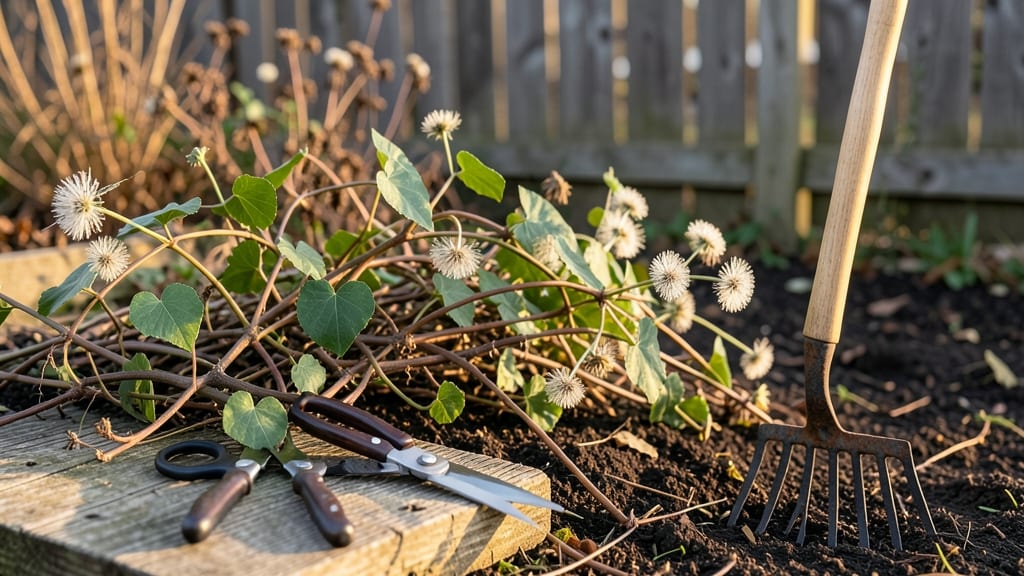
October garden plant pruning isn't just cleanup—it's the secret to next year's showstopper blooms. ✨ I learned this the hard way when my hydrangeas flopped after a rushed autumn trim, but now I time every snip to protect plants from winter stress while prepping them for spring's comeback.
The key is knowing which plants need attention now. Perennials like coneflowers and black-eyed Susans can take a light haircut to remove dead growth, while shrubs like lilacs and roses need a more strategic approach to avoid frost damage.
You'll need sharp pruners, rubbing alcohol for sterilizing cuts, and a clear day with temperatures above 40°F—no half-measures here.
What you'll get is plants that wake up stronger in spring, with fewer dead branches and more energy for blooming. The right cuts now mean fewer surprises later, and that first flush of new growth in May becomes something to brag about.
Plus, you'll save yourself hours of cleanup next autumn when the garden's already tidy.
Works for everything from ornamental grasses to fruit trees, though exact timing varies by zone. Northern gardeners should wait until after the first frost, while Southerners can prune earlier. Here's how to do it right without guessing.
📚 In This Guide
- What you need
- Instructions
- Tips and common mistakes
- Wrapping up and next steps
What you need
- ● Pruning shears: Sharp, bypass-style shears (for clean cuts on stems under ½ inch thick). Quantity: 1 pair.
- ● Loppers: Heavy-duty bypass loppers (for thicker branches, ½ to 1½ inches). Quantity: 1 pair.
- ● Pruning saw: Curved-tooth saw (for branches over 1½ inches). Quantity: 1.
- ● Gloves: Sturdy, cut-resistant gardening gloves (protect hands from thorns and debris). Quantity: 1 pair.
- ● Disinfectant: 70% isopropyl alcohol or bleach solution (1 part bleach to 9 parts water) to sterilize tools between cuts. Quantity: Small spray bottle or container.
- ○ Pruning sealant: Optional but helpful for larger cuts (e.g., tree wounds) to prevent disease. Quantity: Small tube.
- ● Garden twine or tape: For marking branches to remove later. Quantity: Small roll.
- ● Trash bags or compost bin: For collecting pruned debris. Quantity: As needed.
- ● Notebook & pen: To jot down notes on plant health or pruning plans. Quantity: 1.
- ● Ladder or step stool: For reaching higher branches safely. Quantity: 1 (if needed).
- ● Check the weather forecast—prune on a dry, overcast day to avoid stressing plants.
- ● Gather plant-specific knowledge (research which perennials, shrubs, or trees need pruning in October).
- ● Have a clean workspace (hose down tools and area afterward to prevent disease spread).
Instructions for late-season pruning to boost next year’s garden
Here’s how to clean up your garden now for stronger, healthier blooms come spring.
🌿 Step 1: Identify What Needs Pruning (And What Doesn’t)
Start by surveying your garden for plants that need attention. Perennials like coneflowers, black-eyed Susans, and daylilies should be cut back to 2-3 inches above the ground, but avoid heavy pruning on late-season bloomers like chrysanthemums or asters—they need those flowers to set seeds for next year.
Remove any dead, diseased, or pest-infested branches immediately. You’ll know a branch is dead if it’s brittle, lacks leaves, and snaps easily when bent. For woody shrubs like roses or hydrangeas, prune out any crossing branches or those growing inward to improve airflow and reduce disease risk.
✂️ Step 2: Use the Right Tools and Technique
Grab your clean, sharp pruning shears and loppers—dull tools crush stems, stressing plants and inviting infections. Cut just above a bud or outward-facing leaf at a 45-degree angle to encourage water runoff. For larger branches, use loppers and make the cut ⅛ inch above a bud to avoid leaving a stub.
Disinfect your tools between cuts with rubbing alcohol to prevent spreading disease. If you’re pruning late-blooming perennials, hold off on heavy cuts until after the first hard frost—this gives them time to store energy for next season.
🌱 Step 3: Clean Up Debris and Mulch
Rake up all the cuttings and fallen leaves from the base of plants. Pile them in a compost bin or bag—never leave them on the soil, as they can harbor pests and diseases over winter. If you’re dealing with diseased plants, bag the debris and toss it in the trash, not the compost.
Spread a 2-3 inch layer of mulch around the base of perennials and shrubs, keeping it 3-4 inches away from the stem to prevent rot. Mulch insulates roots, protects against temperature swings, and suppresses weeds—just don’t pile it too high or it’ll smother the plant.
☀️ Step 4: Protect Tender Plants for Winter
Wrap young or tender plants like roses, hydrangeas, or newly planted perennials with burlap or frost cloth to shield them from harsh winds and freezing temperatures. Secure the covering loosely so it doesn’t restrict growth, and remove it during the day if temperatures rise above 40°F.
For evergreens, gently brush off any dust or spider webs that could block sunlight. If you’re in a region with heavy snowfall, shake snow off branches occasionally to prevent breakage. This is also the time to check for winter damage—look for brown, crispy leaves or branches and prune them out in early spring.
⏰ Step 5: Plan for Next Season’s Growth
Take a few minutes to sketch out your garden layout for next year. Note which plants thrived, which struggled, and where you’ll add new varieties. Prune back overgrown perennials now so you can see their natural shape and decide if they need dividing in early spring.
Fertilize lightly with a balanced, slow-release fertilizer if your soil is nutrient-poor. Avoid heavy feeding now—it encourages tender new growth that won’t survive winter. Instead, focus on giving your plants a strong foundation for the dormant season ahead.
Tips & tricks for perfect October garden pruning
Here's what I've learned from years of late-season pruning that'll help your garden thrive next year.
Timing is Everything: The key to late-season pruning is knowing when to stop. For most perennials, aim to finish pruning by early November before the ground freezes. However, if you're dealing with late bloomers like chrysanthemums, wait until after their first hard frost—usually when temperatures consistently drop below 40°F. This timing gives plants time to store energy for spring growth without encouraging tender new growth that won't survive winter.
Tool Technique: When making cuts in Step 2, focus on clean cuts just above a bud or outward-facing leaf at that 45-degree angle. This isn't just about appearance—it's about plant health. The angle helps water runoff away from the cut, reducing rot risk. For larger branches, remember the ⅛ inch rule above the bud. I've seen many gardeners leave stubs that become entry points for diseases. If you're unsure where the bud is, look for the small bump on the stem that indicates new growth potential.
Mulch Matters: That 2-3 inch layer of mulch in Step 3 isn't just decorative—it's insulation for your plants' roots. Organic mulches like shredded bark or straw work best. I like to add a thin layer of pine needles on top for extra winter protection in colder climates. Just remember to keep it 3-4 inches away from stems to prevent rot. Pro tip: If you're in a region with heavy snowfall, add an extra inch of mulch to protect against temperature swings that can damage roots.
Winter Protection Strategy: When wrapping tender plants in Step 4, think of it like dressing for winter—loose is better than tight. Frost cloth should breathe while still providing protection. I've found that using small stakes to hold the covering slightly off the plant prevents moisture buildup that can lead to mold. And remember that 40°F threshold—if daytime temperatures rise above that, remove the covering to let your plants enjoy some warmth without overheating.
Pro Tips for October Garden Plant Pruning
- Here's what I've learned from years of late-season pruning that'll help your garden thrive next year.
- Timing is Everything: The key to late-season pruning is knowing when to stop.
- Tool Technique: When making cuts in Step 2, focus on clean cuts just above a bud or outward-facing leaf at that 45-degree angle.
Frequently asked questions
Got questions about late-season pruning? You’re not alone! Here are some of the most common concerns—and their straightforward solutions—to help you tackle October garden pruning like a pro.
When is the exact best time to prune in October?
Prune after the first hard frost (typically mid-to-late October, depending on your zone) but before winter dormancy sets in. For perennials like coneflowers or black-eyed Susans, aim for 4–6 weeks before the ground freezes. Evergreens (like boxwoods) can wait until early winter—just avoid pruning in extreme cold or wet conditions.
What if I miss October pruning—can I still do it in November?
For most plants, yes! Light pruning (removing dead or diseased branches) can happen in late fall, but avoid heavy cuts. Evergreens and spring-blooming shrubs (like lilacs) should not be pruned after November—they’ll lose next year’s flowers. Focus on cleanup instead: rake fallen leaves and remove spent blooms to reduce pests.
Do I need special tools for October pruning?
Not necessarily! Basic tools like bypass pruners (for small stems), loppers (for thicker branches), and gloves are all you need. For large shrubs, a saw or hedge shears may help. Sterilize tools with rubbing alcohol between cuts to prevent disease spread—especially important in fall when fungi thrive.
Will pruning now affect next year’s flowers?
It depends! Spring-bloomers (like peonies or forsythia) should not be pruned until after they flower. But summer/fall bloomers (e.g., roses, mums) benefit from late-season pruning to encourage new growth and remove spent stems. Always research your specific plant—some need a hard cutback, while others just need light shaping.
What if my plant looks sad after pruning?
Don’t panic! A healthy plant will have green stems and buds, while dead wood is brown and brittle. If your plant looks too bare, you may have over-pruned. Next time, cut back only 1/3 of the plant’s height and focus on removing crossing branches or diseased foliage. Water deeply after pruning to help recovery.
Wrapping up and next steps
Pruning in October isn’t just about tidying up—it’s your garden’s secret to next year’s vibrant blooms! By following the right techniques, you’ll encourage healthier growth, reduce pests, and set the stage for a stunning spring revival. 🌿✨
Ready to give your garden a head start? Grab your pruners, review your notes, and schedule a weekend session—your future flowers will thank you! For extra inspiration, check out seasonal pruning guides or join a local gardening group to share tips.