Tools
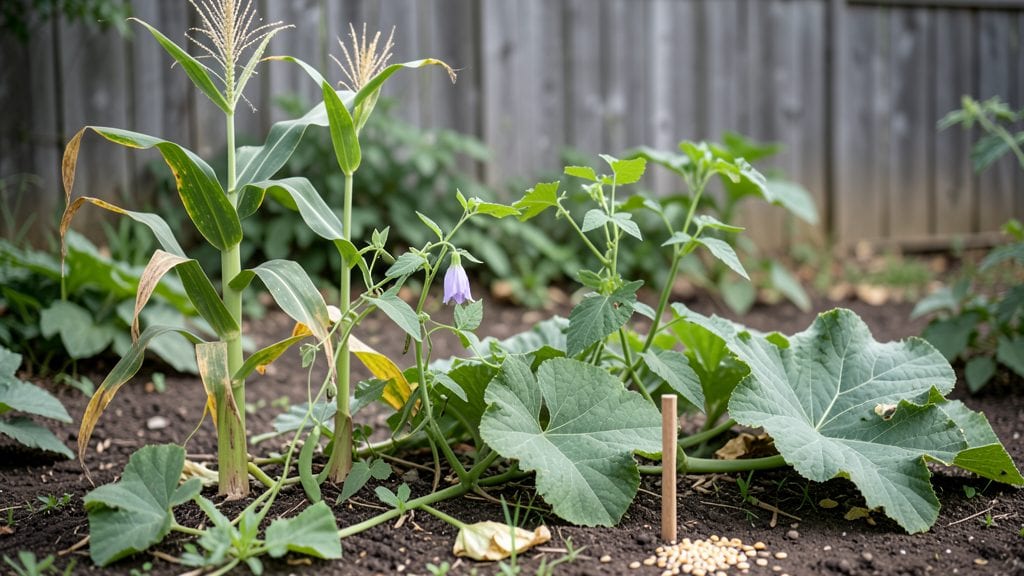
Native American gardening isn't just about growing plants—it's about weaving life into the land with purpose. 🌱 My first Three Sisters garden taught me how corn, beans, and squash don't just grow together; they sustain each other, just like communities have for centuries.
The real magic lies in the balance: every plant plays a role, from nitrogen-fixing beans to shade-providing squash vines.
You don't need a vast plot to begin—even a small backyard can hold a microcosm of these traditions. Start with heirloom seeds (they're often more resilient than hybrids) and mimic natural ecosystems by planting in mounds or hills, just as Native gardeners did.
The key is observing what thrives in your climate while honoring the plants' natural relationships. Many medicinal herbs like echinacea or yarrow fit seamlessly into these designs too.
What you'll create is more than a garden—it's a living connection to centuries of wisdom. Imagine harvesting corn so sweet it tastes like summer, beans that climb effortlessly, and squash that stores through winter.
The soil stays rich, pests stay away, and every bite carries the weight of tradition. This isn't just gardening; it's stewardship with visible results.
Modern adaptations let you blend these principles with contemporary needs—raised beds for urban spaces, companion planting for pest control, and even indoor growing for medicinal herbs. The framework is timeless; the details adapt to your life. Let's get those seeds in the ground the right way.
📚 In This Guide
- What you need
- Instructions
- Tips and common mistakes
- Wrapping up and next steps
What you need
- ● Native Seeds: Prioritize heirloom or regionally adapted seeds like corn (maize), beans, squash, sunflowers, tobacco, or echinacea. Aim for 1–2 lbs per crop (adjust based on garden size).
- ● Organic Soil Amendments: Compost (5–10 gallons per 100 sq ft) – Use traditional methods like leaf mold or animal manure (aged 6+ months).
- ● Wood Ash (sparingly!) – 1–2 cups per 100 sq ft for potassium (test soil first—alkaline soils may react poorly).
- ○ Crushed Eggshells (optional) – 1 cup per plant for calcium and pest deterrence.
- ● Natural Mulch: Straw or Hay (2–3 inches thick) – Preserves moisture and suppresses weeds.
- ● Leaves or Pine Needles – Free, local, and great for acid-loving plants.
- ● Hand Tools: Copper or Bone Hand Trowel – Traditional and rust-resistant ($15–$30).
- ● Stone or Wooden Hoe – For weeding without disturbing roots.
- ● Deer Antler or Willow Pruners – Sustainable and sharp ($20–$40).
- ● Watering: Clay or Wooden Watering Can – 5-gallon capacity for gentle, deep watering.
- ○ Drip Irrigation Kit (optional) – $30–$80 for efficiency.
- ○ Optional Extras: Smudge Stick Kit – White sage, cedar, or sweetgrass ($10–$25) for ceremonial blessings.
- ● Woven Baskets or Clay Pots – For transplanting or harvesting.
- ● Journal & Charcoal – To record plant cycles and lunar phases.
- ● Land Permission: Respect Indigenous land stewardship—ask permission if gardening on tribal or sacred land.
- ● Moon Phase Awareness: Plant seeds during the waxing moon for growth; harvest during the waning moon.
- ● Local Knowledge: Connect with Native seed keepers or elders in your region for guidance.
- ● Sustainable Water Source: Rain barrels or natural springs are ideal—avoid plastic containers.
Step-by-Step instructions for designing a Native American-inspired garden
Create a garden that honors tradition while thriving sustainably—here's how to blend sacred plants with modern gardening wisdom.
🌱 Step 1: Select Plants with Cultural Significance and Ecological Value
Begin by choosing plants native to your region that hold meaning in Native American traditions. Three Sisters gardens—corn, beans, and squash—are a classic example, but adapt based on your climate. I focus on plants like echinacea (purple coneflower) for medicinal use, monarda (bee balm) for pollinators, and solidago (goldenrod) for its resilience and beauty. These plants support local ecosystems while connecting to ancestral knowledge.
Research local tribal traditions to identify plants sacred to your area. For instance, tobacco holds spiritual significance in many cultures, while milkweed supports monarch butterflies and aligns with ecological harmony. Avoid invasive species—opt for those that thrive without disrupting native ecosystems. You'll see these plants flourish with minimal intervention once established.
🪴 Step 2: Design the Garden Layout with Sacred Geometry and Function
Native American gardens often follow circular or spiral designs to symbolize unity and growth. Use a central feature like a sacred fire pit or medicine wheel marker as your focal point, surrounded by concentric rings of plants. I divide my garden into four quadrants—each representing a direction (north, south, east, west)—to honor traditional teachings. Place taller plants like sunflowers or coneflowers in the center and shorter ground covers like wild bergamot around the edges.
Incorporate pathways made of gravel or crushed stone to allow easy access while keeping soil undisturbed. Add natural elements like river rocks or driftwood to create boundaries and focal points. This layout not only honors tradition but also promotes biodiversity by mimicking natural ecosystems. You'll notice pollinators and beneficial insects thriving in this structured yet organic design.
☀️ Step 3: Prepare the Soil with Natural Amendments
Native American gardening emphasizes soil health without synthetic chemicals. Start by removing weeds and loosening the soil to a depth of 6-8 inches using a broadfork or digging stick. I blend composted leaves and aged manure into the top 4 inches of soil to improve fertility naturally. Avoid tilling, as it disrupts soil structure and beneficial microbes. Instead, use a no-till approach to preserve the soil's natural balance.
Add a layer of mulch—such as straw or wood chips—to retain moisture and suppress weeds. This mimics the forest floor, where fallen leaves and organic matter slowly decompose to nourish the soil. Water deeply after amending to help the amendments integrate. Over time, you'll see richer soil that supports strong, healthy plants with minimal effort.
💧 Step 4: Plant with Intention and Seasonal Timing
Plant seeds or transplants according to traditional lunar cycles or seasonal markers, such as the first full moon after the spring equinox. I start with corn first, followed by beans and squash, as their growth habits complement each other. Corn provides structure for beans to climb, while squash spreads along the ground, shading the soil to retain moisture. This interplanting mirrors the Three Sisters method and reduces the need for pesticides.
Space plants according to their mature size—corn should be 12 inches apart, beans 4-6 inches apart, and squash 3-4 feet apart. Water deeply at planting to settle the soil and encourage root growth. Avoid overhead watering to prevent fungal diseases. You'll see the plants establish quickly and thrive with minimal intervention, much like they would in a natural setting.
✂️ Step 5: Maintain with Sustainable Practices and Ritual
Native American gardening emphasizes sustainability, so I prioritize hand-weeding and natural pest control. Use a sharp hoe or digging stick to remove weeds before they compete with your plants. Encourage beneficial insects like ladybugs and praying mantises by planting native wildflowers around the garden's perimeter. These insects naturally control pests like aphids and caterpillars.
Harvest plants as needed, but leave some seeds to reseed naturally. This ensures the garden perpetuates itself year after year. Incorporate rituals into your gardening, such as offering tobacco or singing to the plants during planting or harvesting. These practices not only honor tradition but also foster a deeper connection to the land. You'll feel the garden's energy grow alongside your plants, creating a truly harmonious space.
Tips & tricks for perfect Native American garden design
Creating a garden that honors tradition while thriving sustainably takes thoughtful planning—here are the key insights I've learned from years of blending ancestral wisdom with modern gardening.
Sacred Plant Selection: When choosing plants like echinacea or milkweed, verify their native status to your region first. I always cross-reference with local tribal knowledge—some plants sacred to one nation may not thrive in another climate. For example, solidago (goldenrod) grows beautifully in my zone but would struggle in arid Southwest regions. Start with just 3-5 signature plants to avoid overwhelming your first season while still creating meaningful connections to tradition.
Geometric Layout Secrets: The circular or spiral designs in Step 2 aren't just aesthetic—they create microclimates within your garden. I've found that placing taller plants like sunflowers in the center actually increases wind protection for shorter varieties around the edges. For the four-directional quadrant approach, mark your compass directions with natural elements first (like a prominent tree or rock) before planting—this ensures your layout stays true to traditional teachings while working with your land's natural features.
Soil Preparation Shortcuts: That 6-8 inch soil loosening in Step 3 might seem labor-intensive, but I've discovered a game-changer: use a broadfork to create "soil pockets" rather than turning the entire bed. This preserves soil structure while still improving drainage. For the composted leaves and aged manure, I recommend layering them in 1-inch increments rather than mixing all at once—this prevents nutrient overload and gives microbes time to activate gradually. The key is patience; let these amendments integrate for at least 2 weeks before planting.
Seasonal Timing Precision: The lunar planting reference in Step 4 is powerful, but here's what nobody tells you: the first full moon after spring equinox works beautifully for most regions, but in northern climates, I often wait for the second full moon to ensure soil warmth. For the Three Sisters planting sequence, I've found that staggering the corn by 3 days, beans by 5 days, and squash by 7 days creates an even more resilient ecosystem—this gives each plant time to establish before their companions arrive.
Pro Tips for Native American Gardening
- Creating a garden that honors tradition while thriving sustainably takes thoughtful planning—here are the key insights I've learned from years of blending ancestral wisdom with modern gardening.
- Sacred Plant Selection: When choosing plants like echinacea or milkweed, verify their native status to your region first.
- Geometric Layout Secrets: The circular or spiral designs in Step 2 aren't just aesthetic—they create microclimates within your garden.
Frequently asked questions
What are the easiest Native American plants to grow for beginners?
Start with hardy, low-maintenance plants like Three Sisters (corn, beans, squash), which thrive together. Echinacea (coneflower) and Milkweed are also great—drought-resistant and pollinator-friendly. These plants require minimal care and align with traditional gardening principles.
When is the best time to plant a Native American garden?
Most Native plants prefer spring planting after the last frost (check your USDA zone). However, seeds like sunflowers or beans can be direct-sown in late spring. For perennials (e.g., Elderberry), early spring or fall works best. Always align planting with local rainfall patterns—many Native plants thrive with natural water cycles.
Can I grow a Native American garden in containers or small spaces?
Opt for compact varieties like Three Sisters (dwarf corn, bush beans) or herbs (sage, lavender). Use raised beds or large pots (12"+ depth) for root crops like Jerusalem artichokes. Just ensure containers have drainage—many Native plants dislike soggy roots.
How do I deal with pests naturally in a Native garden?
Native plants are often pest-resistant, but aphids or squash bugs may appear. Use neem oil, companion planting (e.g., marigolds with corn), or handpick pests. Avoid chemicals—traditional methods like smudging (burning sage) can also deter insects while honoring cultural practices.
Are there modern tools that still respect Native gardening ethics?
Yes! Use hand tools (copper pruners, bone-handled hoes) for a traditional touch, or opt for ergonomic, sustainable tools made from recycled metals. Avoid plastic—many Native traditions emphasize biodegradable or repurposed materials. Solar-powered watering systems also align with eco-conscious gardening.
Wrapping up and next steps
Native American gardening isn’t just about growing plants—it’s a living connection to tradition, sustainability, and the Earth. By embracing sacred plants, permaculture principles, and cultural wisdom, you’re not only creating a thriving garden but also honoring centuries of Indigenous knowledge. 🌱
Ready to take the next step? Start small—whether it’s planting a single Three Sisters trio, researching local tribal gardening practices, or sharing your journey with others. Your garden can be a beacon of harmony, one seed at a time.