Tools
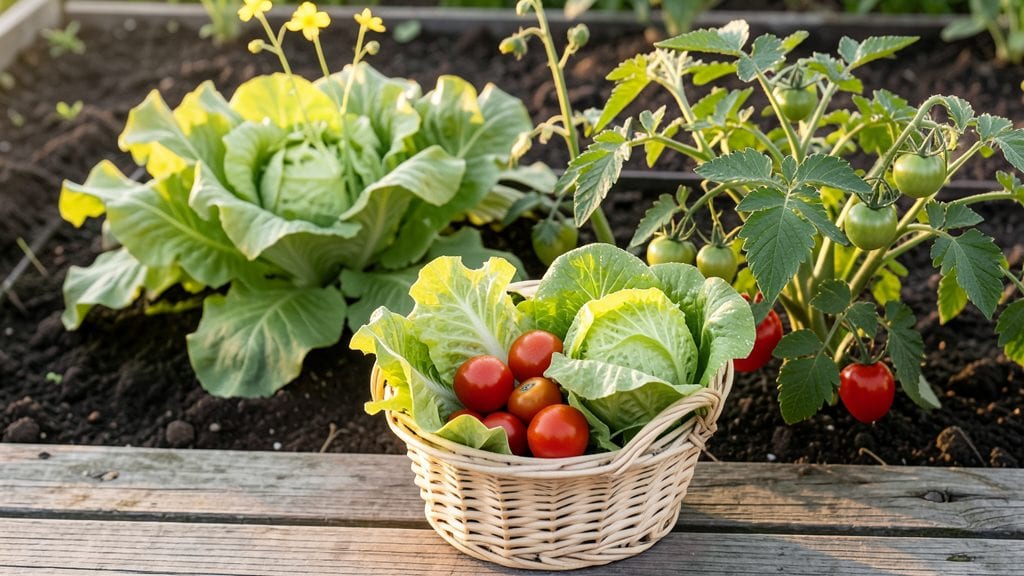
Market gardening climate thrives in USDA Zones 5-9, where consistent growing seasons and moderate temperatures enable high-yield crops. Microclimates—like sun-exposed walls or shaded beds—can extend growing periods in cooler zones, while greenhouses and row covers help in colder regions. Soil warmth and humidity control also play critical roles in maximizing productivity year-round.
The best market gardening climate isn't just about your hardiness zone—it's about working with the microenvironments around you. 🌱 For example, a north-facing wall can create a cooler microclimate perfect for heat-sensitive greens like lettuce, while a black plastic mulch on raised beds warms soil faster for early spring plantings.
I've seen gardeners in Zone 6 extend their tomato season by 4-6 weeks using simple row covers, proving that smart climate manipulation often matters more than raw zone numbers.
What truly sets successful market gardens apart is their ability to fine-tune these conditions.
Whether you're battling Pacific Northwest humidity or Southern heat stress, understanding how to modify your growing space—through shade cloths, windbreaks, or even reflective mulches—can mean the difference between a 50% yield and a 200% yield.
The key is observing your garden's natural patterns and intervening at the right moments.
💡 In This Article
- USDA Zones for Market Gardening Success
- Microclimate Strategies for Year-Round Harvests
USDA Zones for market gardening success
Market gardening thrives most effectively in USDA Zones 5-9, where the balance of temperature, frost-free days, and seasonal consistency creates ideal conditions for high-value crops.
Zone 5 (hardiness -20°F to -10°F) offers shorter growing seasons but can support cold-hardy crops like kale and potatoes, while Zone 9 (20°F to 30°F) allows year-round production of heat-lovers such as okra and sweet potatoes.
The key difference between these zones lies in their frost-free periods—Zone 5 typically has 120-150 days, while Zone 9 can exceed 270 days, dramatically extending harvest windows.
Leafy greens like spinach and lettuce thrive in cooler zones (5-7) with soil temperatures between 45°F and 65°F, while root vegetables such as carrots and beets prefer 50°F to 75°F soil. Tomatoes, however, demand 70°F minimum soil temperatures and 150+ frost-free days, making them ideal for Zones 6-9.
The science behind this lies in photosynthesis efficiency—warmer temperatures accelerate metabolic processes in plants, but excessive heat (>90°F) can cause protein denaturation in sensitive crops like peas, reducing yields by up to 40%.
Regional climate challenges further complicate zone-based planning. In the Pacific Northwest, persistent humidity creates ideal conditions for fungal diseases, requiring spaced plantings and air circulation to prevent losses.
Meanwhile, Southern heat stress (common in Zones 8-9) demands shade cloths and mulches to maintain soil moisture—without these, tomato yields can drop by 30% during summer peaks. The solution?
Matching crop varieties to microclimates within your zone, such as planting heat-tolerant 'Solar Fire' tomatoes in Zone 8 instead of traditional varieties.
Here's how to adjust planting schedules by zone: Zone 5 gardeners should prioritize early spring crops (peas, radishes) and fall plantings (kale, garlic), while Zone 9 growers can stagger plantings every 6-8 weeks for continuous harvests.
The 10°F rule applies here—each zone represents roughly 10°F of winter low-temperature difference, which directly impacts crop selection. For example, broccoli (Zone 3-9) can bolt in Zone 9's heat, while Swiss chard (Zone 2-11) thrives in both extremes.
Advanced growers use degree-day models to predict growth stages—calculating heat accumulation helps determine when to plant heat-sensitive crops like cucumbers. A 1,000-degree-day accumulation (measured from 50°F baseline) typically signals ideal transplanting time for tomatoes in Zone 6.
This precision allows gardeners to extend seasons by 3-4 weeks compared to traditional planting charts, maximizing marketable yields.
What most people overlook is how soil temperature (not air temperature) dictates early-season planting. A 4-inch soil thermometer reveals when to sow seeds—cool-season crops need 40°F+ soil, while warm-season crops require 60°F+.
In Zone 7, this might mean waiting 2-3 weeks longer for tomatoes than Zone 8, despite similar air temperatures. The payoff? 20% higher germination rates when planting at optimal soil temps.