Vegetables
A Bell community garden thrives when you begin with land approval, organize dedicated volunteers, and thoughtfully design plots for a variety of produce while fostering neighborly connections and eco-friendly methods. Thoughtful preparation lays the foundation for lasting community involvement and garden success.
A Bell community garden isn't just about growing vegetables—it's about building connections and creating a green space that benefits everyone. 🌱 The first challenge is finding suitable land, whether through partnerships with local schools, churches, or city programs.
Once you've secured the space, the real work begins: organizing volunteers with different skills (from soil prep to fundraising) and designing plots that accommodate both beginner and experienced gardeners.
I've seen the most successful gardens in Bell start with clear communication and shared goals, which keeps morale high even when pests or weather throw curveballs.
What sets these gardens apart is their focus on sustainability. 💫 Many Bell community gardens use rainwater collection systems, mulch to retain moisture, and natural pest deterrents like companion planting. For example, pairing tomatoes with basil not only improves flavor but also deters common pests.
The key is to involve gardeners in these decisions—when people feel ownership over sustainable practices, they're far more likely to stick with them long-term.
💡 In This Article
- Key Steps to Launch a Successful Community Garden
- Sustainable Practices for Long-Term Bell Garden Health
Key steps to launch a successful community garden
First, identify available land through partnerships with local schools, churches, or city programs. In Bell, many gardens start with 1,000-5,000 square feet of space, which can accommodate 20-50 plots depending on size.
Rural areas often have more options for larger plots, while urban gardens may need to work with rooftops or vacant lots. The key factor is accessibility—plots should be within 0.5 miles of participants to encourage regular visits.
Legal considerations are critical. Check local zoning laws, which may require permits for water use or composting systems. Some cities, like Bell, offer grants for community gardens through programs like the Los Angeles County Urban Agriculture Incentive Program.
This provides up to $5,000 for soil testing, irrigation, and toolkits. Document everything—land leases, volunteer agreements, and safety protocols—to protect your group legally and financially. 💫
Designing plots for diversity is where creativity comes in. Use a grid system with 4'x8' plots for individual gardeners, allowing room for 3-5 different crops per season. Include raised beds for accessibility and companion planting zones to maximize space.
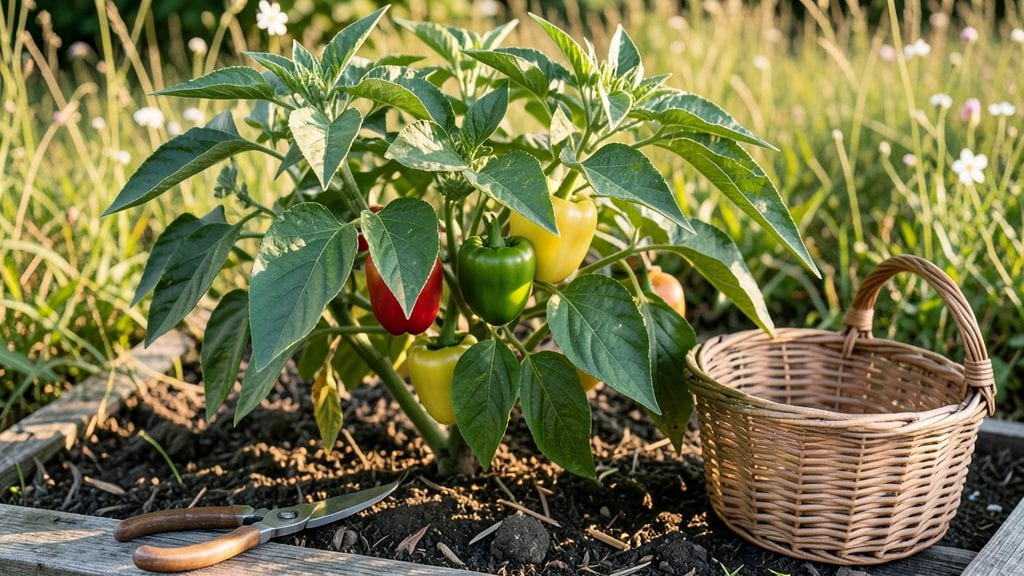
For example, place bell peppers near onions to deter pests while improving flavor. In Bell's climate, focus on heat-tolerant varieties like 'Carmen' bell peppers, which thrive in temperatures up to 95°F.
Volunteer coordination requires clear roles. Assign a lead organizer for logistics, a fundraising chair, and a workday coordinator to manage shifts. Use free tools like Google Sheets to track volunteer hours and plot assignments.
Transparency builds trust—post weekly updates on progress and challenges. I've seen gardens in Bell double their participation by hosting potluck workdays, where everyone contributes food and labor, fostering a sense of community.
Initial planting strategies should align with Bell's USDA Zone 10a climate. Start with fast-growing crops like lettuce and radishes in early spring, followed by heat-lovers such as tomatoes and peppers by late April. Use drip irrigation systems to conserve water—Bell's dry summers can waste 30% more water without efficient systems.
Mulch with straw or wood chips to retain moisture and suppress weeds, reducing maintenance time by 40%.
Don't overlook the power of storytelling. Share success stories—like the time a Bell garden donated 2,000 pounds of produce to a local food bank—or challenges (e.g., "We lost 15% of our crop to squash bugs but learned to use neem oil").
These narratives keep volunteers engaged and attract new members. The most resilient gardens are those where people feel connected to both the land and each other. 🌱