Planting
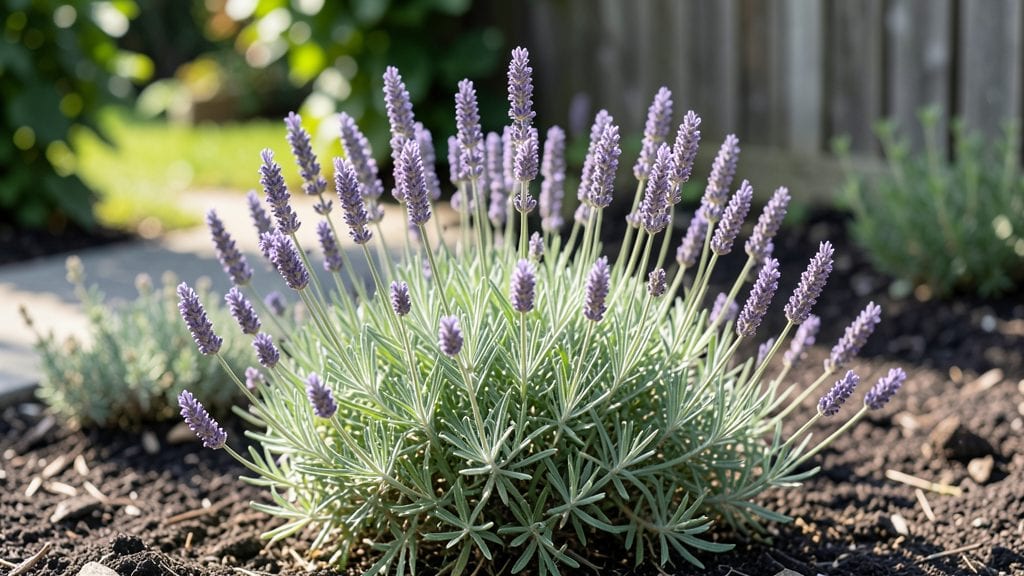
Home-sown gardens transform blank spaces into living tapestries of color and texture—all from seeds you've nurtured yourself. 🌱 I remember the first time I walked through my cottage-style garden, knowing every snapdragon and zinnia had started as a tiny seed in my kitchen window.
The difference between store-bought plants and home-grown ones isn't just cost; it's the quiet pride of watching something grow from nothing.
The magic happens in layers: start with easy annuals like marigolds and cosmos for instant color, then add perennials like lavender and coneflowers for structure. Successional planting keeps the garden blooming from spring through frost, while low-maintenance ground covers like creeping thyme fill gaps between bigger plants.
Even in small spaces, you can create depth with tiered containers or vertical gardens using home-grown climbers like morning glories or nasturtiums.
By mid-summer, your garden becomes a living calendar—each bloom marking the passage of seasons. The scent of home-grown roses in June, the golden glow of black-eyed Susans in August, and the fiery reds of home-sown kale in fall create a sensory experience no nursery plant can match.
The best part? These gardens keep giving year after year with minimal effort once established.
Whether you're working with a sunny border, a shady corner, or just a few containers, home-sown gardens adapt beautifully. The key is starting small—maybe one raised bed or a single window box—and letting the plants guide you.
Before you know it, you'll have a garden that tells the story of your growing journey, one seed at a time.
📚 In This Guide
- What you need
- Instructions
- Tips and common mistakes
- Wrapping up and next steps
What you need
- ● Seeds: Choose low-maintenance varieties like blank">succulents (e.g., Echeveria, Sedum), blank">lavender, blank">rosemary, blank">moss (e.g., Irish Moss), or blank">ornamental grasses (e.g., Fountain Grass). Start with 5–10 seed packets (or 20–50 seeds per variety).
- ● Potting Mix: 1–2 bags (1–2 cubic feet each) of well-draining mix (e.g., cactus/succulent blend or peat-free potting soil). Avoid heavy garden soil.
- ● Containers: Small pots (4–6 inches wide) for succulents/herbs (5–10 units).
- ● Medium pots (8–12 inches wide) for shrubs/grasses (2–4 units).
- ○ Window boxes or raised beds (optional, for larger setups).
- ● Drainage: 1–2 bags of perlite, pumice, or coarse sand (1 part to 3 parts soil) to prevent root rot.
- ● Trowel or small shovel (for planting).
- ● Spray bottle (for gentle watering).
- ● Gloves (to protect your hands).
- ● Measuring cup or ruler (for soil depth/spacing).
- ● Pruners or scissors (for trimming).
- ○ pH testing kit (optional, to check soil acidity).
- ● Sunlight assessment: Identify 3–6 hours of daily sun (or shade for moss/ferns). Use a blank">sunlight tracker app if unsure.
- ● Watering schedule: Commit to weekly deep watering (or drip irrigation for larger gardens).
- ● Space: Ensure containers fit your chosen spot (e.g., balcony, patio, or windowsill).
- ● Patience: Some plants (like succulents) grow slowly—embrace the journey! 🌱
- ● Start small! Begin with 3–5 plants to test your setup before expanding.
- ● Label seeds with toothpicks and markers to track varieties.
- ● Repurpose containers (clean yogurt cups, tin cans) for budget-friendly planting.
- ● Group plants by water needs to simplify care (e.g., succulents together, herbs together).
How to design low-maintenance home sown gardens for year-round appeal
Here's the straightforward approach I use to create gardens that stay beautiful with minimal effort.
🌱 Step 1: Select the Right Low-Maintenance Plant Combos
Focus on perennial plants that thrive in your hardiness zone and self-seeding annuals that resow naturally. I group plants by sunlight needs: shade-tolerant ferns and hostas, sun-loving lavender and sedum, and moisture-loving asters and coneflowers. Each group stays vibrant without constant attention.
For year-round color, mix evergreen shrubs like boxwood or juniper with seasonal bloomers like hellebores for winter and black-eyed Susans for summer. This ensures something's always in bloom or providing texture. I avoid fussy plants like impatiens—they wilt at the slightest neglect.
☀️ Step 2: Plan for Sunlight and Soil First
Map your garden's sunlight exposure in 2-hour blocks—note where you get full sun, partial shade, and deep shade. Most low-maintenance plants thrive in at least 6 hours of sun, but some like heuchera and coral bells do well with 4 hours or less. Test your spots for a week to confirm.
Amend your soil with 2-3 inches of compost before planting to improve drainage and fertility. I spread it evenly and work it into the top 6 inches of soil. This single step reduces watering needs and keeps plants healthier longer. Don't skip this—poor soil makes even the hardiest plants struggle.
🪴 Step 3: Space Plants for Long-Term Growth
Check plant tags for mature size and space them accordingly. Crowding leads to competition for water and nutrients, forcing you to intervene. For example, perennial salvia needs 2 feet between plants, while Russian sage can stretch to 4 feet wide—give it room to breathe.
Group plants with similar water needs together. Drought-tolerant plants like sedum and yarrow go in one section, while moisture-lovers like astilbe and ligularia get another. This way, you can water zones efficiently without over- or under-watering any plant. I mark zones with small stakes to avoid confusion.
✂️ Step 4: Mulch and Water Strategically
Apply 3 inches of mulch (I use shredded bark or pine needles) to suppress weeds and retain moisture. Replenish it annually in early spring before weeds take over. This single layer keeps soil temperatures stable and reduces watering by 30-50%. Just don't pile it against plant stems—keep it 2 inches away to prevent rot.
Water deeply once a week (or twice in extreme heat) rather than daily shallow watering. Aim for 1 inch of water per week, including rainfall. You'll know you've done enough when water drains 6 inches deep into the soil. Overwatering is the #1 killer of low-maintenance gardens—don't drown your plants.
🌿 Step 5: Prune and Maintain Seasonally
Cut back dead or diseased foliage in early spring before new growth starts. For perennials, I remove last year's stems at the base, but leave seed heads on plants like coneflowers—birds love them, and they add winter interest. Avoid heavy pruning in fall, as it stresses plants before dormancy.
Fertilize once in early spring with a slow-release granular fertilizer (I use 10-10-10). This feeds plants all season without the hassle of monthly applications. Skip fertilizing in fall—plants need to prepare for winter, not grow new leaves. A light mulch layer is all they need.
Tips & tricks for perfect low-maintenance home sown gardens
Here's what I've learned after years of creating gardens that practically take care of themselves—once you set them up right.
The Plant Selection Payoff: In Step 1, when you're choosing perennials and self-seeding annuals, pay special attention to their second-year performance. Many plants look great the first year but fizzle out afterward. For example, Russian sage might be small in its first year but becomes a showstopper in years two and three. This upfront investment saves you from replanting every season.
Sunlight Mapping Shortcut: For Step 2's sunlight mapping, use your phone's compass app to track sun movement throughout the day. Stand in each potential planting spot and observe how sunlight shifts every 2 hours. This simple trick helps you visualize how shadows will change over time, which is crucial for positioning sun-loving plants like sedum versus shade-tolerant hostas.
Soil Prep Secret: When amending your soil with 2-3 inches of compost in Step 2, mix in a handful of worm castings too. They're packed with beneficial microbes that help plants absorb nutrients more efficiently. This extra step might seem minor, but it makes a noticeable difference in how quickly your garden establishes itself—especially for moisture-lovers like ligularia that need rich soil.
Mulch Maintenance Hack: In Step 4, when you're applying that 3 inches of mulch, save some to create "mulch volcanoes" around new plantings. Pile the mulch higher (about 4 inches deep) in a cone shape around the base of each plant, then let it settle naturally. This creates a protective microclimate that retains moisture better during the critical first few weeks after planting. Just remember to flatten it out once it settles.
Pro Tips for Home Sown Gardens
- Here's what I've learned after years of creating gardens that practically take care of themselves—once you set them up right.
- The Plant Selection Payoff: In Step 1, when you're choosing perennials and self-seeding annuals, pay special attention to their second-year performance.
- Sunlight Mapping Shortcut: For Step 2's sunlight mapping, use your phone's compass app to track sun movement throughout the day.
Frequently asked questions
Got questions about creating a stunning, low-maintenance home-sown garden? You’re not alone—many gardeners want to enjoy year-round beauty without the hassle. Here are answers to the most common queries to help you get started with confidence!
What are the easiest plants to start from seed for beginners?
Start with resilient, fast-growing seeds like sunflowers, marigolds, or basil. These thrive in most climates, forgive occasional neglect, and bloom quickly—perfect for building confidence. Herbs like parsley and dill are also forgiving and great for kitchen gardens!
How long does it take to see results in a home-sown garden?
Results vary by plant! Fast growers like radishes or lettuce sprout in 2–3 weeks, while perennials (e.g., lavender) may take 6–12 months to fully establish. Plan ahead: mix quick wins (annuals) with long-term investments (perennials) for continuous color.
How often should I water newly sown seeds?
Keep soil consistently moist (not soggy!) until seeds germinate—typically 2–3 times daily in hot weather. Use a spray bottle for delicate seeds or a drip system for larger areas. Once sprouted, reduce to 1–2 times daily, focusing on the roots. Mulch helps retain moisture!
Can I grow a low-maintenance garden in containers or small spaces?
Opt for compact perennials (e.g., dwarf lavender), herbs in pots, or trailing vines like nasturtiums. Choose self-watering containers and group plants with similar needs (sun/shade). Even a balcony or windowsill can host a thriving mini-garden with the right picks!
What’s the best way to deal with pests without chemicals?
Prevention is key! Use row covers for young plants, introduce beneficial insects (like ladybugs), or spray neem oil as a natural deterrent. Companion planting (e.g., marigolds near veggies) also confuses pests. Handpick larger critters early to avoid infestations.
How do I extend my garden’s season in cold climates?
Layer mulch (straw or leaves) to insulate roots, choose cold-hardy perennials (e.g., heuchera or sedum), and use season extenders like cold frames or cloches. Evergreens (e.g., boxwood) add structure year-round, while winter pansies bloom in chill!
Wrapping up and next steps
A home-sown garden isn’t just a dream—it’s a rewarding reality filled with year-round beauty and minimal fuss! 🌿 By choosing the right low-maintenance plants, you’ve taken the first step toward creating a thriving, vibrant space that brings joy without the stress.
Whether you’re a seasoned gardener or just starting, your effort will pay off in lush greenery, fragrant blooms, and a serene retreat.
Ready to see your vision bloom? Start small—plant a few favorites, observe what thrives, and let your garden grow with confidence! 🌱 Happy sowing!