Companion Plants
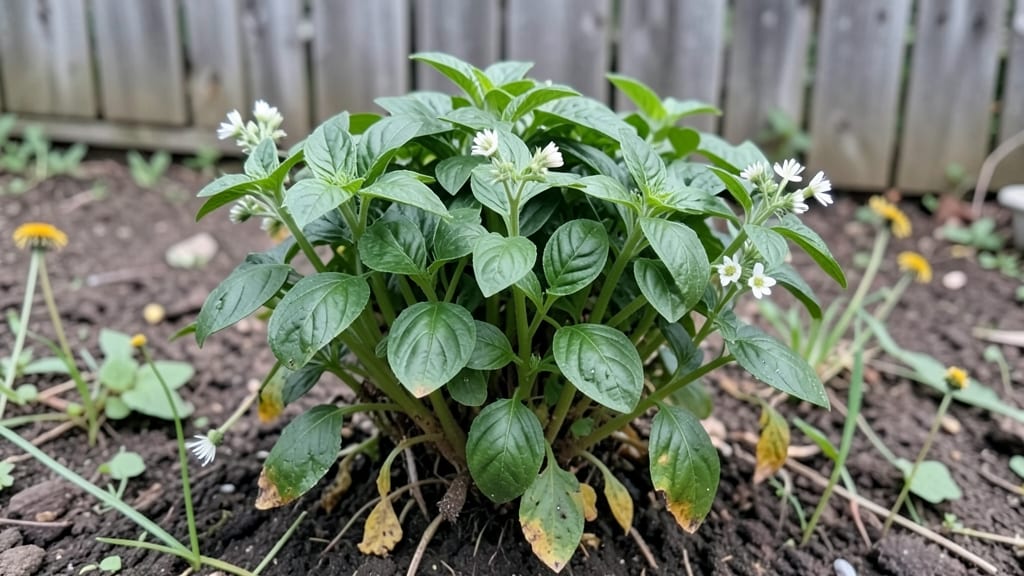
Growing basil plants from seed to harvest is where gardening gets personal—there’s nothing like the first whiff of fresh leaves straight from your own plot. 🌿 I’ve grown basil for years, and the difference between store-bought and homegrown is like night and day: bright, sweet, and packed with flavor that lasts.
The key isn’t just sunlight and water—it’s understanding how basil wants to grow, from its first tender sprouts to the day you pinch off those perfect leaves for pasta.
Basil thrives in full sun, but it’s surprisingly adaptable—whether you’re growing it in a sunny kitchen window, a balcony container, or a raised bed. The soil needs to drain well (no soggy roots!) and stay consistently moist, not soaked.
Most people overwater, which leads to yellow leaves and floppy stems—don’t be that gardener. With the right setup, you’ll see those glossy green leaves in as little as 4-6 weeks from seed, and the plants will keep producing all season if you prune them right.
Here’s the magic: when you prune basil correctly, you’re not just shaping the plant—you’re encouraging it to branch out and grow bushier, which means more leaves for you. And the best part?
Basil’s pest-resistant—aphids and whiteflies rarely bother it, so you won’t spend your summer battling bugs. By midsummer, you’ll have enough basil to share with neighbors (and maybe even freeze some for winter).
The secret to keeping basil happy all season is knowing when to harvest and when to let it rest—like giving it a mid-summer break if it starts to bolt. Indoor growers can extend the season even longer with grow lights.
Whether you’re a beginner or a seasoned gardener, basil is the herb that proves you don’t need a green thumb—just a little patience and the right conditions.
📚 In This Guide
- What you need
- Instructions
- Tips and common mistakes
- Wrapping up and next steps
What you need
- ● Basil plants: 6–10 healthy basil seedlings (Genovese, Sweet, or Thai basil work great!) or
- ● Seeds (sow 3–4 seeds per pot or 12–18" apart in the ground)
- ● Containers or garden bed: 5–6" deep pots (with drainage holes) or
- ● Well-draining soil in raised beds or in-ground plots (pH 6.0–7.0)
- ● Potting mix: 1–2 bags of lightweight, organic potting soil (avoid garden soil—it’s too dense!)
- ● Watering can or hose: With a gentle spray nozzle for even moisture
- ● Fertilizer: Balanced liquid fertilizer (10-10-10) or
- ● Slow-release organic fertilizer (like fish emulsion)
- ● Pruning shears: Sharp, clean pair for harvesting and shaping
- ● Mulch (straw or shredded leaves) to retain moisture
- ● Plant markers (to label your basil varieties)
- ● Grow lights (if indoors, 6–8 hours of bright light daily)
- ● Companion plants (like tomatoes or peppers—basil loves them!)
- ● Support stakes (if growing large varieties like Thai basil)
Step-by-step instructions for growing thriving basil plants
Here's my foolproof method for growing basil that stays lush, flavorful, and productive all season long.
🌱 Step 1: Choose the Perfect Spot and Prepare the Soil
Basil craves 6-8 hours of direct sunlight daily, so pick a location that gets morning sun and afternoon shade in hot climates. If you're growing in containers, place them where they'll get the most light—often a sunny patio or windowsill. I always test the spot first by observing how long sunlight lingers in the area.
Loosen the soil to a depth of 12 inches to encourage root spread. If you're planting in garden beds, mix in 2 inches of compost to enrich the soil—basil loves fertile, well-draining ground. For containers, use a high-quality potting mix and add a handful of perlite to prevent compaction. Avoid heavy clay soil, which holds too much moisture and can rot basil roots.
🌿 Step 2: Plant Basil Seeds or Transplants at the Right Time
Start seeds indoors 6-8 weeks before your last frost date or sow directly in the ground after all danger of frost has passed. If you're using transplants, choose healthy starter plants with vibrant green leaves and no signs of yellowing or wilting. I always look for seedlings with a sturdy stem and at least 4-6 leaves—this means they've already built some strength.
Plant seeds ¼ inch deep and 12-18 inches apart in rows. For transplants, dig a hole twice as wide as the root ball and place the plant so the top of the root ball sits level with the soil surface. Gently firm the soil around the base to remove air pockets, then water deeply to settle everything in place. Mulch with 1-2 inches of straw or shredded leaves to retain moisture and keep roots cool.
💧 Step 3: Water Consistently and Protect from Pests
Basil hates soggy soil, so water when the top inch feels dry to the touch. I usually water in the morning so the leaves have time to dry before evening—this prevents fungal diseases like downy mildew. Water at the base of the plant rather than overhead to keep foliage dry. In containers, check soil moisture daily during hot weather, as pots dry out faster.
Watch for common pests like aphids and spider mites, which love basil's tender leaves. I spray plants with a mix of 1 tablespoon of mild dish soap in 1 quart of water every 7-10 days as a preventive measure. If you notice holes in the leaves or chewed stems, handpick larger pests or introduce beneficial insects like ladybugs to keep the population in check.
✂️ Step 4: Prune and Harvest Regularly for Bushier Growth
Pinch off the top set of leaves when the plant reaches 6 inches tall to encourage branching. This simple step prevents basil from growing leggy and produces a fuller, more productive plant. I always use clean scissors or fingers to avoid damaging the stem. After pinching, water the plant well to help it recover and stimulate new growth.
Harvest leaves regularly by snipping just above a leaf node (where leaves meet the stem). This encourages the plant to grow more leaves and stems. Never take more than ⅓ of the plant at once, or you'll stunt its growth. The best time to harvest is in the morning after the dew has dried but before the sun is at its peak—this preserves flavor and moisture in the leaves.
☀️ Step 5: Protect and Extend the Season as Needed
If frost threatens, cover basil plants with frost cloth or a lightweight blanket to protect them. Basil is an annual, so it won't survive winter outdoors in most climates. However, you can extend the season by bringing potted plants indoors near a sunny window or under grow lights. Reduce watering slightly once indoors, as the plant will grow more slowly in lower light.
To keep basil productive all season, fertilize lightly every 4-6 weeks with a balanced, water-soluble fertilizer. I use half-strength fertilizer to avoid burning the plants. If you notice leaves yellowing between the veins, this is a sign of over-fertilizing—cut back on fertilizer and focus on watering and pruning instead. With proper care, your basil plants will stay vibrant and productive from spring through fall.
Tips & tricks for growing thriving basil plants
Here's what I've learned after growing basil for years—these little tricks make all the difference between healthy plants and sad, leggy stalks.
Sunlight Strategy: Those 6-8 hours of sunlight are non-negotiable, but here's the secret: in hot climates, I actually move my containers to get morning sun and afternoon shade. This prevents leaf scorch while still giving them plenty of light. If you're using containers, rotate them every few days so all sides get even exposure—this prevents lopsided growth.
Soil Prep Secret: When loosening soil to 12 inches deep in Step 1, don't just scratch the surface—really dig down! Basil roots love to spread, and compacted soil will stunt their growth. For containers, I add a handful of perlite to my potting mix, but you can also use coarse sand. This improves drainage and prevents those dreaded root rot issues that kill basil faster than anything else.
Timing Trick for Transplants: If you're using transplants, look for seedlings with at least 4-6 leaves—this tells me they're strong enough to handle transplant shock. Here's my pro move: I water the transplants thoroughly the night before planting. This keeps the roots happy during the move and gives them a head start in their new home. Don't skip this step if you're planting in hot weather!
Pruning Hack: When you pinch off that top set of leaves at 6 inches tall, don't just grab any leaves—look for the largest, healthiest ones at the very top. This encourages the plant to branch out at multiple points rather than growing just one long stem. I also like to harvest a few leaves at the same time I pinch, which gives me fresh basil while still encouraging growth. Just remember: never take more than ⅓ of the plant at once!
Pro Tips for Gardening Basil Plants
- Here's what I've learned after growing basil for years—these little tricks make all the difference between healthy plants and sad, leggy stalks.
- Sunlight Strategy: Those 6-8 hours of sunlight are non-negotiable, but here's the secret: in hot climates, I actually move my containers to get morning sun and afternoon shade.
- Soil Prep Secret: When loosening soil to 12 inches deep in Step 1, don't just scratch the surface—really dig down!
Frequently asked questions
Got questions about growing basil? You’re not alone!
Here are some of the most common concerns—and their easy solutions—to help your herb garden thrive.
How long does it take for basil plants to grow from seed?
With the right conditions, basil seeds typically sprout in 7–14 days and reach harvestable size (6–8 inches tall) in 6–8 weeks. For faster results, opt for transplants—they’ll mature in 4–6 weeks! Keep soil warm (70°F+) and moist for speedy germination.
When is the best time to plant basil outdoors?
Wait until after the last frost when nighttime temps stay above 50°F (10°C). In warm climates, plant in early spring; cooler regions can try late spring to early summer. Basil hates cold—it’ll bolt or wilt if shocked by frost.
Can I grow basil indoors without sunlight?
Basil needs 6–8 hours of light daily, so place it near a south-facing window or use a grow light 6–12 inches away for 12–16 hours/day. Low light = leggy, weak plants. Rotate pots weekly for even growth.
Why are my basil leaves turning yellow or curling?
Yellow leaves often mean overwatering or poor drainage—let soil dry slightly between waterings. Curling could signal pests (aphids, spider mites) or heat stress. Spray with neem oil or move to partial shade if temps exceed 90°F (32°C).
Can I grow basil from grocery store stems?
Yes! Snip a 4–6 inch stem just above a leaf node, remove lower leaves, and place it in water. Change water every 2 days until roots form (1–2 weeks). Then transplant to soil—it’s free and foolproof!
What’s the best companion plant for basil?
Basil loves teaming up with tomatoes, peppers, and oregano—it repels pests like mosquitoes and whiteflies while boosting flavor. Avoid planting near rue or fennel, which stunt its growth.
Wrapping up and next steps
Growing basil is a rewarding journey that brings fresh, fragrant herbs right to your kitchen doorstep! 🌱 Whether you're a beginner or a seasoned gardener, this sun-loving plant thrives with just a little care—rich soil, plenty of sunlight, and consistent watering.
Now that you’re armed with the right knowledge, why not take the next step? Try planting a few basil varieties this season and enjoy the satisfaction of homegrown flavor in your favorite dishes.
💡 Pro Tip: Share your basil with friends or neighbors—it’s the perfect way to spread the joy of gardening! Happy growing! 🌿